Invest In Vinyl 50 Master Sleeves Rice Paper Anti Static LP Inner Sleeves Review (2026)
Updated September 21, 2026 · Research-based review
Our verdict
Invest In Vinyl's 50 pack Master Sleeves use acid-free rice paper sized for a single 12 inch LP, giving collectors an archival upgrade over thin factory paper sleeves. A 50 count pack suits a moderate re-sleeving project rather than a whole large collection, and the anti-static rice paper costs more than plain poly sleeves.
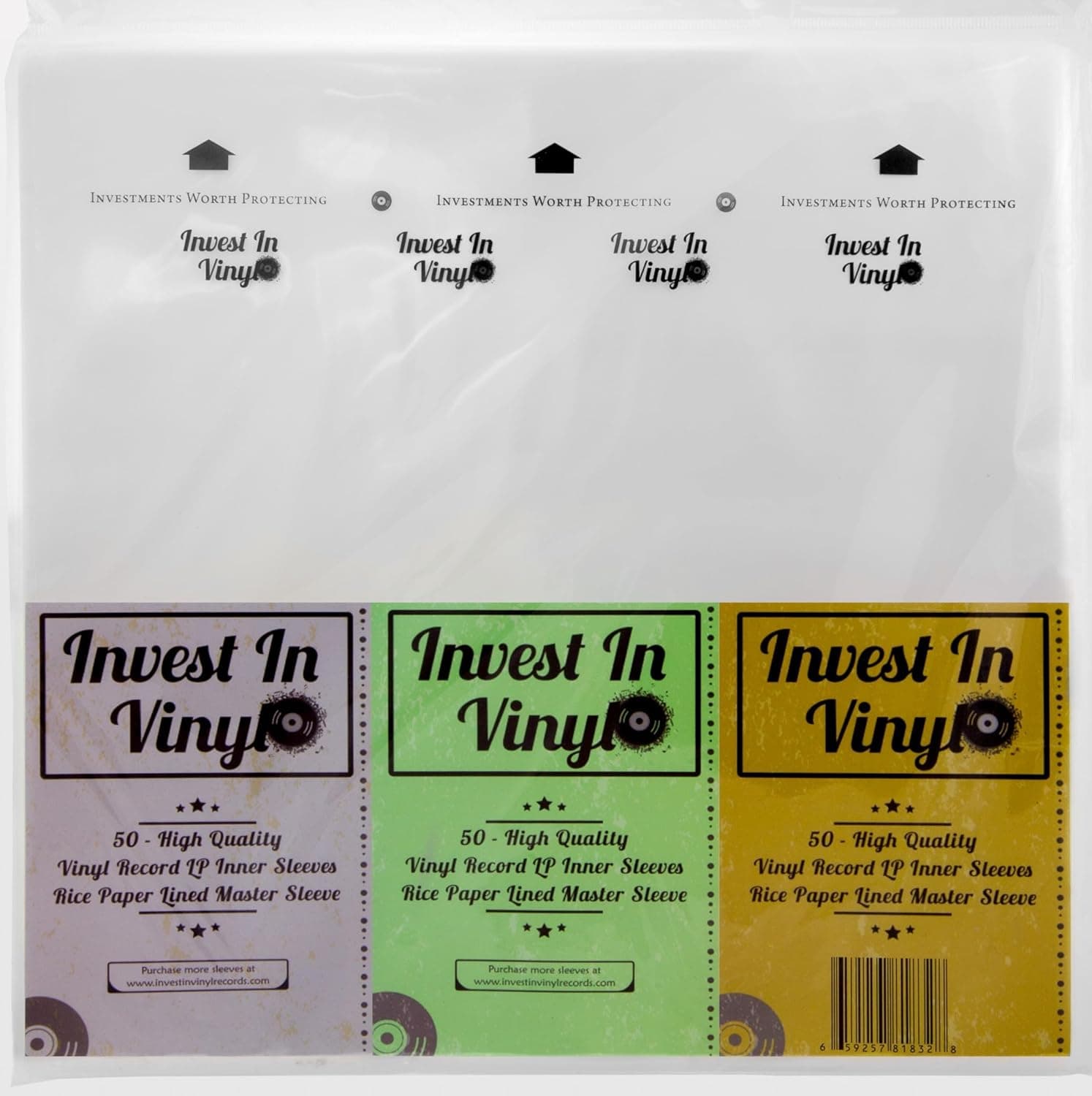
Invest In Vinyl 50 Master Sleeves, rice paper anti-static LP inner sleeves that combine paper structure with a protective liner.
Price range: See on Amazon
What we liked
- + Rice paper style layering protects records while holding its shape
- + Anti-static lining helps keep dust from sticking to vinyl
- + 50 sleeves let you re-sleeve a good share of a collection
Trade-offs
- - Paper-and-liner sleeves cost more than basic poly sleeves
- - Slightly thicker sleeves can be snug in tight album jackets
What this product is
This is a 50 count pack of inner record sleeves from Invest In Vinyl, a brand tied to one of the larger sellers of vintage records in the US and built specifically for protecting 12 inch LPs during storage and handling. Each sleeve uses a rice paper construction the brand markets as anti-static, designed to sit against the vinyl surface and repel the dust and static charge that thinner factory paper sleeves tend to attract over time. The sleeves are cut to fit a single 12 inch record without leaving noticeable excess paper above the record's edge once it is inserted, which the brand positions as a more precise fit than generic universal-size sleeves sold in bulk elsewhere.
Build and materials
Invest In Vinyl markets the sleeve as an acid-free rice paper construction, and the acid-free claim is meant to prevent the slow degradation and label discoloration that acidic paper can cause to a record and its jacket over years of storage. The company describes the sleeve as thicker than standard paper sleeves, which is intended to add durability against tearing or creasing during repeated use compared to thin single-ply paper sleeves. The sleeves are sized specifically for a 33 RPM 12 inch album, so buyers with 7 inch singles or other formats will need a different product, since this pack is not marketed as a universal or multi-format sleeve.
How it performs in daily use
Rice paper sleeves like this one generally provide better protection against static-driven dust buildup than smooth plastic poly sleeves, since the paper's anti-static properties reduce how much airborne dust clings to the vinyl surface between plays. The trade-off collectors typically notice is that a slightly thicker, textured sleeve takes a bit more care to slide in and out of a tight album jacket compared to a thin plastic sleeve, since album jackets are not always cut with extra room to spare. For a collector prioritizing long-term preservation, that small amount of extra handling time is a reasonable trade for the reduced risk of static-attracted dust and the acid-free material's benefit for the record and jacket over years of storage.
Who should buy this
This 50 count pack fits a collector doing a moderate re-sleeving project, such as upgrading the sleeves on a shelf of higher-value or frequently played records rather than an entire large collection at once. It is a good fit for someone who already owns 12 inch LPs and wants an acid-free, anti-static upgrade over whatever thin paper sleeves shipped with their records originally. Anyone re-sleeving a much larger collection may find better per-sleeve value in a bigger pack size if the brand offers one, and anyone storing 7 inch singles or other non-12-inch formats will need a differently sized product entirely, since this pack is built around standard LP dimensions.
Value and trade-offs
At 50 sleeves per pack, this option positions itself for a focused re-sleeving project rather than bulk buying for an entire large library, and the rice paper construction costs more per sleeve than basic poly sleeves sold without any anti-static or acid-free claims. The trade-off is straightforward: paying more up front for material that reduces static-driven dust and avoids the acid degradation risk that cheaper paper sleeves carry over long storage periods. For collectors who value their records enough to be selective about sleeve quality, that additional cost is generally considered worthwhile compared to the alternative of leaving records in factory sleeves that were never designed for long-term archival use.
Frequently asked questions
What size records does this sleeve fit?
It is sized for standard 12 inch, 33 RPM LP albums and is not intended for 7 inch singles or other record formats.
Is this sleeve acid-free?
Yes, Invest In Vinyl markets it as an acid-free rice paper construction meant to avoid the label discoloration and vinyl degradation that acidic paper can cause over time.
How many sleeves come in this pack?
This listing includes 50 sleeves, suited to a moderate re-sleeving project rather than an entire large collection.
Are rice paper sleeves better than plastic poly sleeves?
Rice paper sleeves generally offer better anti-static protection against dust buildup than smooth poly sleeves, though they can be slightly slower to slide in and out of a tight album jacket.
Prices change often, so check the current price and availability on Amazon.
Check price on AmazonTurntable Nest may earn a commission from the link above.