Powered vs Passive Speakers for a Turntable Setup
Published How we research
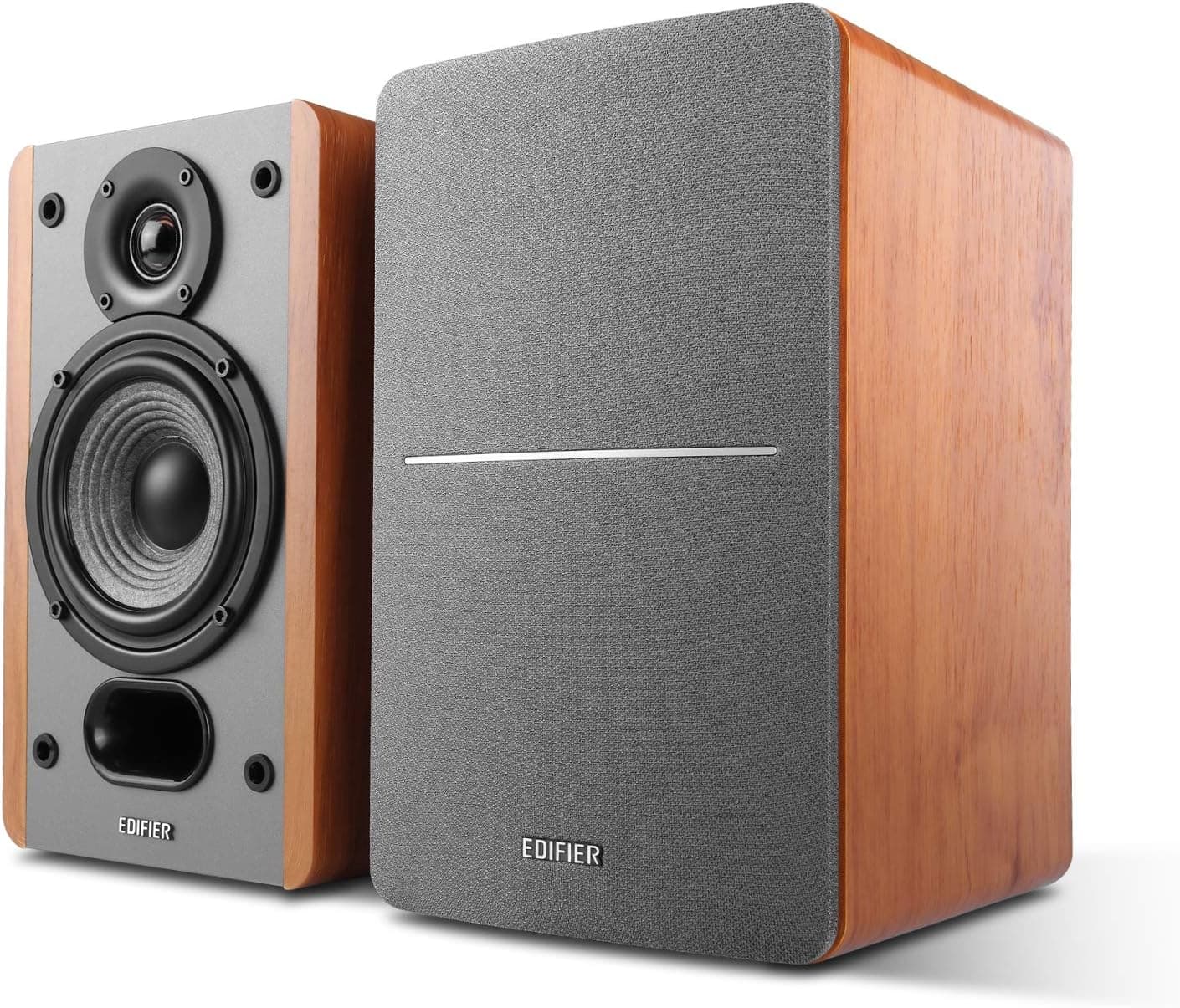
Powered (active) speakers have the amplifier built in, so you skip a separate amp and rack space, and many include the inputs (sometimes a phono stage) a turntable needs; this suits beginners and small spaces. Passive speakers need a separate amplifier, which adds a purchase but unlocks flexibility to upgrade each piece independently and pick from a huge range of gear. Both can sound wonderful with vinyl, so choose the philosophy that fits how you like to live with equipment. When building a turntable system, one early fork in the road is choosing between powered and passive speakers. The difference is simple in principle but has big practical consequences. Powered speakers, sometimes called active speakers, have amplification built in, while passive speakers need a separate amplifier or receiver to drive them. Neither is better in every situation, and the right pick depends on your space, budget, and how much you want to tinker.
Products from this article
The highest-scoring picks from the buying guides this article links to. Scores are our editorial assessment, not customer ratings.
+ G2 update refines the original MB42X's tuning and build
From our guide: Best Passive Speakers for Vinyl (2026)
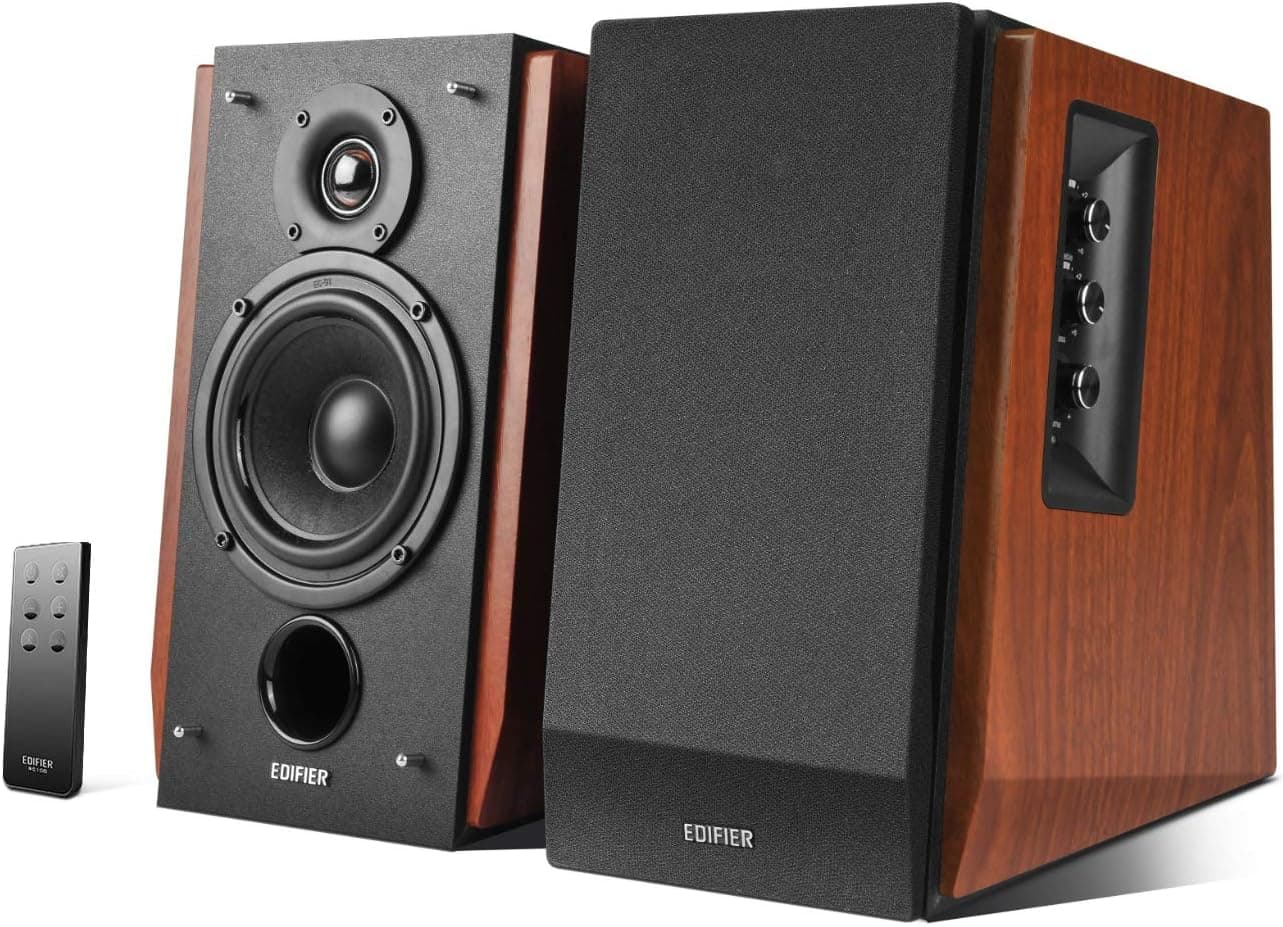
+ 66W RMS gives more room-filling sound than smaller Edifiers
From our guide: Best Powered Bookshelf Speakers for Vinyl (2026)
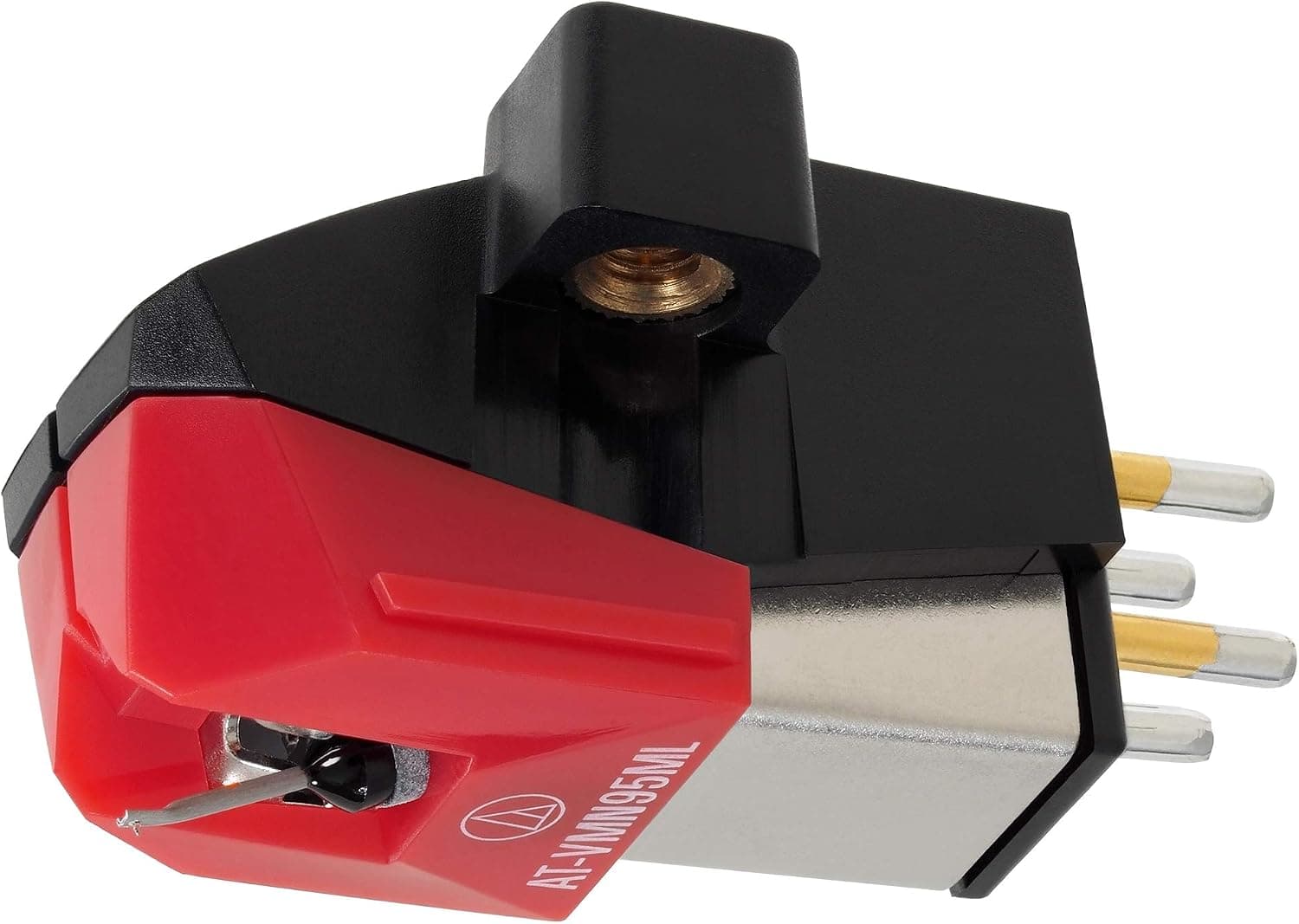
+ MicroLine stylus reaches deep into grooves for detailed, low-distortion playback
From our guide: Best Cartridge Upgrade Kits (2026)
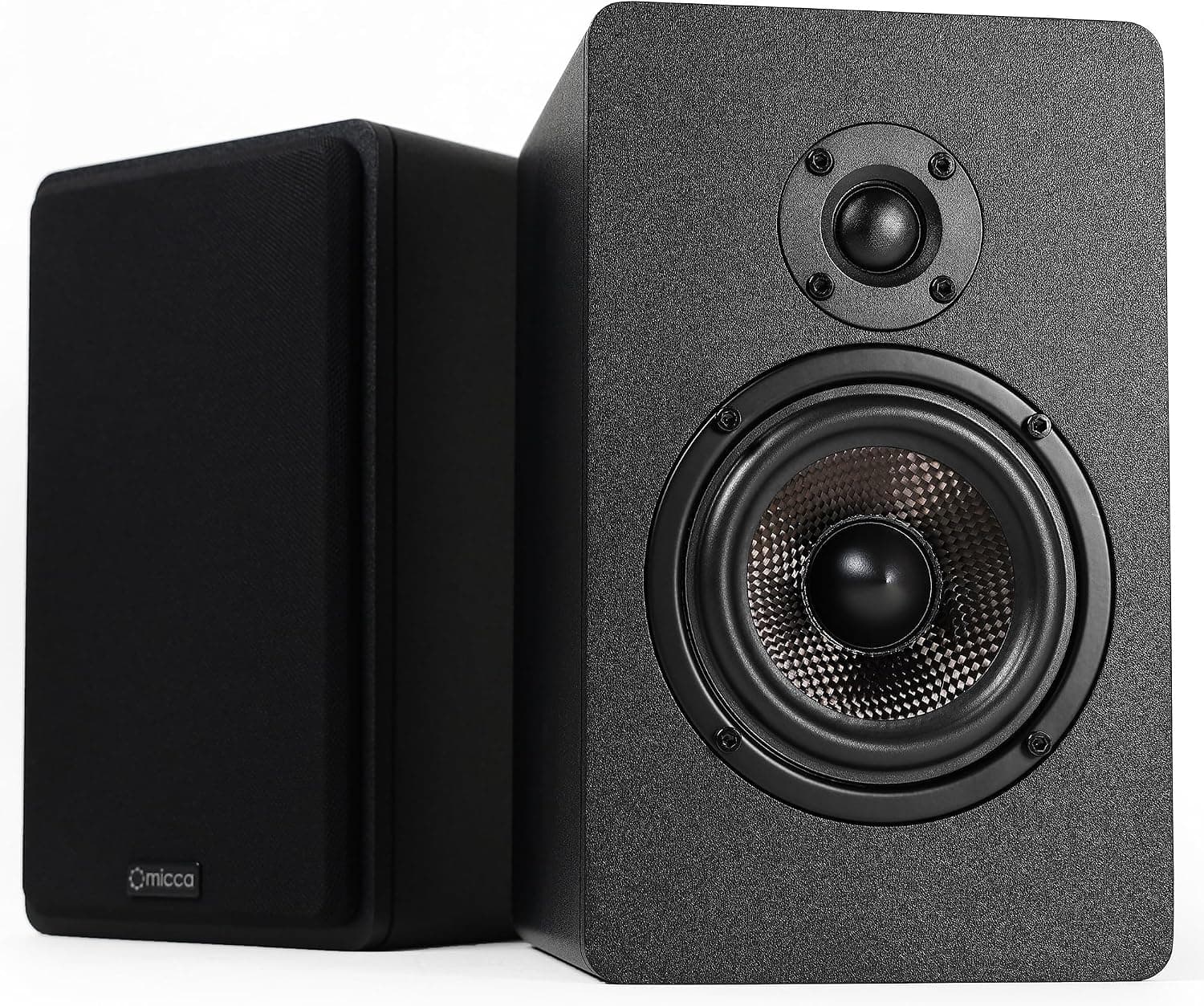
+ 2-way design with a separate tweeter keeps vocals and cymbals clear
From our guide: Best Passive Speakers for Vinyl (2026)
Powered speakers keep things simple and compact
Powered speakers keep things simple and compact. Because the amplifier lives inside the speaker cabinets, you skip buying a separate amp and the rack space it needs. Many powered speakers also include the inputs a turntable setup wants, and some even have a phono stage built in, letting you connect a basic turntable directly. For a beginner or anyone in a small apartment, this all-in-one approach removes a lot of decisions and clutter.
Passive speakers unlock flexibility
Passive speakers take the traditional path, separating the speaker from the amplifier. This adds a component to buy and connect, but it also unlocks flexibility. You can pick an amplifier that suits your speakers and taste, upgrade either piece independently later, and choose from an enormous range of classic and modern gear. Enthusiasts often prefer this route precisely because it lets them tune and evolve the system over time rather than being locked into one box.
How the cost really compares
Cost comparisons depend on where you look. A good pair of powered speakers can be excellent value once you account for the amplifier you did not have to buy. On the other hand, the used market for passive speakers and amplifiers is deep, and patient shoppers can assemble a strong system affordably. Think in terms of total cost, including any preamp or phono stage each option requires, rather than the speaker price alone.
Deciding based on how you like to live with gear
Decide based on how you like to live with gear. If you want a clean, simple setup that works out of the box and fits a tight space, powered speakers are a smart, satisfying choice. If you enjoy mixing and matching components, plan to upgrade in stages, or want access to the vast world of separate amplifiers, passive speakers reward that curiosity. Both can sound wonderful with vinyl, so choose the philosophy that fits your life.
Frequently asked questions
What is the difference between powered and passive speakers? Powered (active) speakers have amplification built into the cabinets; passive speakers need a separate amplifier or receiver to drive them.
Are powered speakers good for a turntable? Yes, especially for beginners and small apartments. Many include the inputs a turntable setup wants, and some have a phono stage built in so you can connect a basic turntable directly.
Which is cheaper, powered or passive speakers? It depends. Powered speakers are good value once you account for the amp you did not buy; the used market for passive speakers and amps is deep for patient shoppers. Compare total system cost including any phono stage.
Should an enthusiast choose passive speakers? Often, yes. Separates let you tune and evolve the system over time, upgrade either piece independently, and choose from an enormous range of classic and modern amplifiers.
At a glance: Powered speakers vs Passive speakers
| Powered speakers | Passive speakers | |
|---|---|---|
| Amplifier | Built in | Separate amp or receiver |
| Phono stage | Built in on some models | In the amp, deck or separate |
| Space | Fewer boxes | More components |
| Upgrades | Replace the whole speaker | Upgrade amp or speakers separately |
| Cost to start | Lower | Higher |
| Long-term sound ceiling | Limited by built-in amp | Higher with good components |
Choose Powered speakers if
- You want a simple, compact system
- You are starting out
- Your turntable has a built-in preamp
Choose Passive speakers if
- You want to upgrade over time
- You already own an amp or receiver
- You want the most sound for a larger room
Bottom line: Powered speakers are the easiest way to get great vinyl sound quickly. Passive speakers with an amplifier are the better path if you want a system you can grow.
Popular right now
- How to Ground a Turntable and Eliminate HumArticle
- How to Align a Phono Cartridge for Accurate TrackingArticle
- RIAA equalization explainedGlossary
- Setting Tracking ForceArticle
- Best Stylus Cleaners for Vinyl (2026)Buying guide
- How to Fix a Turntable Playing Through Only One ChannelArticle
Based on the last 28 days of search and visitor data.