Setting Tracking Force
Published How we research
Tracking force is the stylus's downward pressure on the groove; too little causes mistracking and distortion, too much adds wear. Balance the tonearm level with anti-skate at zero first, then dial the counterweight's numbered ring to your cartridge maker's recommended figure, usually near the middle of the range. A digital stylus force gauge measures the actual pressure and removes the guesswork the counterweight scale can miss. Recheck whenever you change cartridges. Tracking force is the downward pressure the stylus applies to the record groove, and getting it right protects both your sound and your collection. Too little force and the stylus skitters across the groove, causing mistracking, distortion, and the very groove damage people wrongly blame on heavy needles. Too much force and you add unnecessary wear and can dull the life out of the music. The sweet spot is a narrow range specified by your cartridge maker, and hitting it is straightforward.
Products from this article
The highest-scoring picks from the buying guides this article links to. Scores are our editorial assessment, not customer ratings.
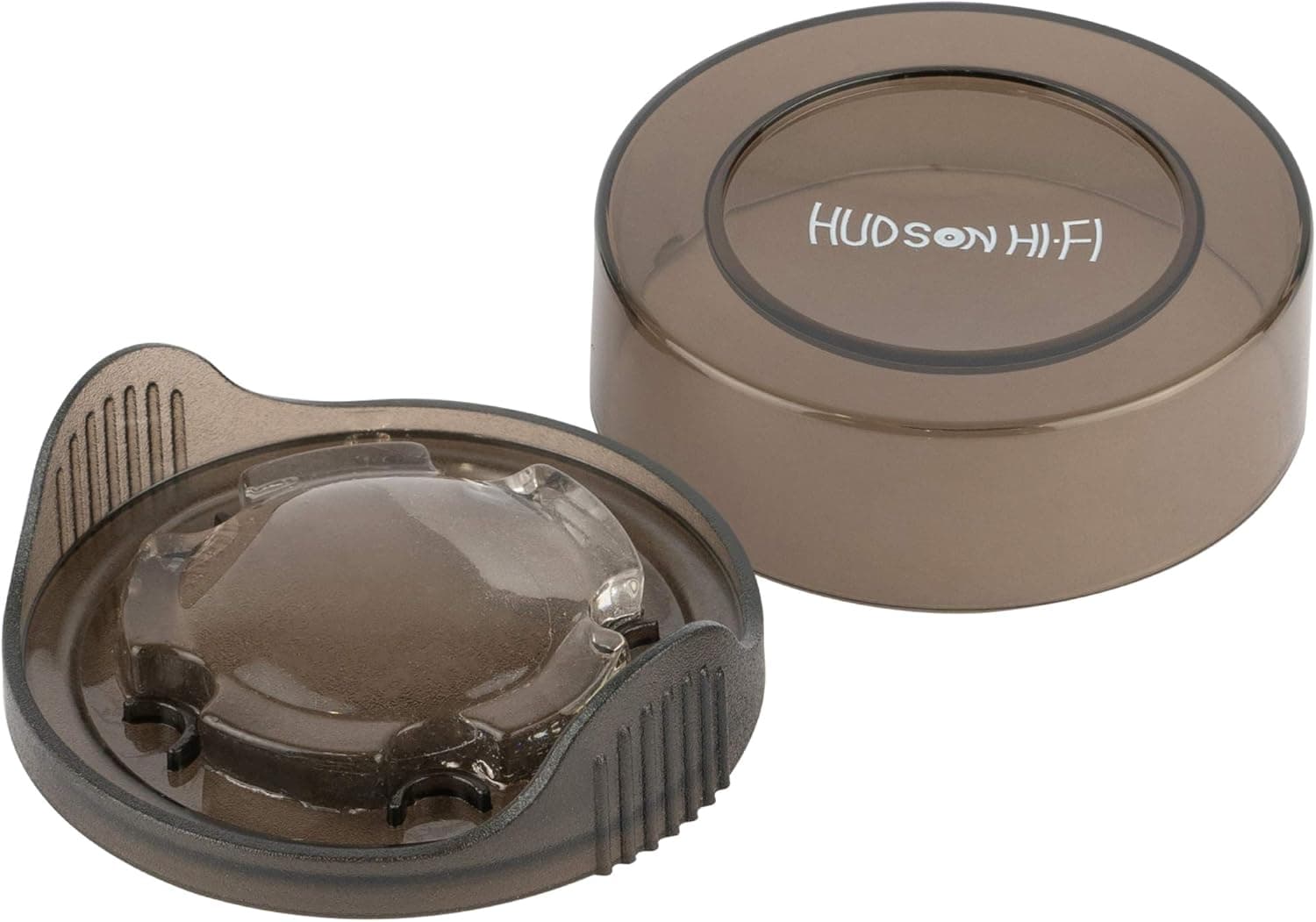
+ Reusable gel bubble can be rinsed and used many times
From our guide: Best Stylus Cleaners for Vinyl (2026)
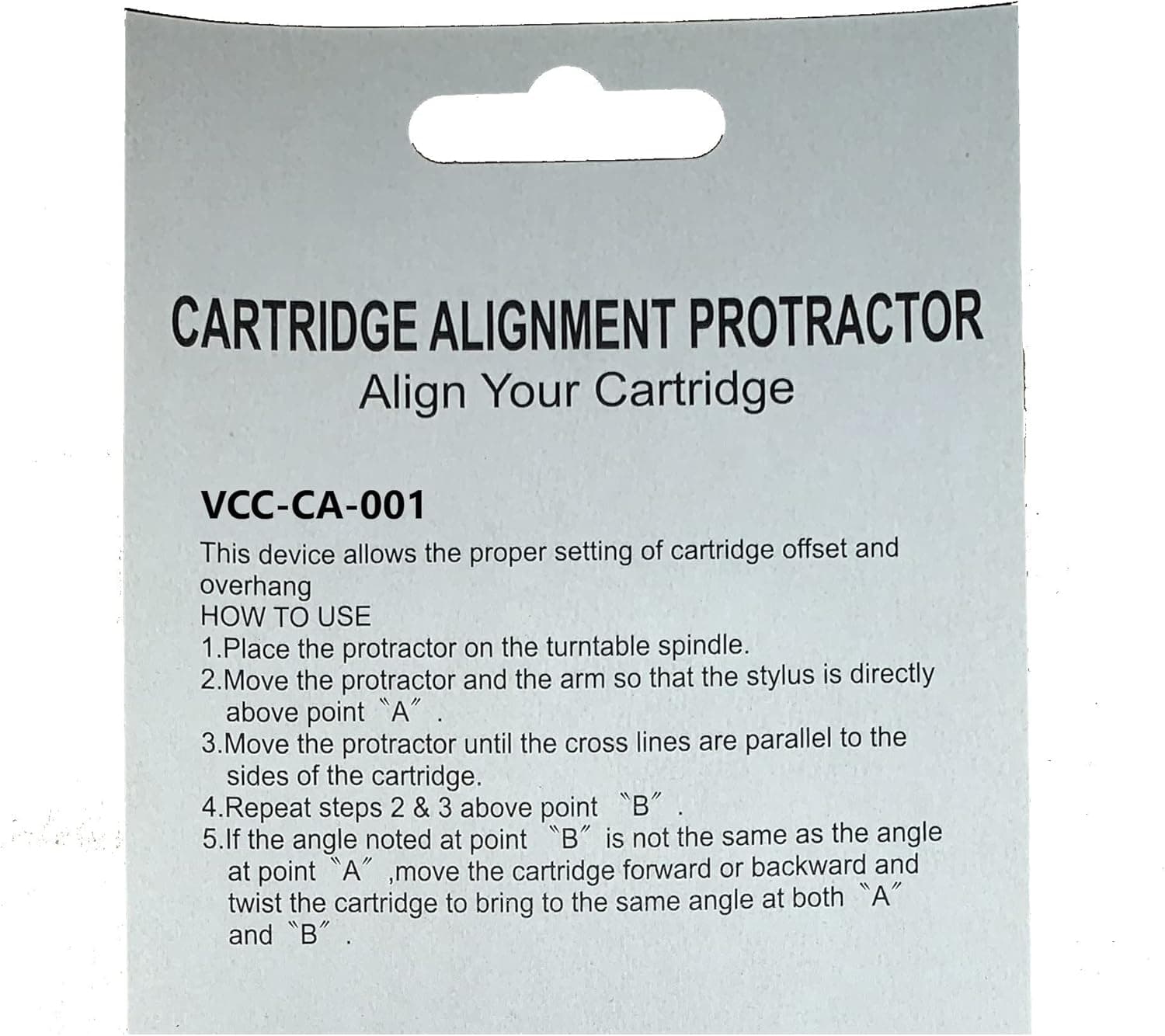
+ Baerwald geometry is a widely used standard for low average distortion
From our guide: Best Cartridge Alignment Tools (2026)
+ Auto drying finishes records so they are ready to play
From our guide: Best Record Cleaning Machines for Vinyl (2026)
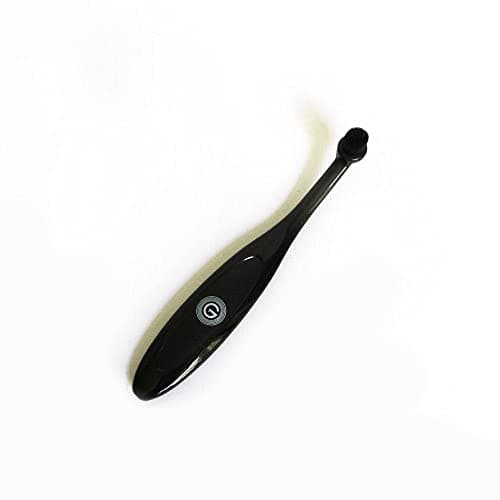
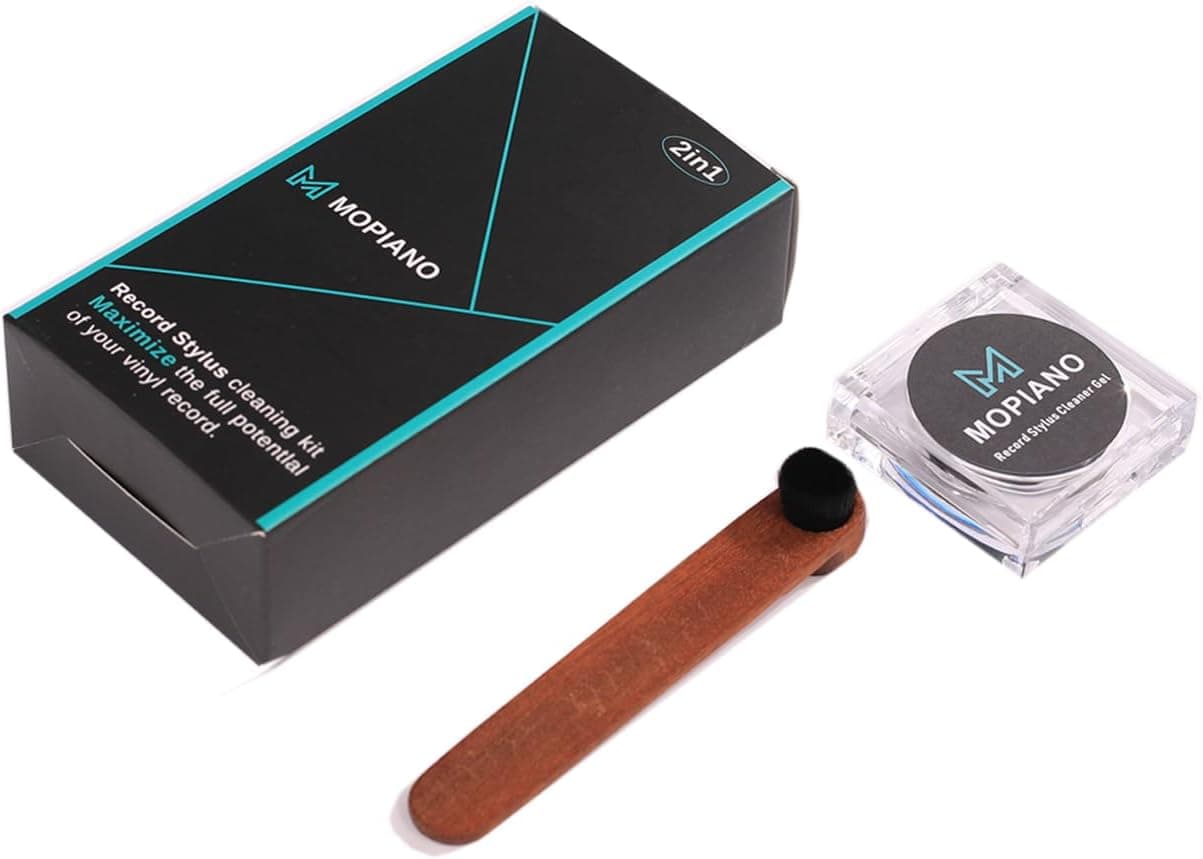
+ Gel and brush give two gentle ways to clean the needle
From our guide: Best Stylus Cleaners for Vinyl (2026)

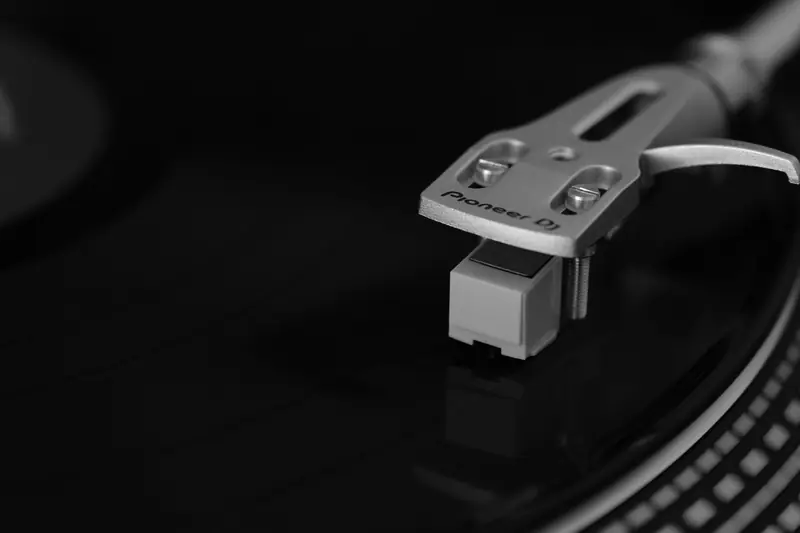
What tracking force does and why the range matters
Every cartridge comes with a recommended tracking force range, usually printed in the manual or on the maker's specifications. Your goal is to land within that window, often near the middle as a safe starting point. This number is not a suggestion to ignore, because the cartridge is engineered to track best at that pressure. Straying outside the range in either direction moves you away from how the designer intended the stylus to sit in the groove.
Setting it with the counterweight's numbered ring
To set it, first balance the tonearm so it floats level with the anti-skate at zero, which establishes your neutral point. Then dial the numbered ring on the counterweight to the target figure. This built-in scale gets you close, but the calibration can drift, so it is not always precise. That is why many enthusiasts use a small digital stylus force gauge, which measures the actual pressure at the stylus tip and removes the guesswork entirely.
Using a digital stylus force gauge for precision
Place the gauge where the record would sit so the arm is at playing height, then lower the stylus onto the measuring platform and read the number. Adjust the counterweight until the gauge shows your target, then recheck a couple of times since small movements matter at this scale. A gauge is an inexpensive tool that pays for itself by keeping your expensive stylus and records in good shape.
Revisit it when you change cartridges
Once set, revisit tracking force whenever you change cartridges, and check it occasionally as part of routine care. Environmental factors and handling can shift the balance slightly over time. When the force is correct, the stylus stays planted in the groove through loud passages, tracks cleanly, and wears both itself and your records at the slow, intended rate. It is one of the simplest adjustments with one of the biggest payoffs.
Frequently asked questions
What happens if tracking force is too light? The stylus skitters across the groove, causing mistracking, distortion, and groove damage often wrongly blamed on heavy needles instead of insufficient force.
How do I set tracking force correctly? Balance the tonearm level with anti-skate at zero, then dial the counterweight's numbered ring to your cartridge maker's recommended figure, ideally verified with a digital stylus force gauge.
Do I need a stylus force gauge? It is not mandatory but removes guesswork, since a counterweight's built-in scale can drift out of calibration. A gauge measures the actual pressure at the stylus tip directly.
When should I recheck tracking force? Whenever you change cartridges, and occasionally as routine care, since environmental factors and handling can shift the balance slightly over time.
Quick answers
How does stylus tracking force work?
It is the downward force the stylus applies to the groove, set with the counterweight. Too light and it skips and distorts, too heavy and it wears records faster. Use the cartridge maker's recommended range.
Popular right now
- How to Ground a Turntable and Eliminate HumArticle
- How to Align a Phono Cartridge for Accurate TrackingArticle
- RIAA equalization explainedGlossary
- Best Stylus Cleaners for Vinyl (2026)Buying guide
- How to Fix a Turntable Playing Through Only One ChannelArticle
- Best Budget Turntables (2026)Buying guide
Based on the last 28 days of search and visitor data.