Belt Drive vs Direct Drive Turntables
Published How we research
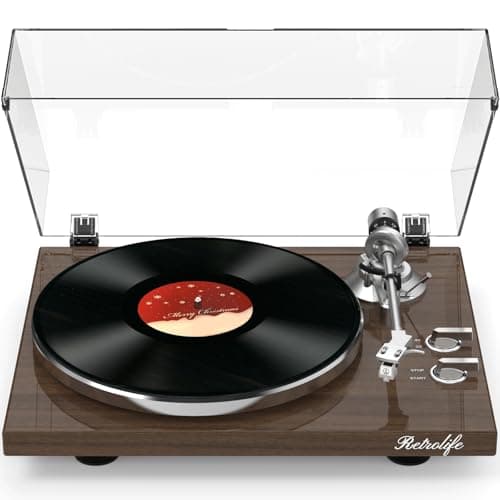
Belt drive isolates motor vibration through an elastic belt for quiet home listening, but belts stretch and need eventual replacement and start up more slowly. Direct drive spins the platter directly beneath it for instant torque and rock-solid speed, which is why DJs favour it for cueing and scratching, and needs no belt to maintain. Sound quality depends on the whole design, not the drive method alone, so choose belt drive for calm home listening and direct drive if you want instant speed or plan to DJ. The debate between belt drive and direct drive turntables comes down to how the motor spins the platter. In a belt-driven deck, the motor sits off to the side and turns the platter through an elastic belt. In a direct-drive deck, the motor sits directly beneath the platter and drives it without any intermediate parts. Both designs can sound excellent, but the differences in feel and behavior are real and worth understanding before you buy.
Products from this article
The highest-scoring picks from the buying guides this article links to. Scores are our editorial assessment, not customer ratings.
+ One-piece carbon fiber tonearm and aluminum die-cast platter are listed.
From our guide: Best Belt-Drive Turntables (2026)
+ DVS control is built in, so you can scratch digital files without timecode vinyl
From our guide: Best Direct-Drive Turntables (2026)
+ RCA out on the white Journey lets you graduate to proper speakers later
From our guide: Best Suitcase Record Players (2026)
+ Ships with an Audio-Technica AT-VM95E cartridge on a universal detachable headshell for easy cartridge changes
From our guide: Best Belt-Drive Turntables (2026)
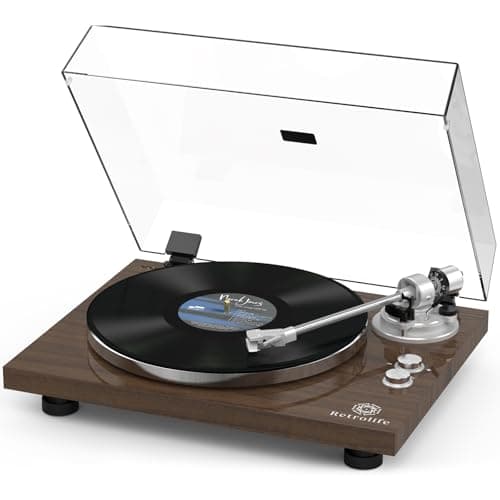

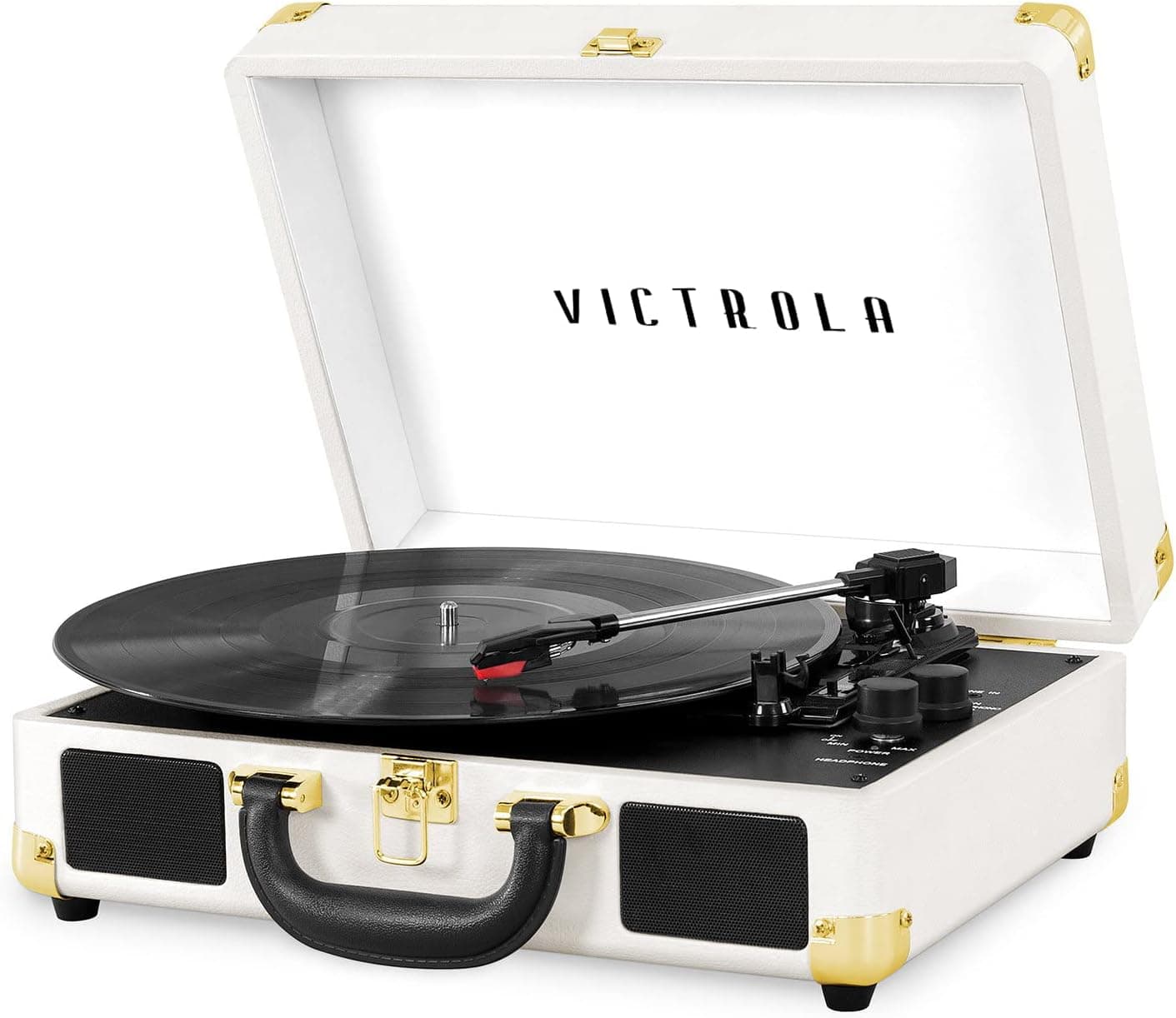
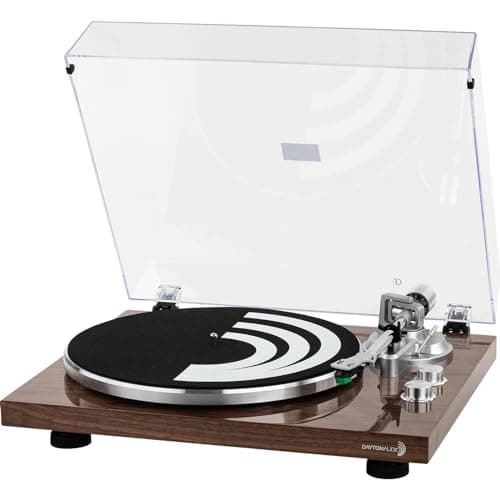
Belt drive: isolating motor vibration
Belt drive is often praised for isolating motor vibration from the platter. Because the rubber belt absorbs some of the small vibrations the motor produces, less of that noise reaches the stylus. Many listeners choose belt drive for quiet home listening where they play a record start to finish and never touch the platter. The trade-off is that belts stretch and wear over time, so you will eventually replace them, and startup speed is a little slower.
Direct drive: instant torque and speed stability
Direct drive shines when you need instant torque and rock-solid speed stability. The platter reaches full speed almost immediately and holds it firmly even if you touch it, which is exactly why DJs favor these decks for cueing, scratching, and beatmatching. The motor being fixed under the platter also means there is no belt to replace, so maintenance is minimal over the years.
Sound quality is about the whole design, not drive type
Sound quality is where opinions get heated, but the honest answer is that a well-designed table of either type can sound wonderful. Speed accuracy and low noise matter more than the drive method alone. A cheap direct-drive deck with a rumbly motor can sound worse than a quality belt-driven one, and vice versa. Judge the whole design rather than assuming one style always wins.
Choosing based on how you will use the table
To choose, think about how you will use the table. If you want a calm home listening deck and do not mind replacing a belt occasionally, belt drive is a fine, affordable path. If you plan to DJ, want instant speed, or prefer a deck you never have to service, direct drive earns its keep. Match the tool to the job and you will be happy with either one.
Frequently asked questions
Is belt drive or direct drive better for a turntable? Neither is universally better. Belt drive suits calm home listening with less motor vibration reaching the stylus; direct drive suits DJs and anyone wanting instant speed and minimal maintenance.
Why do DJs use direct-drive turntables? The platter reaches full speed almost instantly and holds it firmly even when touched, which is essential for cueing, scratching, and beatmatching.
Do belt-drive turntables need maintenance? The belt stretches and wears over time and eventually needs replacing, which is the main upkeep item that direct-drive tables avoid.
Does drive type determine sound quality? Not by itself. A well-designed table of either type can sound wonderful; speed accuracy and low motor noise matter more than the drive method alone.
At a glance: Belt drive vs Direct drive
| Belt drive | Direct drive | |
|---|---|---|
| Motor noise | Isolated by the belt | Well damped on good designs |
| Start-up | Slower to reach speed | Almost instant |
| Speed stability | Good, belt can stretch with age | Very stable |
| DJ use | Not suitable | Standard |
| Maintenance | Replace the belt occasionally | Minimal |
| Speed change | Manual on some models | Button or switch |
Choose Belt drive if
- You only listen at home
- You want a simple, affordable hi-fi deck
- You value motor isolation
Choose Direct drive if
- You DJ or scratch
- You want quick start and pitch control
- You want minimal maintenance
Bottom line: For home listening, a good belt drive deck is a great choice at most budgets. Choose direct drive if you DJ or want convenience and rock-steady speed.
Quick answers
Is belt drive or direct drive better?
For home listening both can sound excellent. Belt drive isolates motor vibration and is common in hi-fi decks, while direct drive starts instantly with stable speed and is standard for DJs.
Popular right now
- How to Ground a Turntable and Eliminate HumArticle
- How to Align a Phono Cartridge for Accurate TrackingArticle
- RIAA equalization explainedGlossary
- Setting Tracking ForceArticle
- Best Stylus Cleaners for Vinyl (2026)Buying guide
- How to Fix a Turntable Playing Through Only One ChannelArticle
Based on the last 28 days of search and visitor data.