Choosing Speakers for Vinyl
Published Updated How we research
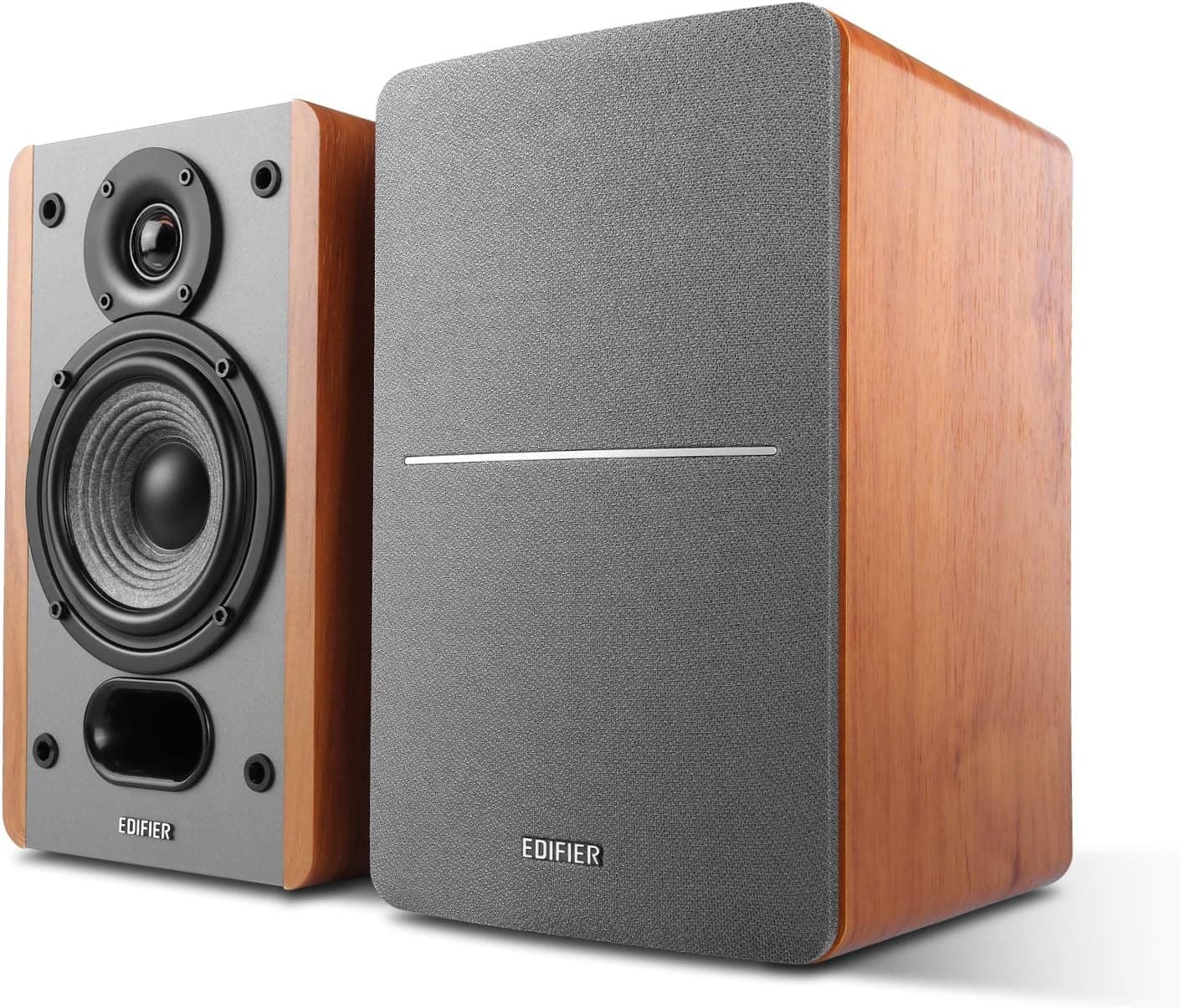
Speakers shape the character of a vinyl system more than almost any other component, so choosing them well is time well spent. Records have a warm, full-bodied sound that many listeners love, and the right speakers let that quality shine while the wrong ones fight it. There is no single best speaker, only the best match for your room, your amplifier, and your taste. Approaching the choice thoughtfully beats chasing specifications or brand names alone.
Products from this article
The highest-scoring picks from the buying guides this article links to. Scores are our editorial assessment, not customer ratings.
+ G2 update refines the original MB42X's tuning and build
From our guide: Best Passive Speakers for Vinyl (2026)
+ Mark II update refines the RP-8000F's sound and cabinet
From our guide: Best Floorstanding Speakers for Vinyl (2026)
+ 66W RMS gives more room-filling sound than smaller Edifiers
From our guide: Best Powered Bookshelf Speakers for Vinyl (2026)
+ 2-way design with a separate tweeter keeps vocals and cymbals clear
From our guide: Best Passive Speakers for Vinyl (2026)
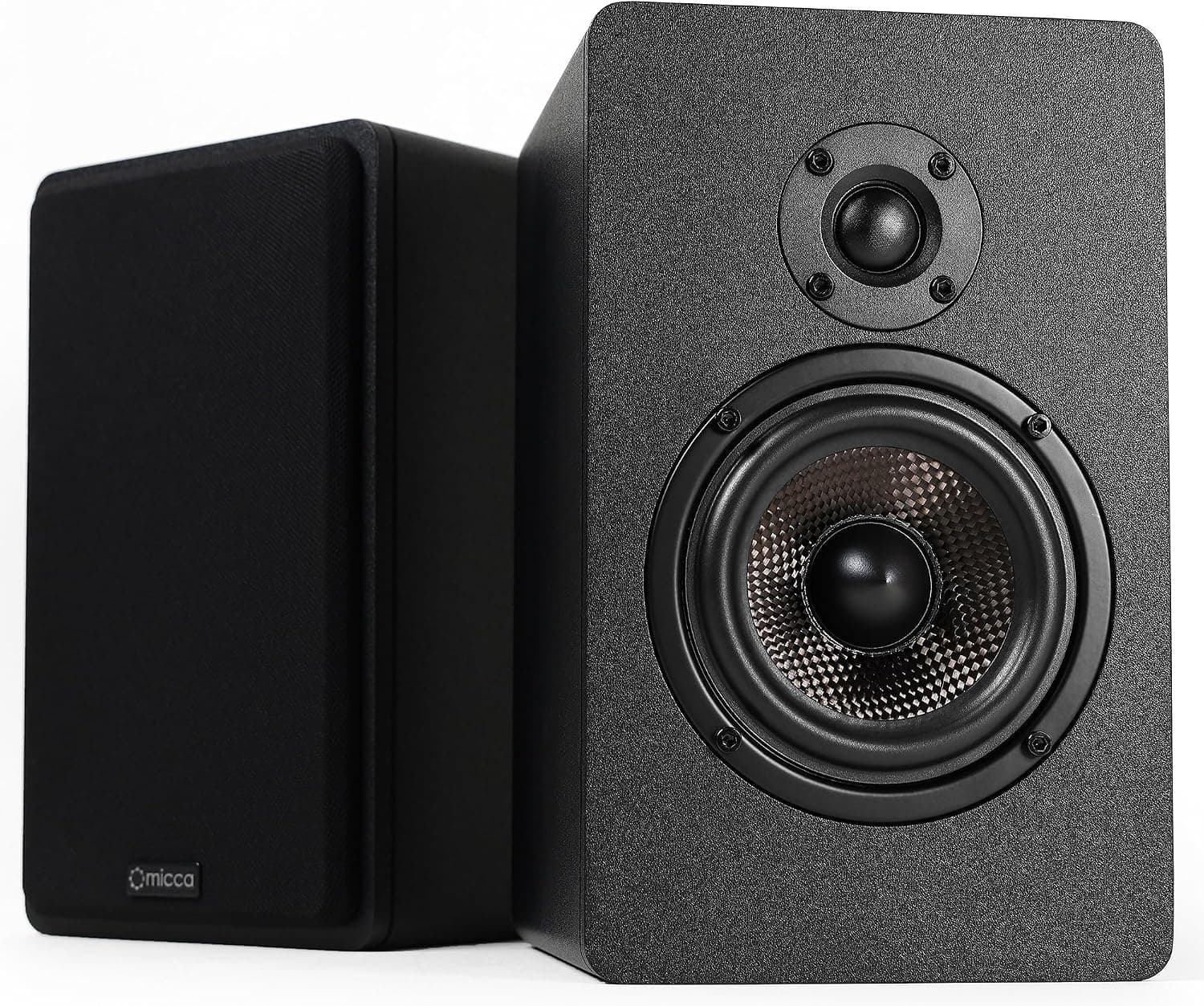
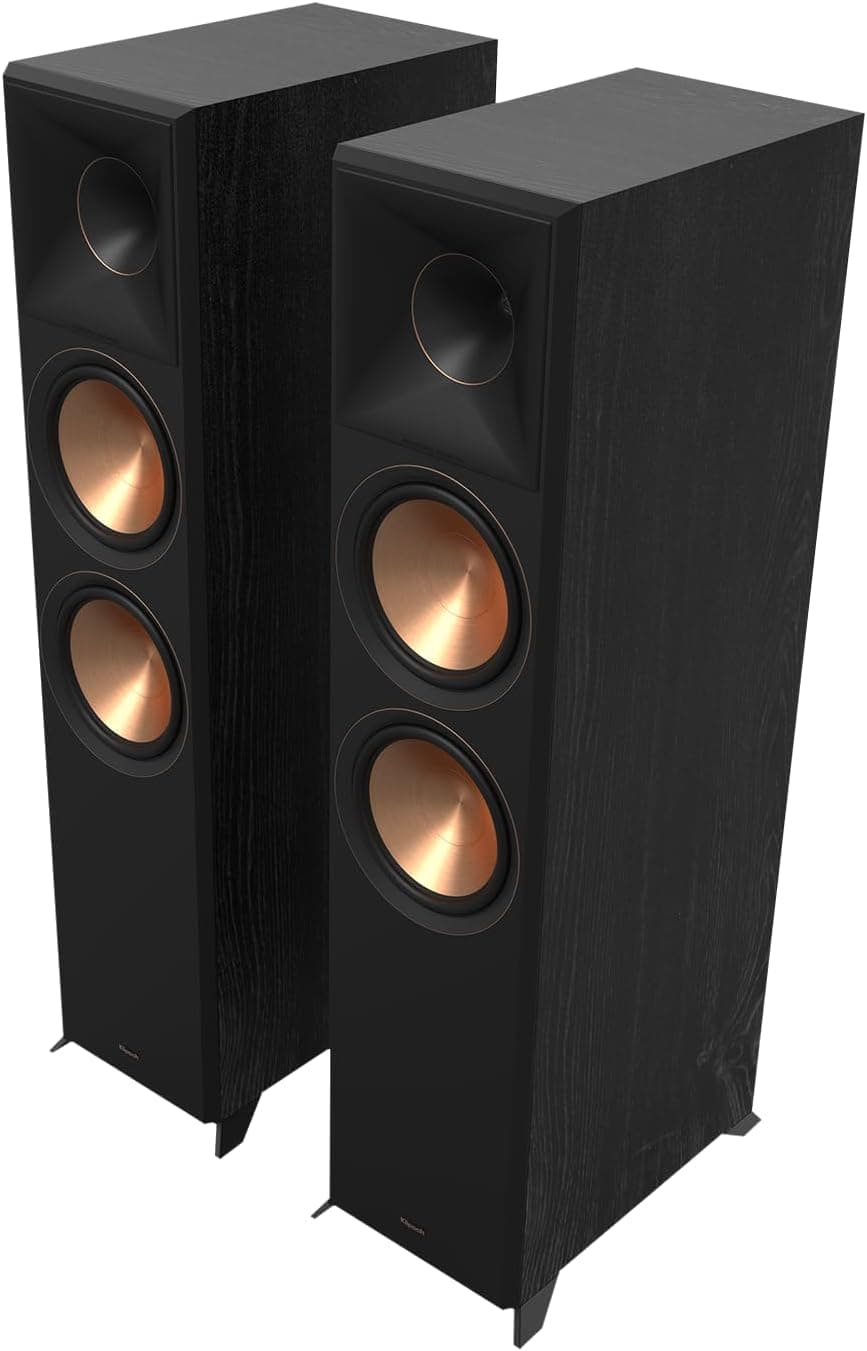
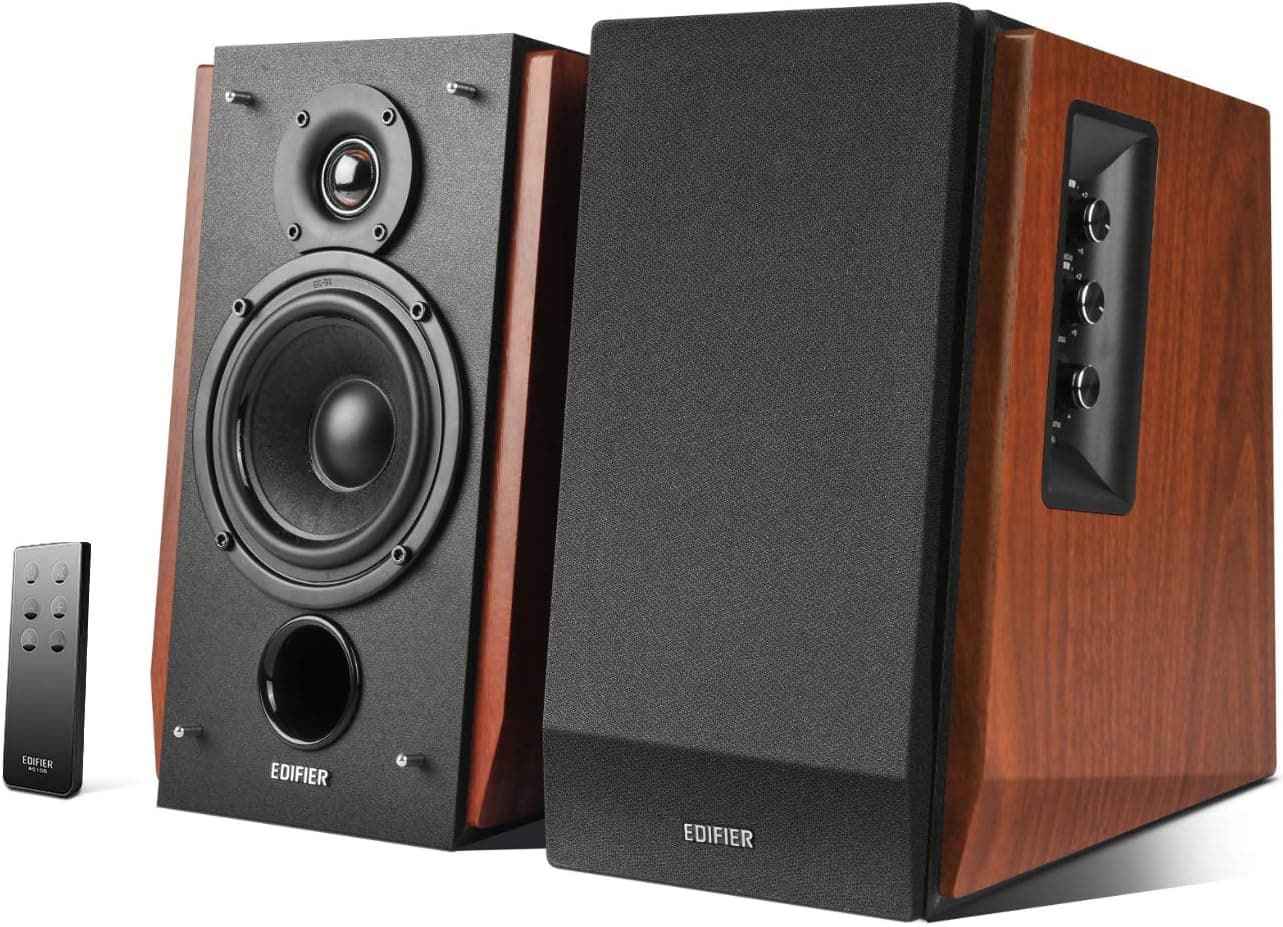
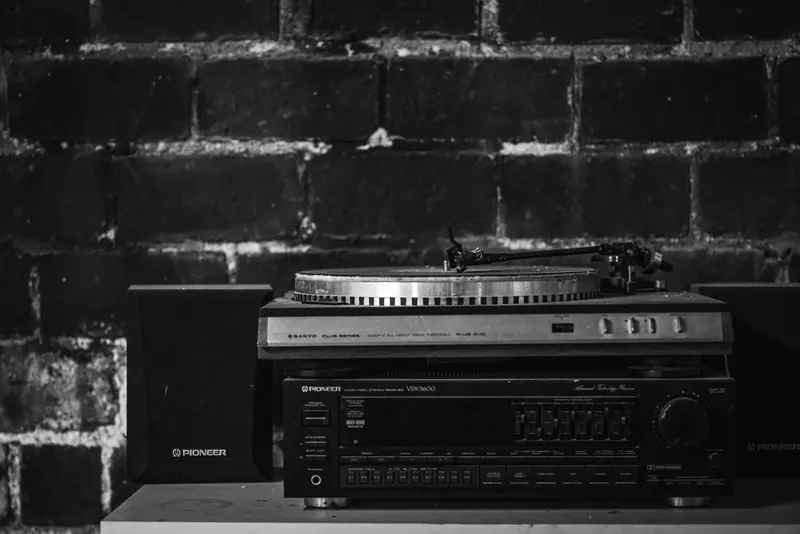
Start with the size of your room, because it strongly influences what kind of speaker fits. Small to medium rooms often pair beautifully with bookshelf speakers, which take up little space and can deliver surprisingly full sound when placed well. Larger rooms may call for floorstanding speakers that move more air and fill the space with bass. Oversized speakers in a small room can overwhelm it, while small speakers in a big room can sound thin, so honest room assessment guides the whole decision.
Sensitivity and how the speaker interacts with your amplifier deserve attention next. Sensitivity describes how loud a speaker plays for a given amount of power, and a higher figure means the speaker is easier to drive. If you own a modest amplifier, a more sensitive speaker will reach satisfying volume without strain. This pairing between amp and speaker matters more than raw power numbers, since a well-matched combination sounds relaxed and clean rather than harsh at volume.
Think about the sound signature you enjoy, since speakers vary in tonal balance. Some lean warm and smooth, flattering older recordings and complementing the natural warmth of vinyl. Others are bright and detailed, revealing every nuance but also every flaw in a pressing. If you can, listen before you buy, ideally with music you know and, if possible, from a turntable source. Your ears are the final authority here.
Placement will make or break even great speakers, so leave room to experiment. Give them space from walls to control bass, aim them toward the listening position, and keep them on stands or solid supports rather than resonant furniture. Budget for good stands and cables as part of the purchase. When room, amplifier, and taste all line up, the right speakers turn a decent turntable into a system you never want to stop listening to.
Powered or passive speakers for a turntable
Every turntable signal needs to pass through a phono preamp before it reaches speakers, because the signal from the cartridge is far too quiet and needs a specific equalization curve. That preamp can be built into the turntable, built into an amplifier or powered speakers, or sold as a separate box. Knowing where your phono stage lives is the first step in choosing speakers.
Powered speakers have an amplifier built in, so they connect directly to a turntable with a built-in preamp, or to a separate phono preamp, with no receiver needed. Some powered models also include a phono input. They are a compact, simple choice for bedrooms, desks, and smaller living rooms, and they reduce the number of boxes and cables in the setup.
Passive speakers need a separate amplifier or receiver to drive them. The system takes more space, but it lets you upgrade the amplifier and speakers independently over time and pick exactly the pairing you like. If you already own a receiver with a phono input, passive speakers are often the natural choice.
A quick checklist before buying vinyl speakers
Start by confirming your signal chain: does your turntable have a built-in preamp, does your amplifier have a phono input, or do you need a separate preamp? Then measure the space where the speakers will go, including the distance from walls and whether you will use stands or a shelf. These two answers narrow the choice more than any spec sheet.
Plan to keep the speakers off the same piece of furniture as the turntable where possible. Speaker vibrations can travel into the platter and tonearm, causing muddy bass or a low hum at higher volumes. Placing speakers on stands or a separate surface, or isolating them with pads, prevents this. Finally, decide whether you want Bluetooth or other streaming inputs, since they are convenient for other sources even if records are your focus.
Quick answers
Do I need a phono preamp to connect speakers to a turntable?
Yes, a phono preamp is always needed, but it may already be built in. Many turntables, amplifiers, receivers, and some powered speakers include one. If none of your components have a phono stage, add a separate phono preamp between the turntable and the amplifier or powered speakers.
Can I plug a turntable directly into speakers?
You can connect a turntable directly to powered speakers if either the turntable or the speakers have a built-in phono preamp. Passive speakers cannot connect directly, because they need an amplifier to drive them. Check for a phono or line switch on the turntable and set it to match your speakers' input.
Are Bluetooth speakers good for vinyl?
They work and are convenient, especially with turntables that have Bluetooth output, but the wireless connection compresses the signal. Many vinyl listeners prefer a wired connection to powered or passive speakers for the fullest sound. Bluetooth is a reasonable choice for casual listening or a second room.
Should speakers sit on the same shelf as my turntable?
It is best to avoid it. Vibrations from the speakers can travel into the turntable, causing muddy bass, skipping, or feedback hum at higher volumes. Put speakers on stands or a separate surface, or use isolation pads, and keep the turntable on a solid, level base.
Popular right now
- How to Ground a Turntable and Eliminate HumArticle
- How to Align a Phono Cartridge for Accurate TrackingArticle
- RIAA equalization explainedGlossary
- Setting Tracking ForceArticle
- Best Stylus Cleaners for Vinyl (2026)Buying guide
- How to Fix a Turntable Playing Through Only One ChannelArticle
Based on the last 28 days of search and visitor data.