Do Record Players Need Speakers? What You Need to Hear Vinyl
Published How we research
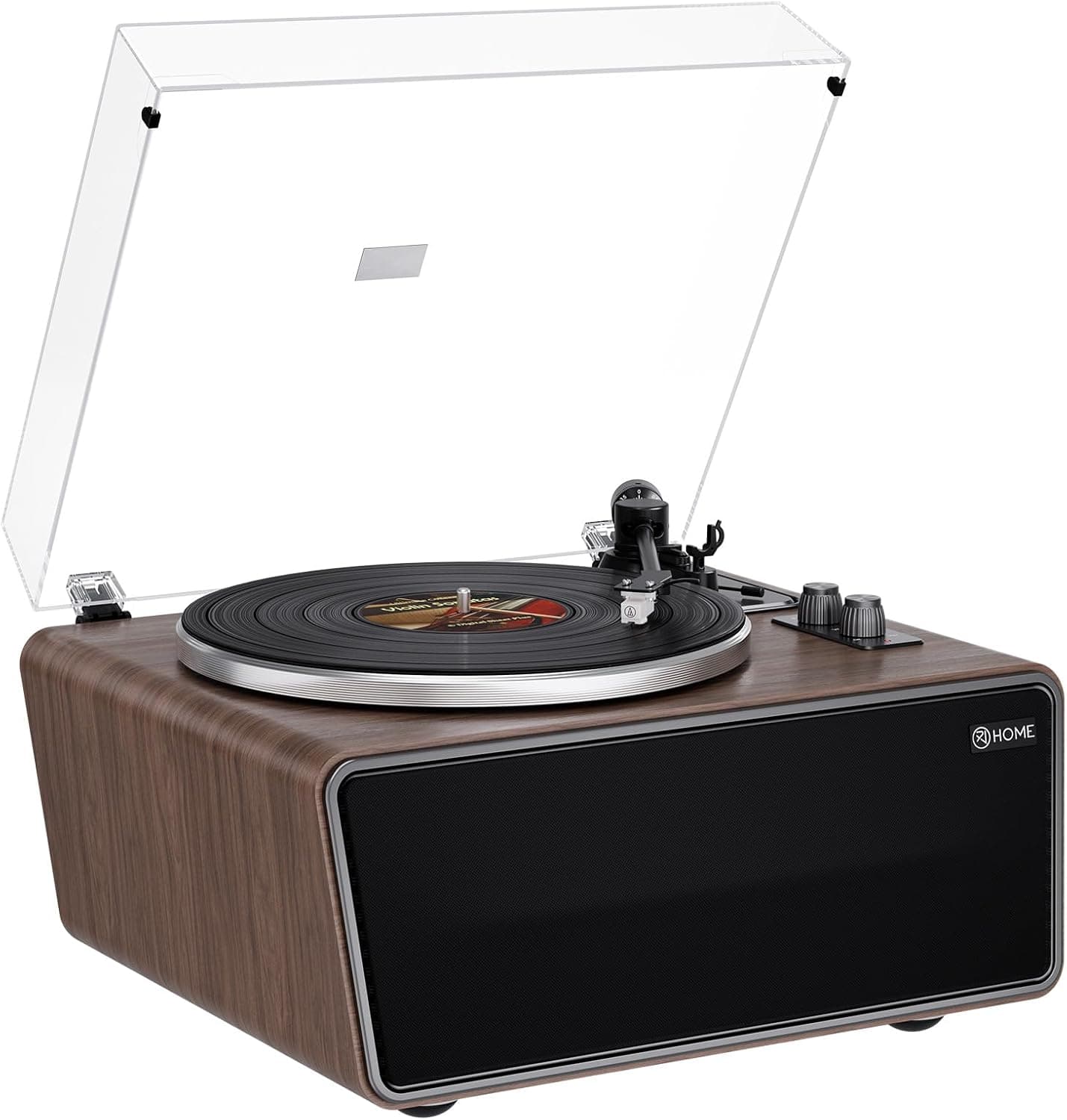
Whether a record player needs speakers depends on what kind of record player you have. Some all-in-one models have speakers built in and work as soon as you plug them in. Most separate turntables do not, so they need something to amplify the signal and something to turn it into sound, which can be powered speakers, a receiver with passive speakers or a pair of headphones with the right amplifier. This guide explains each case, what to look for on your own player, and the simplest ways to get sound out of a deck that has none.
Products from this article
The highest-scoring picks from the buying guides this article links to. Scores are our editorial assessment, not customer ratings.
+ AT-3600L cartridge is a step up from the ceramic needles in cheap players
From our guide: Best All-in-One Record Players (2026)
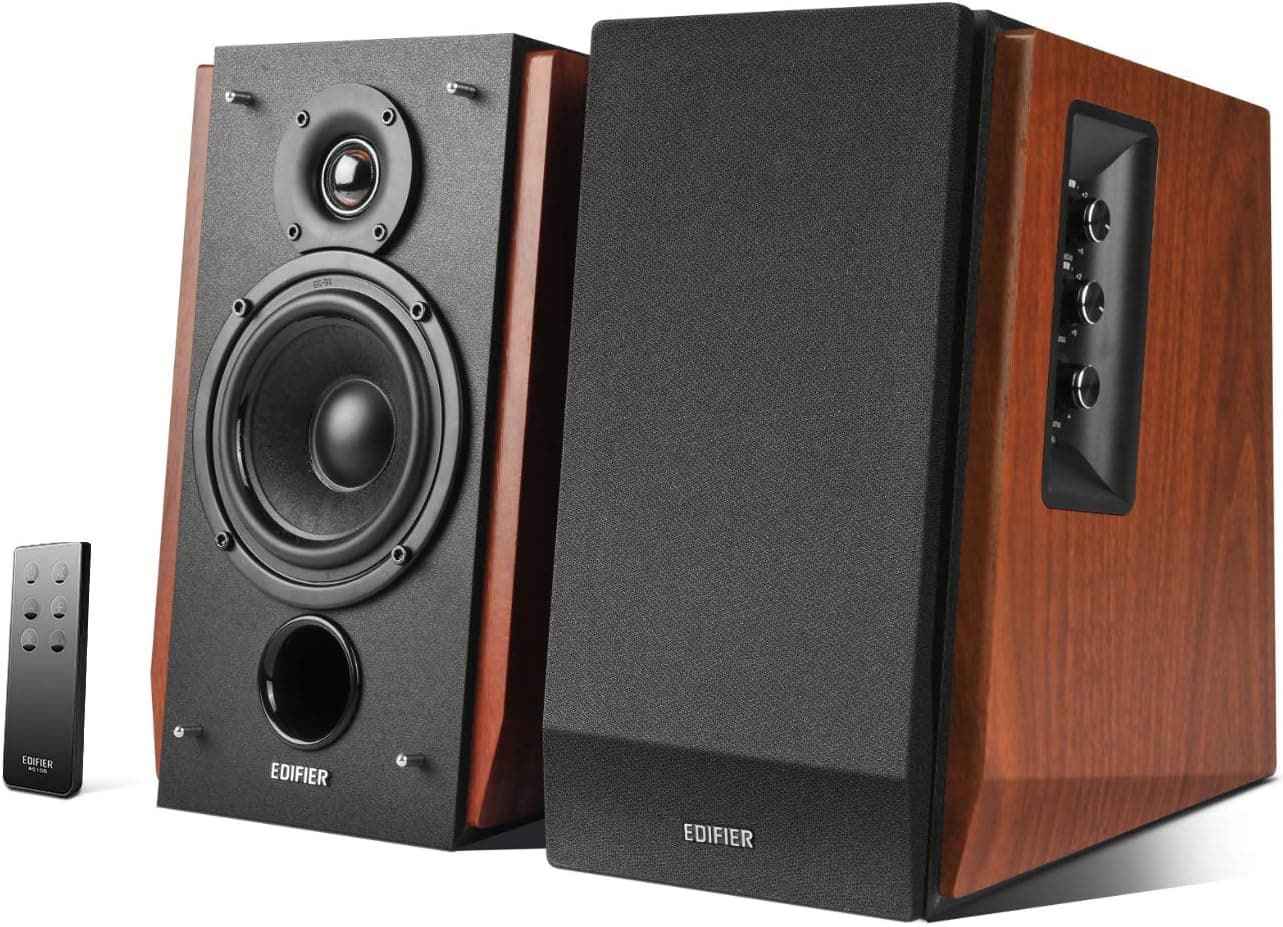
+ 66W RMS gives more room-filling sound than smaller Edifiers
From our guide: Best Powered Bookshelf Speakers for Vinyl (2026)
+ THX certification signals clean, loud output for desktop use
From our guide: Best Desktop Speakers for Vinyl (2026)
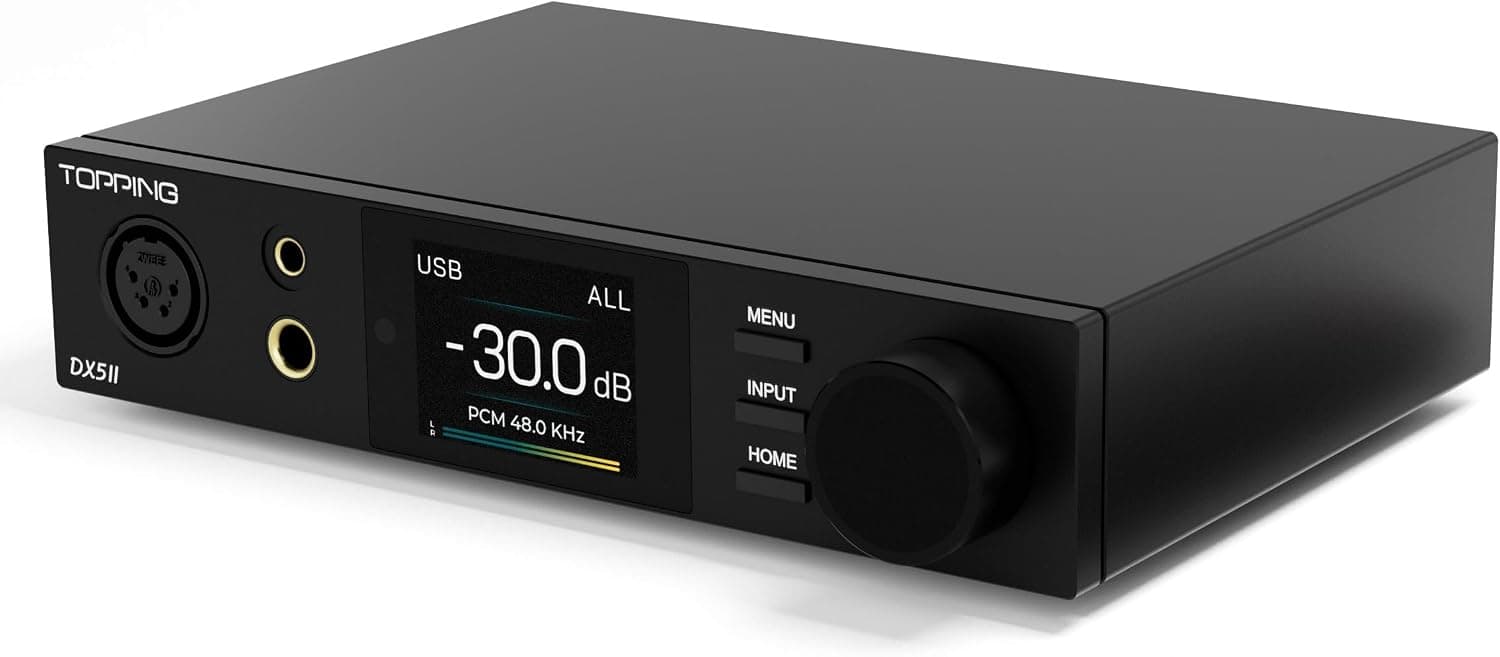
+ Dual ES9039Q2M DAC chips aim at very low distortion playback
From our guide: Best Headphone Amps (2026)

Players with built-in speakers
Many suitcase-style, retro and entry-level record players include a small amplifier and one or two speakers in the same case. You plug in power, put on a record and listen. These are the easiest way to start because there is nothing else to buy, and they are popular for casual listening, small rooms and gifts.
The trade-off is sound quality and flexibility. Small built-in speakers have limited bass and volume, and they sit close to the turntable, so vibration can travel back to the stylus. Many also offer outputs for external speakers, a headphone jack or Bluetooth, which gives you room to improve the sound later without replacing the whole unit.
Turntables with no speakers
A turntable alone reads the groove and outputs a signal, but it cannot produce sound by itself. It needs an amplifier to raise the signal and speakers or headphones to play it. If the deck has a built-in preamp, you can connect powered speakers directly. If it does not, you need a phono preamp or a receiver with a phono input in between.
Check the back of the turntable. A phono and line switch, or a manual that mentions a built-in preamp, means it can connect to speakers that have their own amplifier. No switch usually means a preamp is needed. If you are not sure, look up the model name and read the specifications.
Some turntables have a USB output instead, which sends digital audio to a computer. That is useful for recording but it does not play sound by itself, so you would still need speakers connected to the computer. If a listing mentions only USB and no analog output, check how the manufacturer expects you to listen before you buy.
Options if you do not own speakers yet
Powered bookshelf speakers are a straightforward solution: they include their own amplifier, so they plug into a turntable with a preamp using standard cables. Some have Bluetooth, a headphone output and a subwoofer connection too. They are compact and good for desks or small rooms.
A receiver or amplifier with passive speakers is the traditional hi-fi route and gives more room for expansion. A soundbar with an analog or optical input is a possibility if your TV setup is where the turntable sits, but check the available inputs and whether the soundbar accepts a line-level signal. Match the system to your space and budget, and keep the extras you actually need.
Listening with headphones
You can listen to a turntable with headphones, but you still need a signal path with a preamp and an amplifier able to drive them. Some turntables have a headphone jack, and many receivers and integrated amplifiers do. A dedicated headphone amplifier is another route, and it should be fed from a line-level source, so add a phono preamp if your turntable lacks one.
Headphones are a good choice for apartments, late-night listening and shared spaces. Start at a low volume, since vinyl can have wide dynamic range and sudden loud passages, and avoid plugging headphones into an input not meant for them. Always follow the product's manual.
Bluetooth and wireless listening
Bluetooth turntables send the audio to wireless speakers or headphones, and they remove the need for cables between the deck and the speaker. Pair the devices according to the manual, and keep them within range for a stable connection. If your turntable has no Bluetooth, a transmitter plugged into the line output can add it, provided the signal has been through a preamp.
Wireless listening is convenient, and it may involve audio compression and a small delay. Neither matters much for playing records, but if you want the highest quality, a wired connection is a safe default. You can always use both: wired speakers for main listening and Bluetooth headphones for quiet hours.
Choosing the simplest setup
If you want sound tonight with minimum fuss, choose an all-in-one record player or a turntable with a preamp plus a pair of powered speakers. If you plan to build a larger system, buy a separate turntable and add a receiver and speakers over time. If space is tight, consider compact powered speakers, which sit comfortably on a shelf.
Whatever you pick, keep the speakers a little away from the turntable, and place the turntable on a stable surface. Bass from nearby speakers can feed back through the shelf to the stylus and cause a boomy, muddy sound, which is easy to fix by moving things apart.
Cost is another point. Powered speakers and an all-in-one player are both reasonable starting points, while a receiver and passive speakers can cost more up front but are easier to grow. Decide whether you want to listen tonight or build slowly. There is no wrong answer, and many people begin with a simple setup and upgrade as their collection grows.
Frequently asked questions
Can I plug a turntable into a TV? Only if the TV has an input that accepts the turntable's signal type, and most TVs do not have a phono input. You would usually need a preamp and an audio input that your TV supports.
Can I use my computer speakers? Often yes, if they have a line input and the turntable's signal is at line level. Check the cable type and whether the speakers have a suitable input.
Popular right now
- How to Ground a Turntable and Eliminate HumArticle
- How to Align a Phono Cartridge for Accurate TrackingArticle
- RIAA equalization explainedGlossary
- Setting Tracking ForceArticle
- Best Stylus Cleaners for Vinyl (2026)Buying guide
- How to Fix a Turntable Playing Through Only One ChannelArticle
Based on the last 28 days of search and visitor data.