Do You Need a Phono Preamp for Your Turntable?
Published How we research
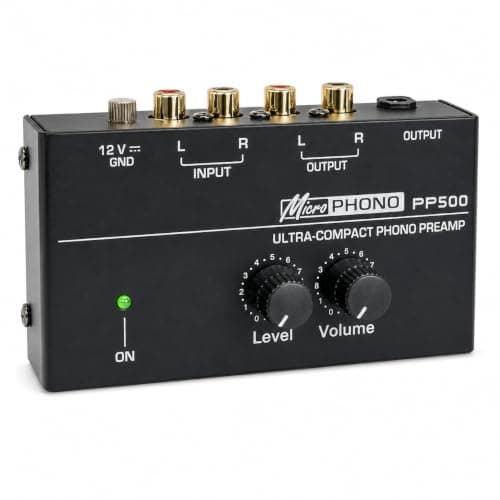
Almost every turntable needs a phono preamp somewhere in the chain, because a cartridge's raw signal is too quiet and needs the RIAA equalization curve reversed to sound correct. Many turntables and receivers already have one built in (check for a phono/line switch or a dedicated phono input); if not, a small external phono preamp sits between them. Never run a built-in preamp into a phono input at the same time, since that doubles the correction and distorts the sound. A phono preamp is one of the most misunderstood pieces in a vinyl system, yet almost every setup needs one somewhere in the chain. The signal that comes off a turntable cartridge is extremely quiet and shaped in a way that must be corrected before it sounds right. A phono stage boosts that faint signal to a normal line level and applies the RIAA equalization curve that restores the proper tonal balance. Without it, music sounds thin, quiet, and bass-light.
Products from this article
The highest-scoring picks from the buying guides this article links to. Scores are our editorial assessment, not customer ratings.
+ Switchable MM and MC modes cover most turntable cartridges.
From our guide: Best Phono Preamps (2026)
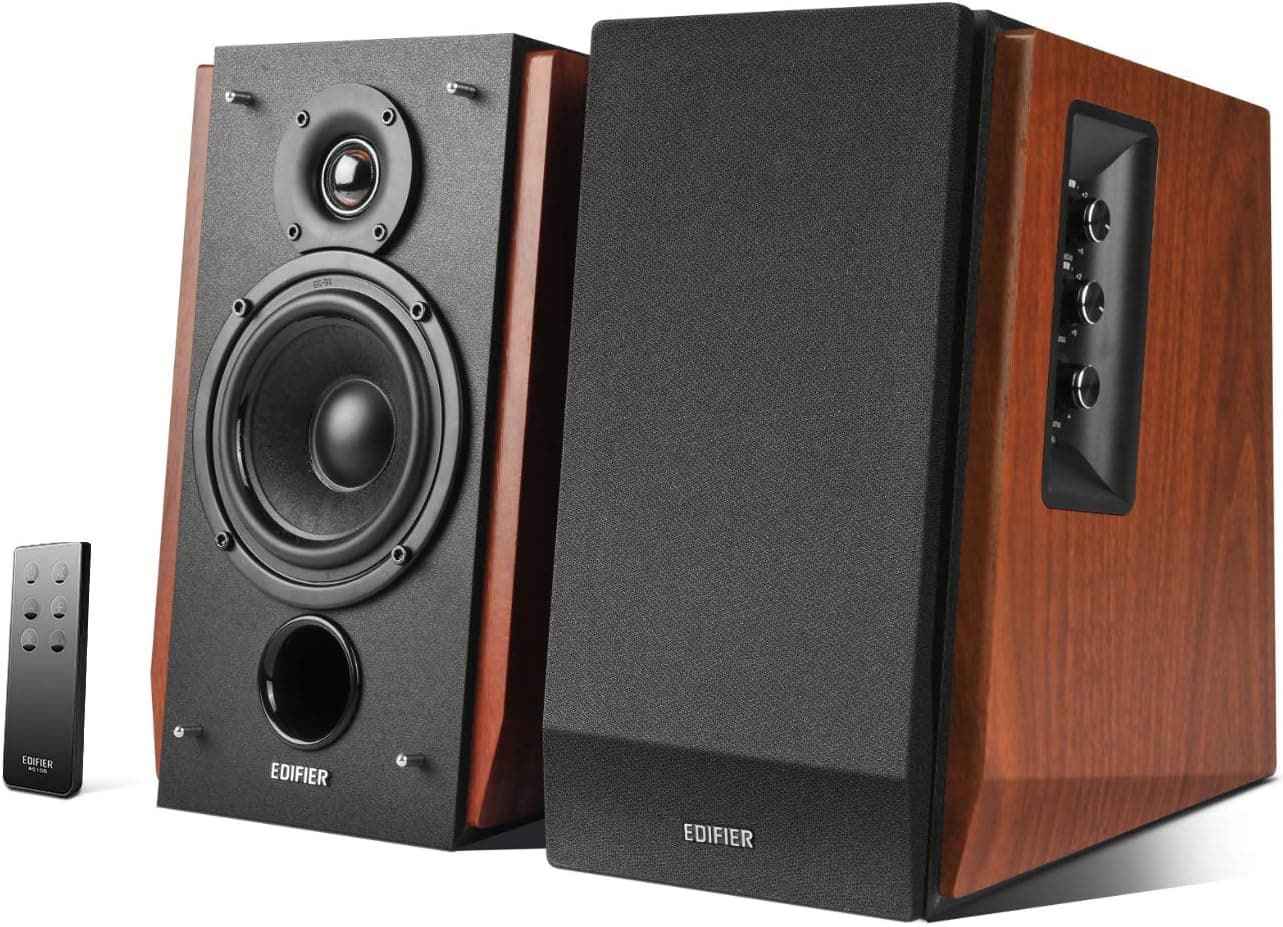
+ 66W RMS gives more room-filling sound than smaller Edifiers
From our guide: Best Powered Bookshelf Speakers for Vinyl (2026)
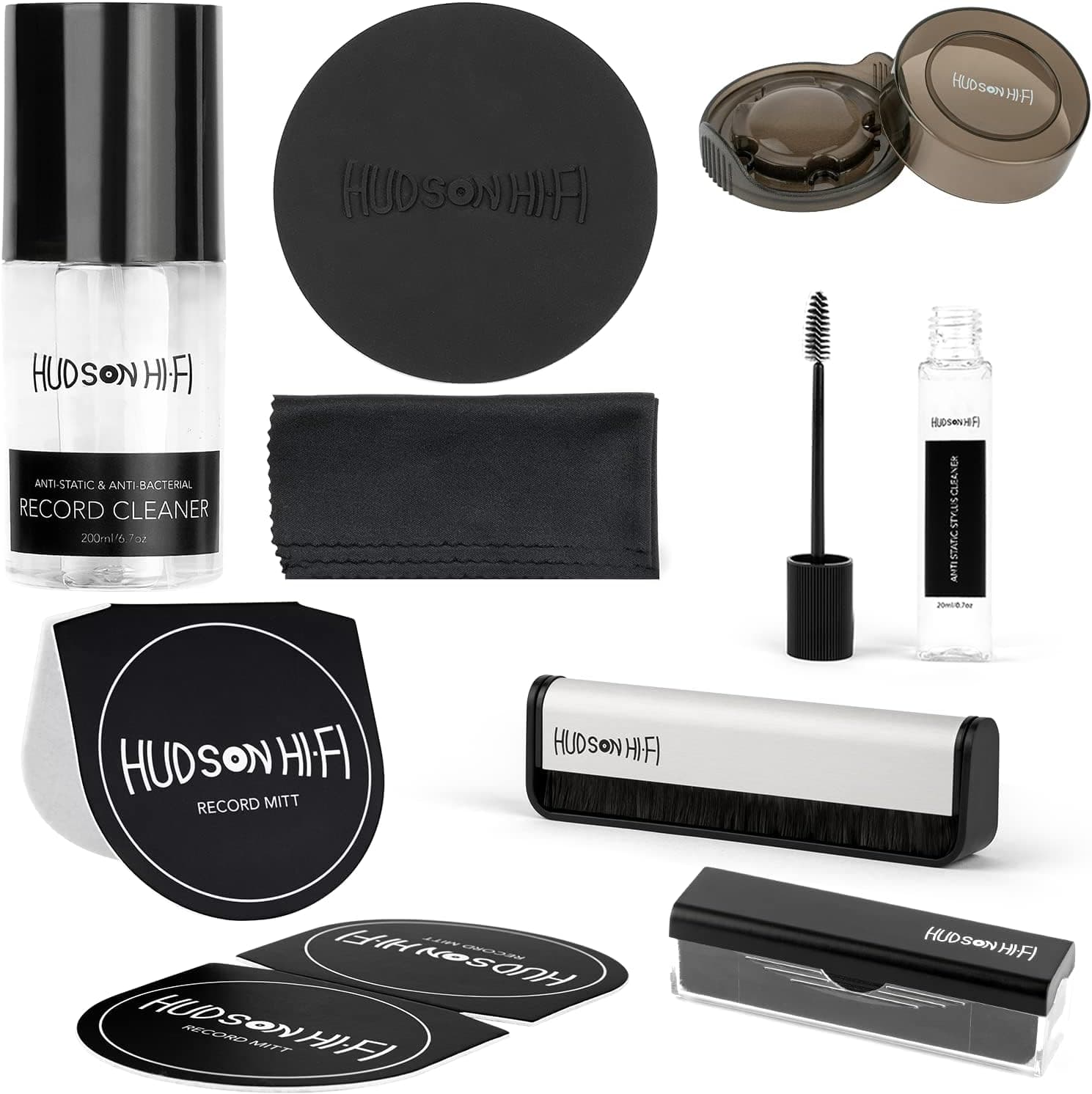
+ Stylus gel cleans the needle gently without brushing
From our guide: Best Record Cleaning Kits for Vinyl (2026)
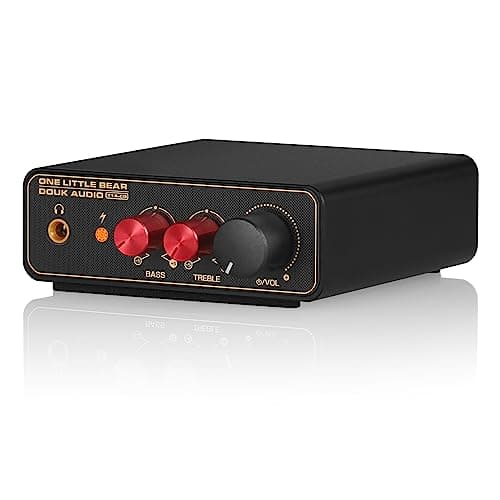
+ Low noise design improves on basic built-in turntable preamps
From our guide: Best Phono Preamps (2026)

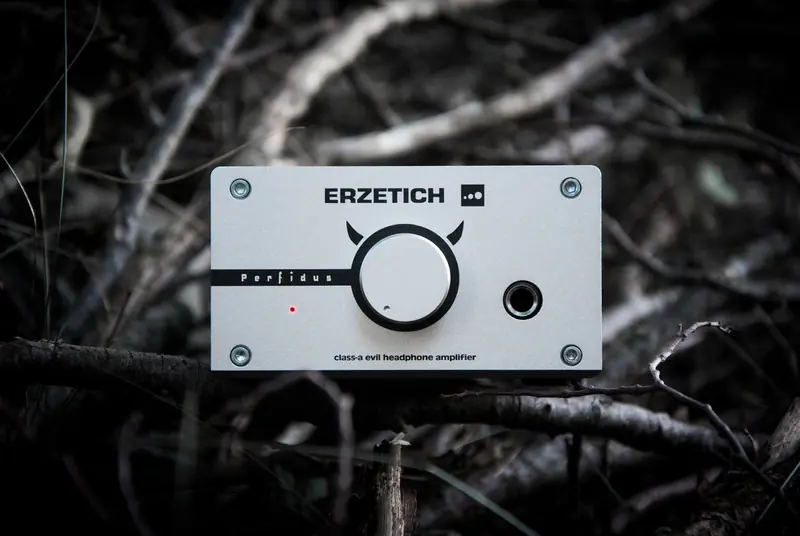
Why the signal needs special treatment
The reason the signal needs this special treatment goes back to how records are cut. To fit long playing times and control groove width, bass frequencies are reduced and treble is boosted during mastering. The phono preamp reverses that curve on playback, bringing the bass back up and taming the treble. This is why you cannot simply plug a turntable into a normal aux or line input and expect it to sound correct.
You may already have one built in
The good news is that you may already own a phono preamp without realizing it. Many modern turntables include one built in, often with a switch on the back labeled phono and line. Many stereo receivers and integrated amplifiers also have a dedicated phono input, usually marked as such and sometimes with a small ground screw beside it. If either of these is true, you are set and do not need to buy anything extra.
When you need a separate external phono preamp
You need a separate phono preamp when your turntable outputs a raw phono signal and your amplifier has only line-level inputs like aux, CD, or tape. In that case a small external box sits between the two, taking the phono signal and passing a corrected line signal onward. These range from very affordable units to high-end designs, and even a modest one will let a basic system sound properly balanced.
Checking your setup and avoiding double correction
If you are unsure what you have, check for a phono setting on the turntable and a phono input on the amplifier. Only one phono stage should be active in the chain, so avoid running a built-in preamp into a phono input at the same time, which doubles the boost and distorts the sound. Once you confirm one clean phono stage in the path, your records will play at the right volume with full, natural tone.
Frequently asked questions
Do I need a phono preamp for my turntable? Almost always, somewhere in the chain. Check whether your turntable has a built-in phono preamp (a phono/line switch) or your amplifier has a dedicated phono input before buying a separate one.
Why does my turntable sound thin and quiet through a normal aux input? A raw phono signal has not been boosted to line level or had the RIAA equalization curve reversed, so bass sounds thin and the overall signal sounds quiet plugged into a normal aux or line input.
Can I use both a built-in and an external phono preamp? No. Only one phono stage should be active in the chain; running both at once doubles the boost and distorts the sound.
What does a phono preamp actually do? It boosts the faint cartridge signal to normal line level and applies the RIAA equalization curve that restores proper bass and treble balance, since bass is reduced and treble boosted when records are cut.
Popular right now
- How to Ground a Turntable and Eliminate HumArticle
- How to Align a Phono Cartridge for Accurate TrackingArticle
- RIAA equalization explainedGlossary
- Setting Tracking ForceArticle
- Best Stylus Cleaners for Vinyl (2026)Buying guide
- How to Fix a Turntable Playing Through Only One ChannelArticle
Based on the last 28 days of search and visitor data.