How to Choose a Phono Cartridge for Your Turntable
Published How we research
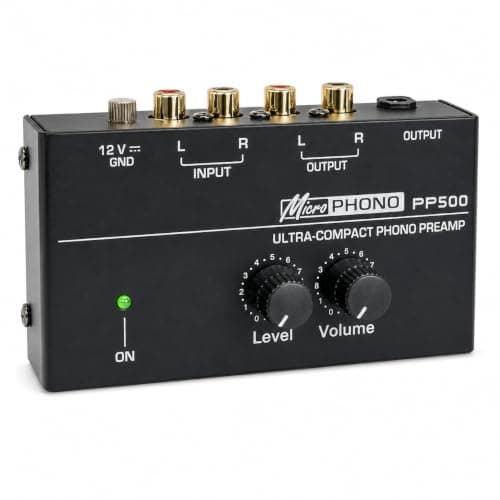
The cartridge is the heart of a turntable's sound, so choosing the right one is one of the most rewarding upgrades a vinyl listener can make. Because the cartridge translates the physical groove into an electrical signal, its design shapes clarity, tonal balance, and how gently it treats your records. With so many options, though, the choice can feel overwhelming. Focusing on a few practical factors narrows the field quickly.
Products from this article
The highest-scoring picks from the buying guides this article links to. Scores are our editorial assessment, not customer ratings.
+ Switchable MM and MC modes cover most turntable cartridges.
From our guide: Best Phono Preamps (2026)
+ Phono inputs connect a turntable without an extra preamp
From our guide: Best Vintage-Style Receivers for Vinyl (2026)
+ 1/2" mount and 4-pin connector fit most standard phono cartridges
From our guide: Best Headshells (2026)
+ Low noise design improves on basic built-in turntable preamps
From our guide: Best Phono Preamps (2026)
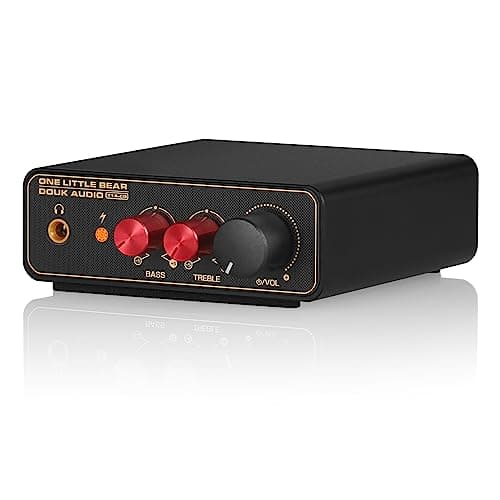


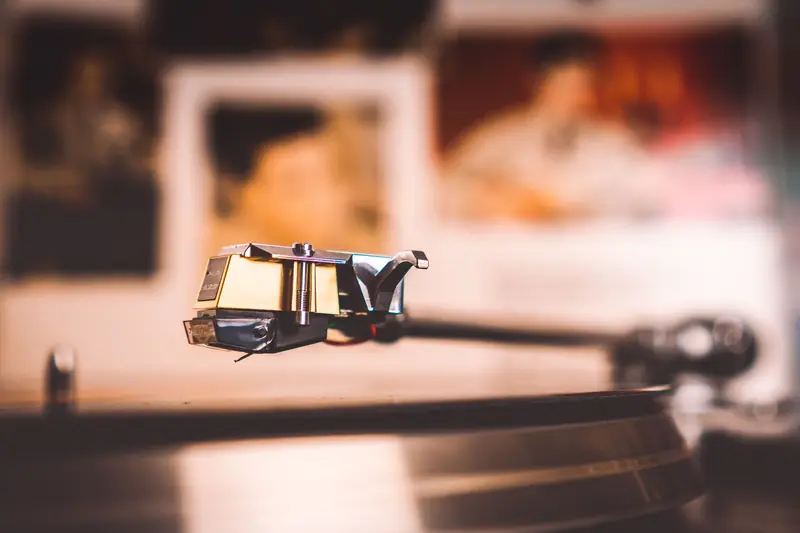
Start with compatibility, because the best-sounding cartridge is useless if it does not fit your turntable. Cartridges mount to the headshell in standard ways, most commonly with two screws, and you need one that suits your tonearm. Just as important is matching the cartridge to your phono stage. A moving magnet cartridge works with the common phono inputs on most gear, while a moving coil design often needs a specialized phono stage with extra gain, so confirm what your system supports before buying.
Next consider the stylus profile, since the shape of the stylus tip affects both sound and record wear. A basic conical tip is affordable and forgiving, while an elliptical tip traces more of the groove and often sounds clearer, especially on inner grooves. More advanced profiles refine this further at higher cost. Think about where you sit on the spectrum of budget and performance, since a better stylus profile is one of the clearest paths to improved sound.
Tracking ability and how the cartridge suits your tonearm matter too. A cartridge that tracks well stays planted in the groove through demanding passages, which protects your records and keeps distortion low. Cartridge and tonearm compliance ideally suit each other, so a cartridge recommended for typical tonearms is a safe bet for most setups. If you have an unusual arm, a little research into matching pays off, but most common combinations work well together.
Finally, weigh your budget against the rest of your system, since a cartridge should be balanced with the turntable and phono stage around it. A hugely expensive cartridge on a basic deck may not reach its potential, while a thoughtful upgrade on a capable turntable can transform the sound. Confirm fit and phono-stage compatibility first, choose a stylus profile that matches your goals, and pick a cartridge that suits your tonearm and budget for a satisfying result.
Popular right now
- How to Ground a Turntable and Eliminate HumArticle
- How to Align a Phono Cartridge for Accurate TrackingArticle
- RIAA equalization explainedGlossary
- Setting Tracking ForceArticle
- Best Stylus Cleaners for Vinyl (2026)Buying guide
- How to Fix a Turntable Playing Through Only One ChannelArticle
Based on the last 28 days of search and visitor data.