How to Clean Vinyl Records the Right Way
Published How we research
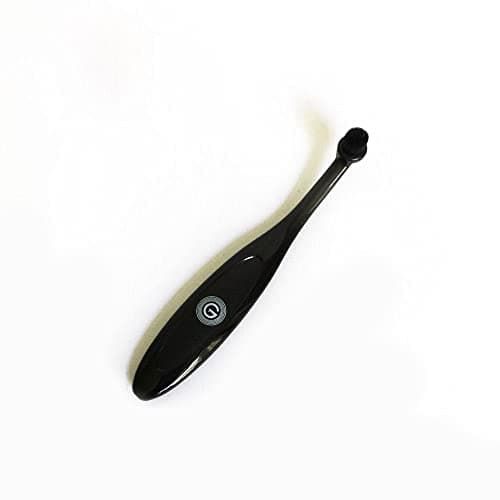
Clean records sound better and last longer, so learning to clean vinyl properly is one of the best habits you can build. Dust and grime in the grooves cause surface noise, pops, and clicks, and over time embedded debris can wear both the record and your stylus. The key is to clean gently and consistently, using the right tools and avoiding the common mistakes that scratch grooves or leave residue behind. Even a simple routine makes an audible difference.
Products from this article
The highest-scoring picks from the buying guides this article links to. Scores are our editorial assessment, not customer ratings.
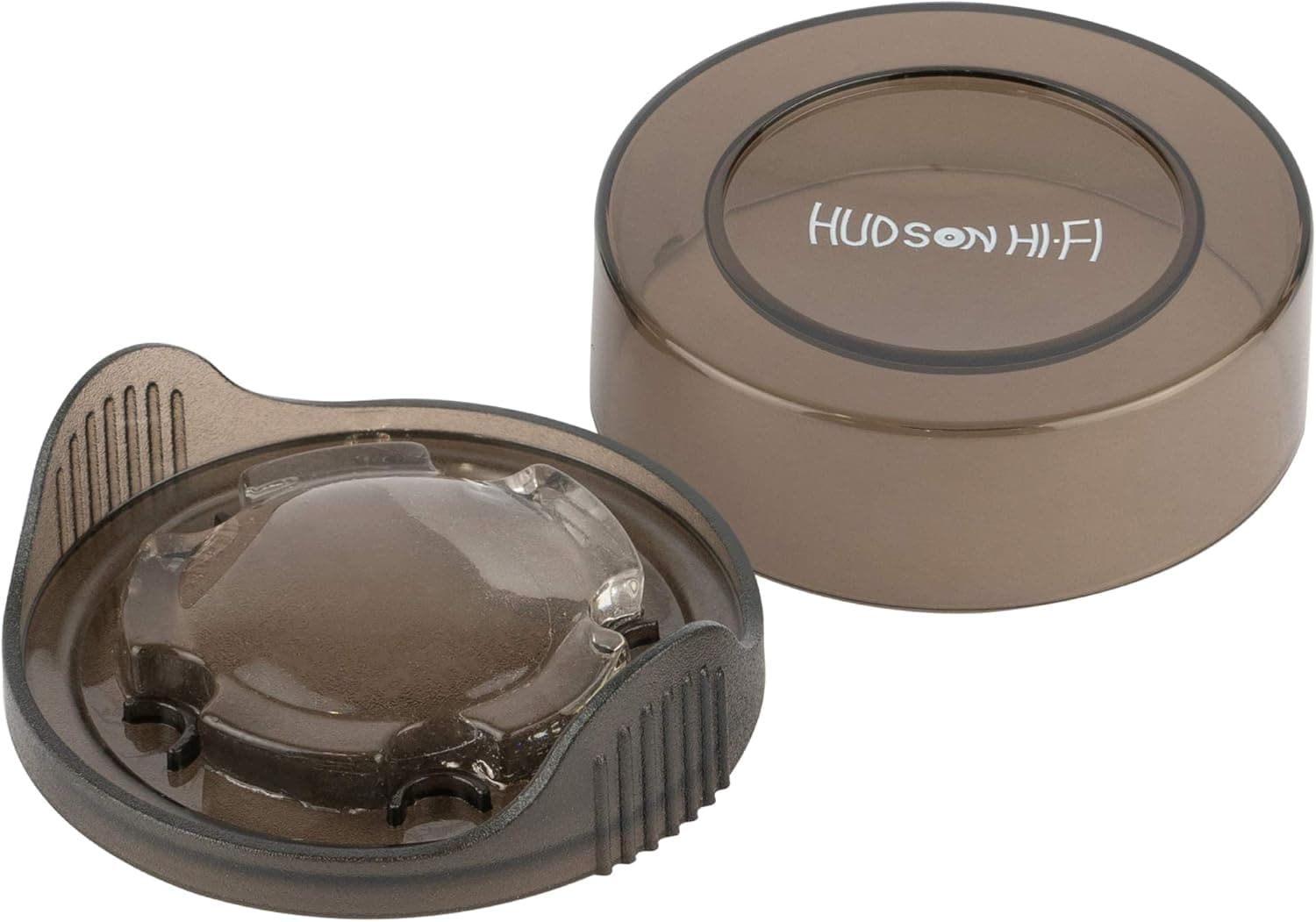
+ Reusable gel bubble can be rinsed and used many times
From our guide: Best Stylus Cleaners for Vinyl (2026)
+ Spin-Clean name is well known among vinyl collectors
From our guide: Best Record Cleaning Brushes for Vinyl (2026)
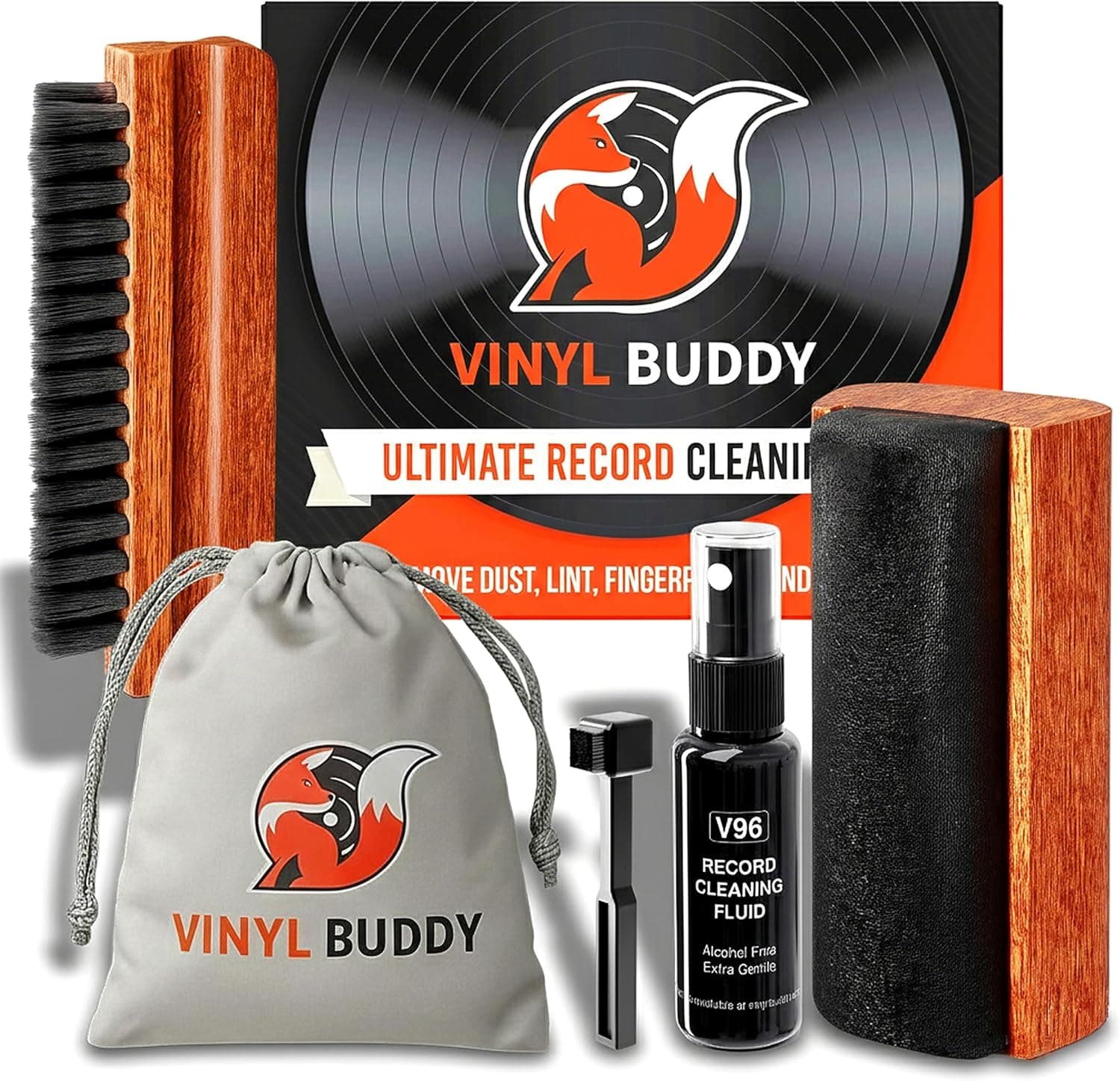
+ Two brush types handle both dry dusting and wet cleaning
From our guide: Best Record Cleaning Solutions for Vinyl (2026)
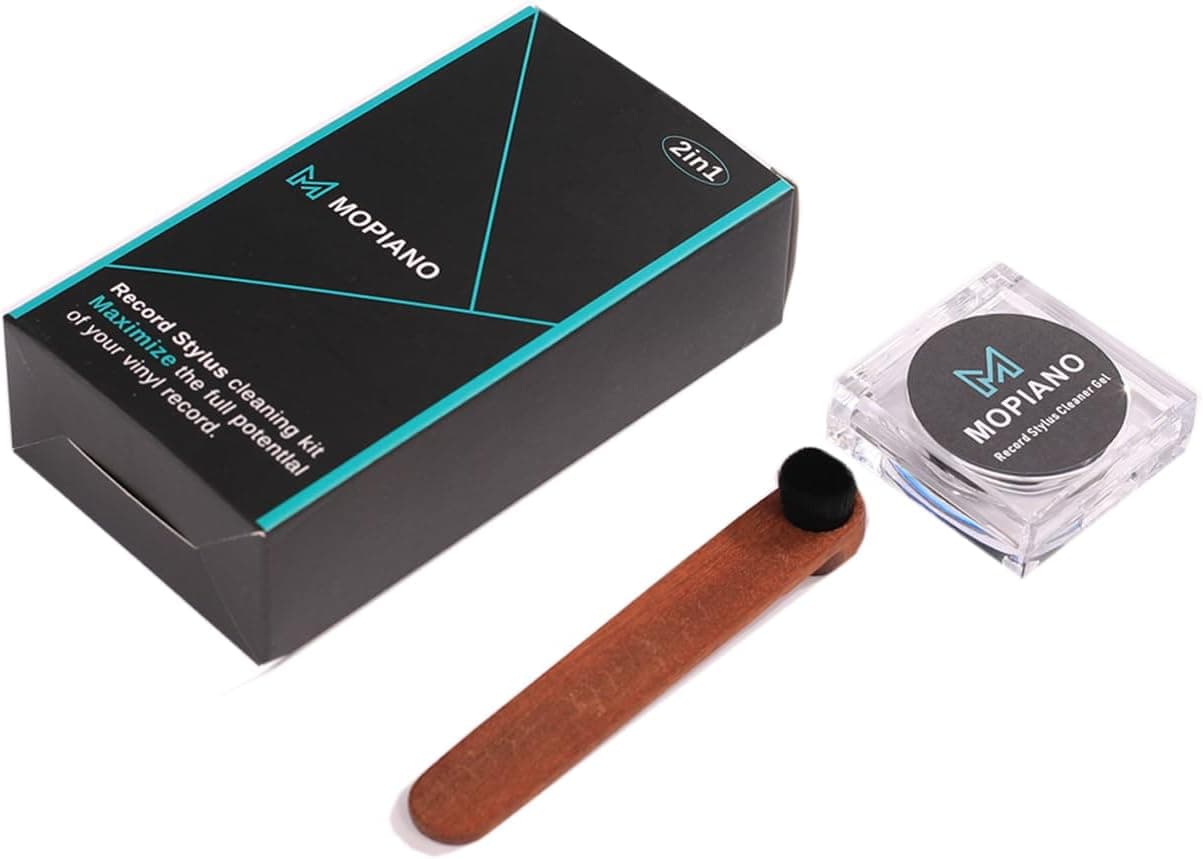
+ Gel and brush give two gentle ways to clean the needle
From our guide: Best Stylus Cleaners for Vinyl (2026)

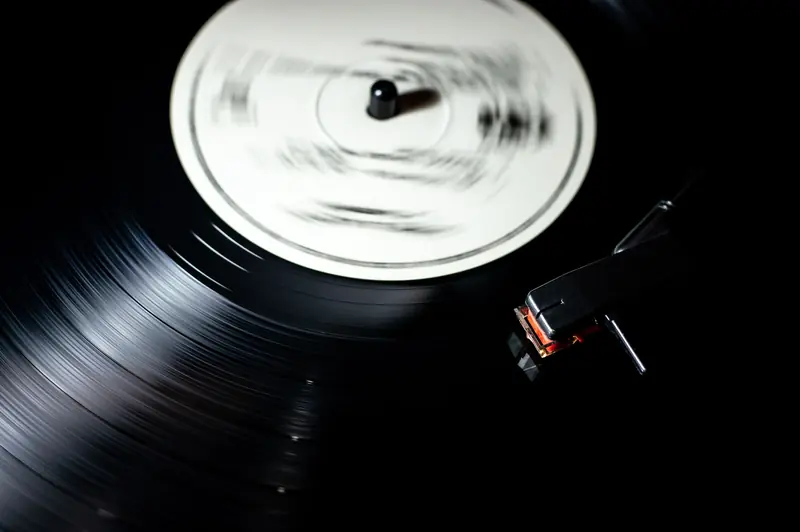
For everyday care, a carbon fiber brush handles light dust before each play. Rest the brush lightly on the record while it spins on the platter, letting the fine bristles lift dust from the grooves, then sweep it toward the edge. This takes seconds and prevents most surface noise from ever building up. Always brush in the direction of the groove rather than across it, and never press hard, since the goal is to lift dust, not grind it deeper.
For records that need more than a dusting, a wet cleaning removes fingerprints and stubborn grime. A dedicated record cleaning solution and a soft, lint-free applicator pad let you work fluid gently into the grooves following their circular path. Avoid household cleaners, alcohol-heavy mixes on certain records, and paper towels that can leave fibers and micro-scratches. Keep the label dry, since moisture can stain or lift it.
Drying matters as much as washing, because leftover moisture attracts dust and can leave residue. After a wet clean, lift excess fluid with a clean microfiber cloth and let the record finish air drying on a rack or a clean, soft surface before you sleeve it. Never return a damp record to its sleeve, and never stack wet records. Patience here prevents you from trapping moisture and grime against the surface you just cleaned.
For serious collectors, dedicated cleaning machines and ultrasonic systems take the results further, but they are optional. A careful hands-on routine keeps most collections sounding excellent. The real secret is consistency, since a quick brush before every play and an occasional deeper clean prevent the buildup that causes lasting damage. Treat your records gently and store them clean, and they will reward you with quiet backgrounds and long life.
Popular right now
- How to Ground a Turntable and Eliminate HumArticle
- How to Align a Phono Cartridge for Accurate TrackingArticle
- RIAA equalization explainedGlossary
- Setting Tracking ForceArticle
- Best Stylus Cleaners for Vinyl (2026)Buying guide
- How to Fix a Turntable Playing Through Only One ChannelArticle
Based on the last 28 days of search and visitor data.