How to Fix a Warped Record: What Works, What Does Not and What to Avoid
Published How we research
A warped record is one that is no longer flat, and it can make the tonearm rise and fall, the stylus skip or the sound wobble. Many warped records are never fully recoverable, but some mild cases can be improved, and others still play acceptably with the right setup. This guide explains how to tell a warp from other problems, what you can safely try, and why home heat tricks are risky. It also covers how to prevent warping in the first place, because storage and handling habits matter much more than any repair.
Products from this article
The highest-scoring picks from the buying guides this article links to. Scores are our editorial assessment, not customer ratings.
As an Amazon Associate we earn from qualifying purchases. This does not change our picks. Affiliate disclosure
New to Prime? Try Prime free for fast, free shipping on eligible items.
+ Silver finish complements Pro-Ject and silver hi-fi decks
From our guide: Best Record Clamps for Vinyl (2026)
+ Bubble level helps you set the turntable perfectly flat
From our guide: Best Record Weights for Vinyl (2026)
+ 100+ record capacity stores a large share of a collection in one place
From our guide: Best Record Storage Crates for Vinyl (2026)
+ 260-280 LP capacity stores a large collection in one rack
From our guide: Best Record Shelves for Vinyl (2026)
How to tell if a record is warped
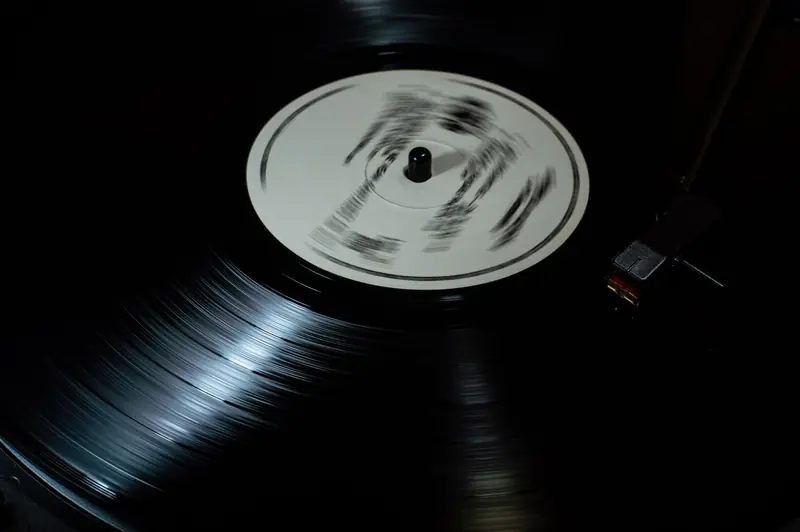
Hold the record at eye level and look along its surface, or lay it on a flat table and look at the edge for gaps. A dish warp curves the whole record like a shallow bowl. A wave warp, sometimes called a potato-chip warp, rises and falls around the edge. You can also watch the record turn on the platter and see whether the outer edge rises and falls.
Sound clues include a slow, regular pitch wobble, a tonearm that visibly bobs up and down, or a stylus that jumps once per rotation. These symptoms can also be caused by an off-center pressing, a worn stylus or a loose cartridge, so compare the record with a flat one before blaming the disc. A small amount of warp is common and often harmless.
Why records warp
Vinyl is a plastic that softens with heat and keeps stress from manufacturing, so it is sensitive to its environment. Leaving records in a hot car, in direct sunlight, near a radiator or in a hot attic can warp them quickly. Storing records leaning at an angle, stacked flat in heavy piles or squeezed too tightly can also deform them over time.
Some warping comes from the pressing itself, especially on thin or lightweight pressings. A new record can arrive with a slight warp that was never caused by the owner. Whatever the cause, a warp is a change in shape, and reversing it is difficult because it has to be done without damaging the grooves.
Playing a warped record with less trouble
For mild warps, the best fix is often a setup change. A record clamp or weight can press the record against the mat and flatten some of the bend while it plays. Turntable makers usually give limits for the weight a platter and bearing can support, so check the manual before adding anything heavy. Some clamps screw onto the spindle and others rest on top.
A mat that grips the record can help too. Make sure the tracking force is set within the recommended range, because too light a force lets the stylus bounce on the warp. If the record still bounces, stop playing it, because repeated skipping can damage the groove and stylus. A badly warped record is often best treated as display or kept for another day.
Home flattening methods and their risks
You will find online tutorials suggesting pressing a record between glass plates in the sun, using an oven, or heating it under books. These methods are risky. Too much heat can melt grooves, deform the label area or leave the record with new warps, and a record can be ruined in a few minutes. Results are inconsistent even when people report success.
If you decide to attempt it on a record you do not value, use clean, flat, smooth surfaces, protect the record from contact with dust, and keep the temperature low and well controlled. Do not use a kitchen oven unattended. Never try these methods on a valuable or rare record. There is no guarantee, and treating the record as expendable is the safer mindset.
When to use a professional
Some specialist services and record restoration shops offer flattening using controlled heat and pressure. Results depend on the type and severity of the warp, and they rarely promise a perfect result. If the record is valuable or rare, a professional is a better choice than a home experiment. Ask about their method and what happens if it does not work.
For common pressings that you can replace cheaply, the practical answer may simply be to buy a new copy. Weigh the value and your attachment to the record against the time and risk of repair. A flat replacement often delivers a better listening experience than a repaired original.
Preventing warps
Store records upright, like books, with enough support that they do not lean. Keep them away from heat sources and sunlight, and never leave them in a parked car. Use sturdy shelves or crates, keep records in inner and outer sleeves, and do not pack them so tightly that they bend. Return each record to its sleeve after playing.
When moving records, carry them upright in a box, not stacked in a heavy pile. Keep the room at a comfortable, stable temperature. These steps reduce most problems, and they also protect the sleeves and surfaces. Good storage is the best repair you can make.
Frequently asked questions
Can a warped record damage my stylus? A strong warp can make the stylus bounce and lose contact, which may harm the groove and the stylus. Stop playing a record that makes the arm leap, and try it with a clamp or on a different turntable before deciding it is unplayable.
Is a slight warp normal? Many records have a small amount of warp and still play well, since the tonearm can follow gentle movement. Whether it matters depends on the severity, the arm, the cartridge and the tracking force.
Does a warped record sound bad? Mild warps may cause nothing more than a slight low-frequency rumble or wobble in pitch, especially noticeable on long piano notes. Severe ones can cause skipping and repeated groove contact.
Popular right now
- How to Ground a Turntable and Eliminate HumArticle
- How to Align a Phono Cartridge for Accurate TrackingArticle
- RIAA equalization explainedGlossary
- Setting Tracking ForceArticle
- Best Stylus Cleaners for Vinyl (2026)Buying guide
- How to Fix a Turntable Playing Through Only One ChannelArticle
Based on the last 28 days of search and visitor data.