How to Set Up a Turntable
Published How we research
Level the plinth on a sturdy stand away from speakers, fit the platter and belt (if belt-drive) and mount the cartridge with the stylus guard on. Balance the tonearm to float level with anti-skate at zero, then dial in the cartridge maker's recommended tracking force and a matching anti-skate value. Connect via a built-in phono preamp switch or an external phono stage, attach the ground wire to kill hum, then test with a disposable record before playing anything precious. Setting up a turntable for the first time can feel intimidating, but the process is logical once you break it into steps. Start by placing the turntable on a sturdy, level surface away from your speakers. A heavy shelf or a dedicated audio stand works better than a flimsy table that flexes when you walk past it. Use a small bubble level on the platter to confirm the deck sits perfectly flat in both directions, because a tilted platter puts uneven pressure on the stylus and record groove.
Products from this article
The highest-scoring picks from the buying guides this article links to. Scores are our editorial assessment, not customer ratings.
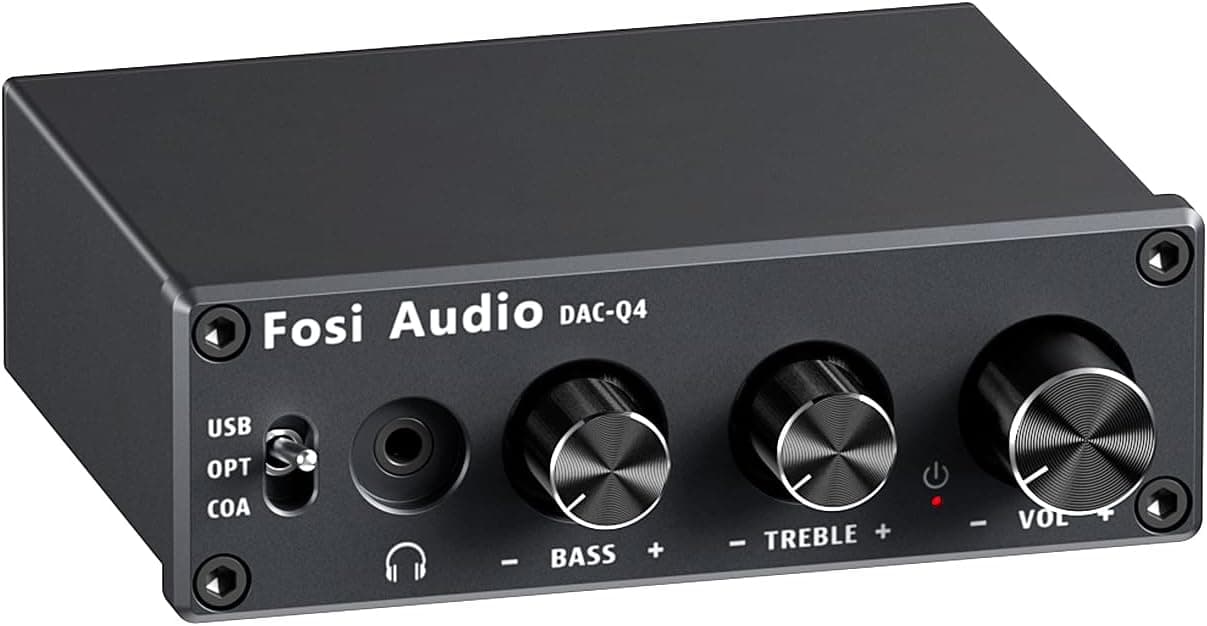
+ Dual ES9039Q2M DAC chips aim at very low distortion playback
From our guide: Best Headphone Amps (2026)
+ LED light highlights the album cover in dim rooms
From our guide: Best Now Playing Stands for Vinyl (2026)
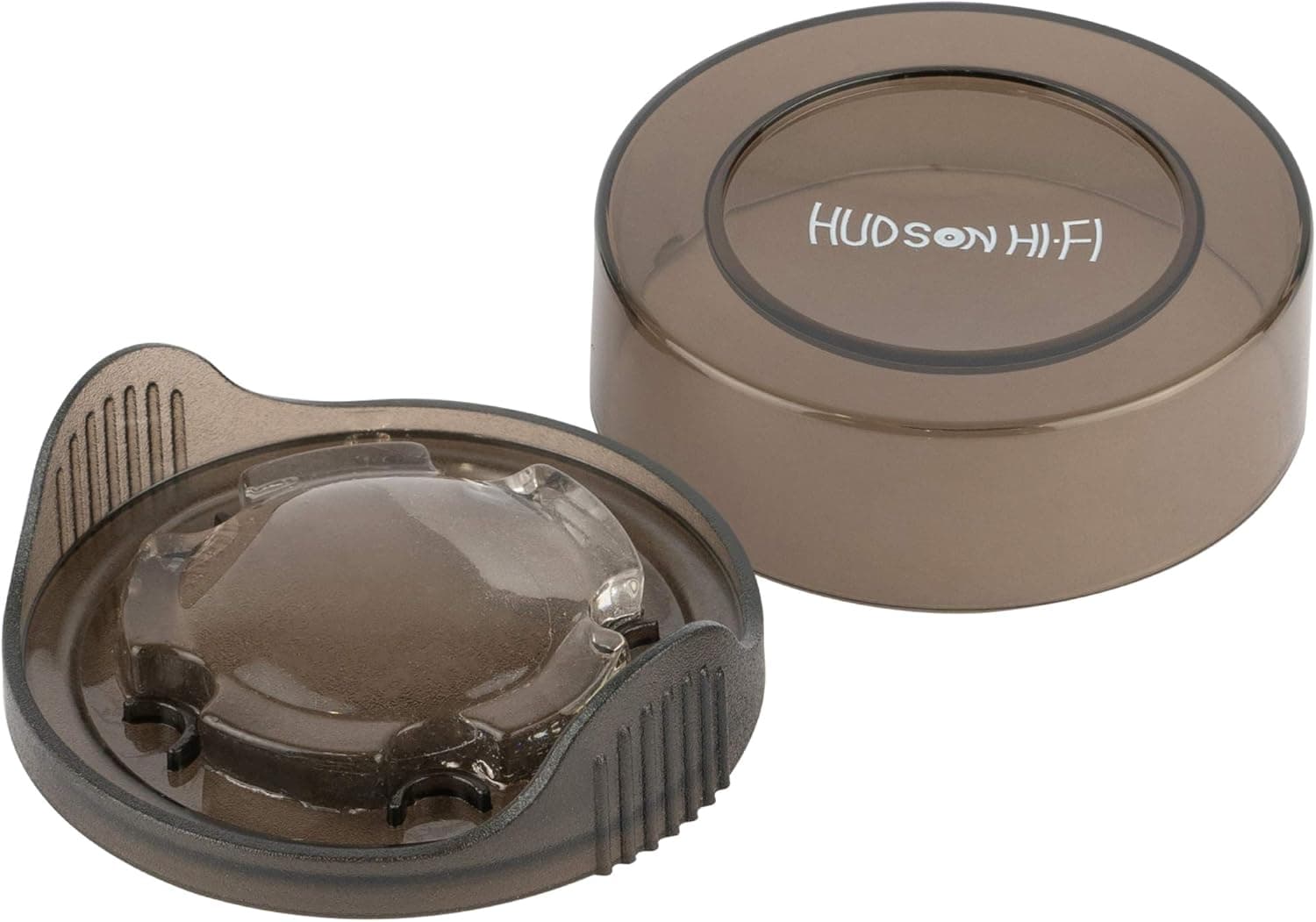
+ Reusable gel bubble can be rinsed and used many times
From our guide: Best Stylus Cleaners for Vinyl (2026)
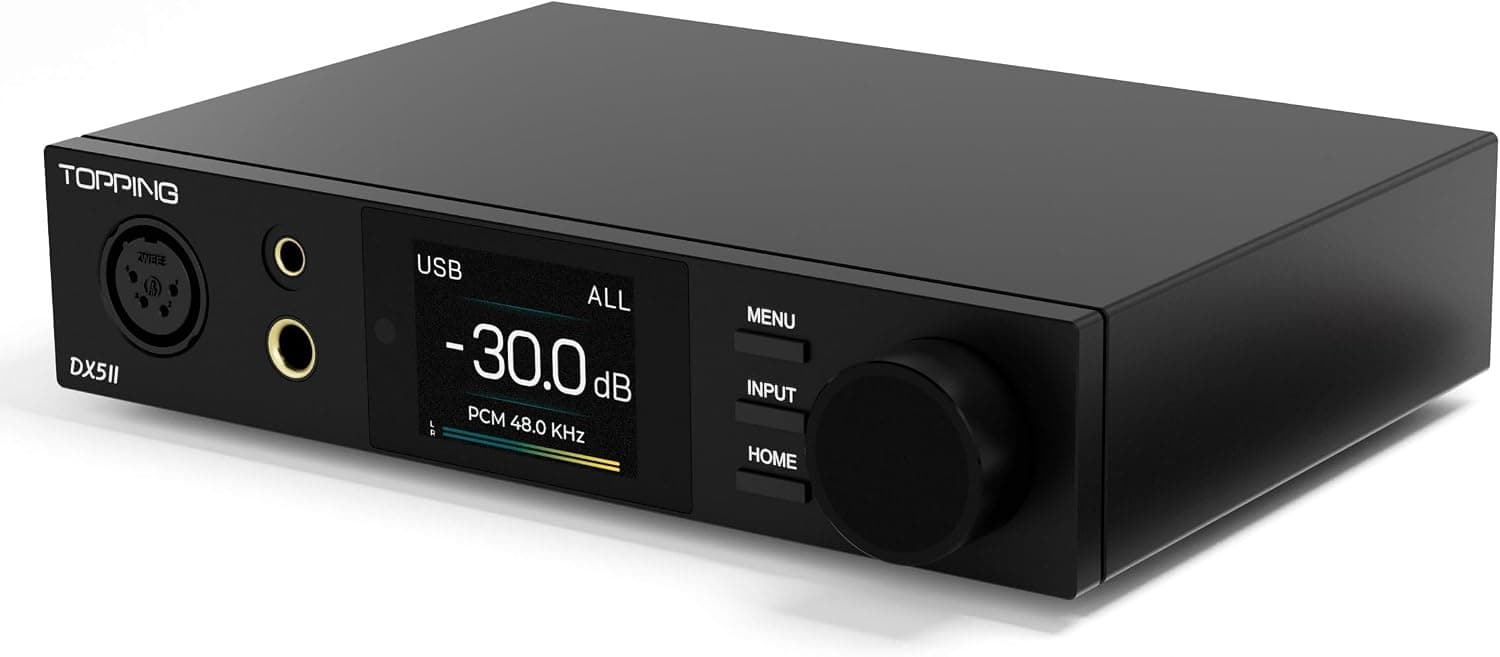
+ Balanced headphone output delivers more power and channel separation
From our guide: Best Headphone Amps (2026)

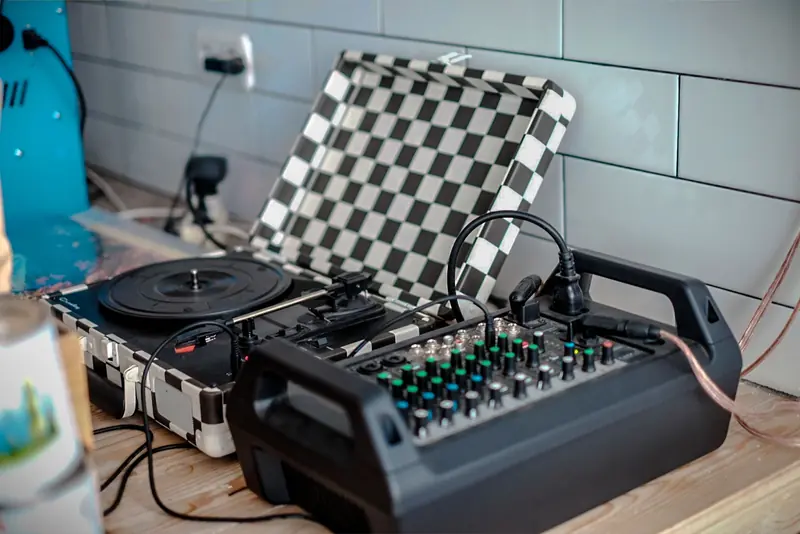
Fitting the platter, belt, and cartridge
Next, fit the platter and drive belt if your model uses one. Belt-driven decks usually ship with the belt loose in the box, and you loop it around the motor pulley through an access window in the platter. Set the mat on top, then install the cartridge into the headshell if it did not come pre-mounted. Take your time here and keep the stylus guard on so you do not damage the delicate needle while you tighten the screws.
Balancing the tonearm and setting tracking force
Balancing the tonearm is the step most beginners rush, and it matters the most. With the anti-skate set to zero, adjust the counterweight until the arm floats level and parallel to the record surface. This is your zero point. From there, dial in the tracking force recommended by your cartridge maker using the numbered ring on the counterweight, then set the anti-skate to a similar value. These settings keep the stylus centered in the groove and protect both your records and your needle.
Connecting to your system
Connect the turntable to your system based on the type of output it has. Some decks include a built-in phono preamp with a line-level output and a small switch on the back, while others send a faint phono signal that needs an external preamp or a phono input on your amplifier. Do not forget the ground wire if your table has one, since attaching it to a grounding post on your amp removes the hum you might otherwise hear.
Test before you trust it
Before you drop the needle on a favorite record, play a disc you do not mind risking to confirm everything tracks smoothly and the speed is correct. Listen for consistent pitch and check that the arm does not drift across the record on its own. Once you are confident the setup is stable, you can relax and enjoy the ritual of playing vinyl knowing your gear is dialed in and your collection is protected.
Frequently asked questions
How do I level a turntable? Place it on a sturdy, level surface away from speakers and use a small bubble level on the platter to confirm it sits flat in both directions, since a tilted platter puts uneven pressure on the stylus.
How do I balance a turntable tonearm? Set anti-skate to zero, then adjust the counterweight until the arm floats level and parallel to the record surface. That is your zero point before dialing in tracking force.
Do I need a phono preamp to set up a turntable? Only if your turntable and amplifier do not already have one. Some decks include a built-in phono preamp with a switch on the back; some amps have a dedicated phono input.
Why is my turntable humming? Likely a missing ground connection. Attach the turntable's ground wire to a grounding post on your amplifier to remove the hum.
Popular right now
- How to Ground a Turntable and Eliminate HumArticle
- How to Align a Phono Cartridge for Accurate TrackingArticle
- RIAA equalization explainedGlossary
- Setting Tracking ForceArticle
- Best Stylus Cleaners for Vinyl (2026)Buying guide
- How to Fix a Turntable Playing Through Only One ChannelArticle
Based on the last 28 days of search and visitor data.