Matching an Amp to Speakers
Published How we research
A great amplifier and great speakers can still disappoint if they are poorly matched, so pairing them thoughtfully is essential for a satisfying vinyl system. The relationship between an amp and speakers determines how loud and clean your music plays and whether the combination sounds effortless or strained. You do not need an engineering degree to get this right, just an understanding of a few key ideas and how they relate to your room and listening habits.
Products from this article
The highest-scoring picks from the buying guides this article links to. Scores are our editorial assessment, not customer ratings.
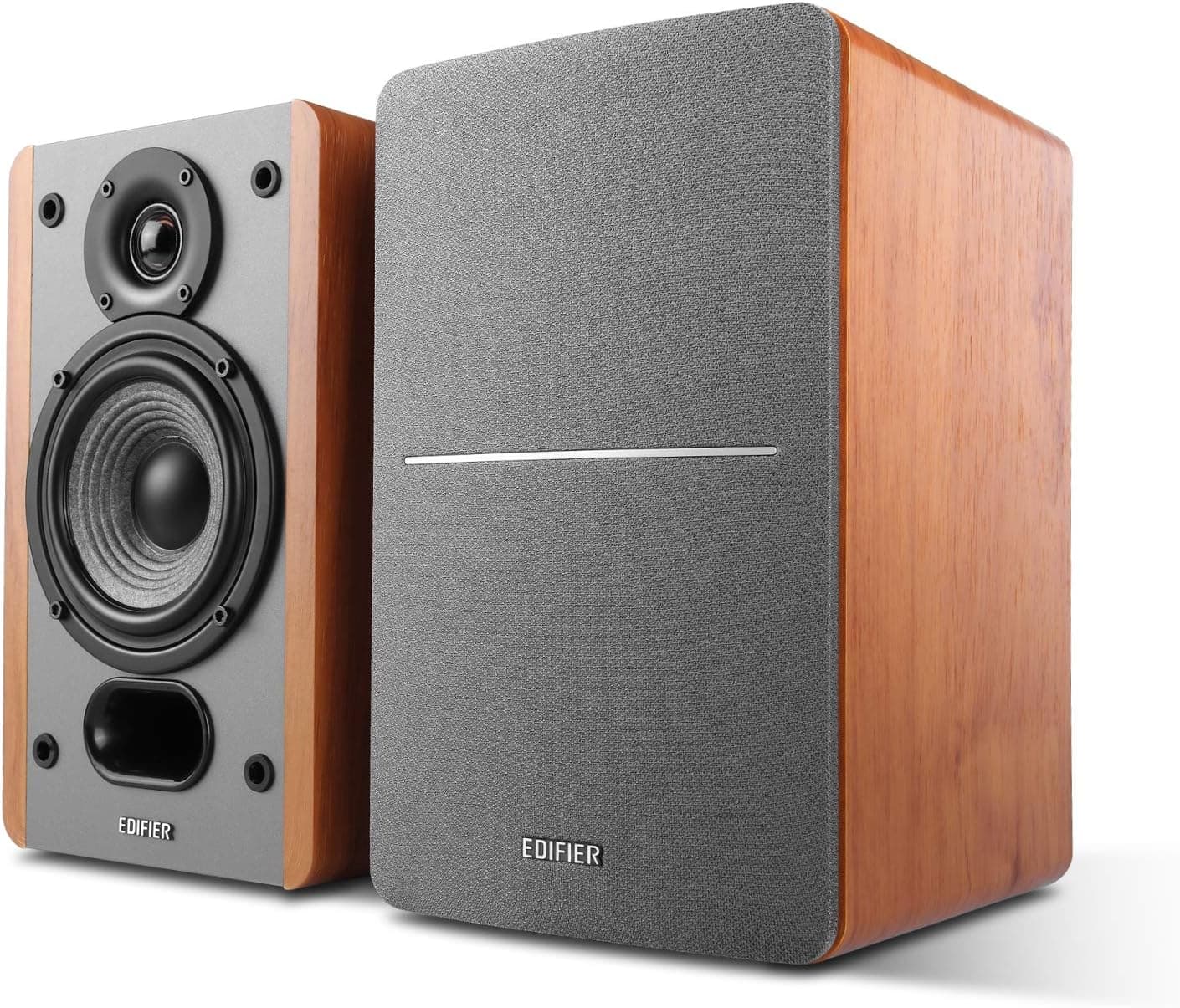
+ G2 update refines the original MB42X's tuning and build
From our guide: Best Passive Speakers for Vinyl (2026)
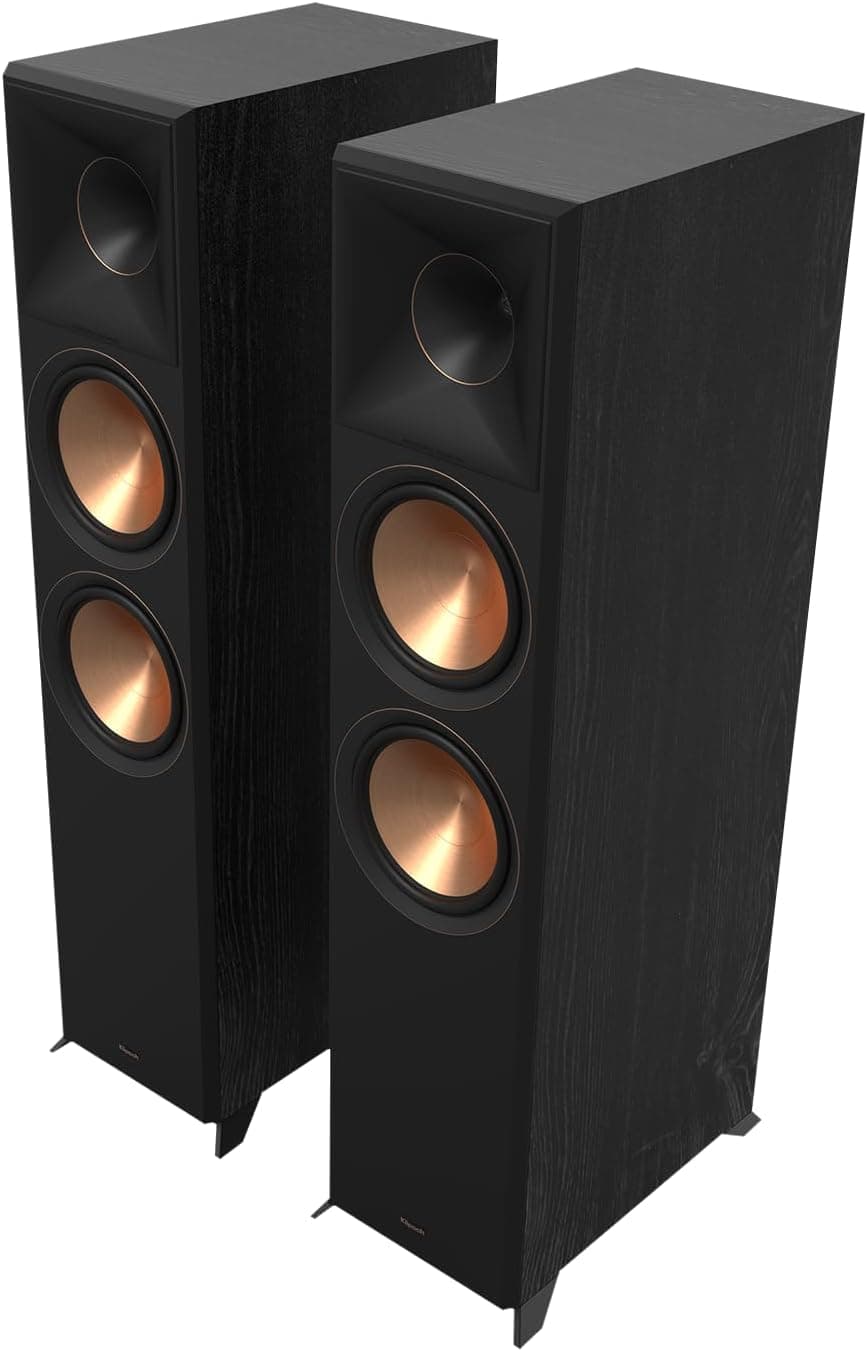
+ Mark II update refines the RP-8000F's sound and cabinet
From our guide: Best Floorstanding Speakers for Vinyl (2026)
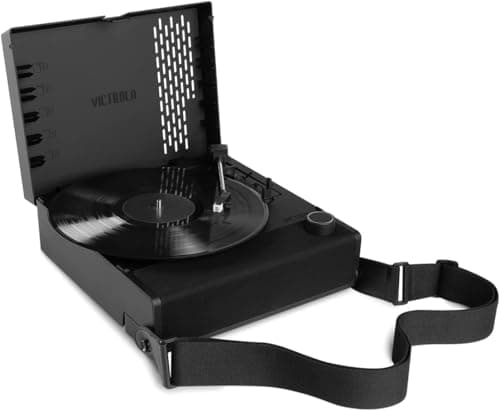
+ Rechargeable battery is rated for 12 hours, enough for a day at the park or beach without an outlet
From our guide: Best Portable Turntables (2026)
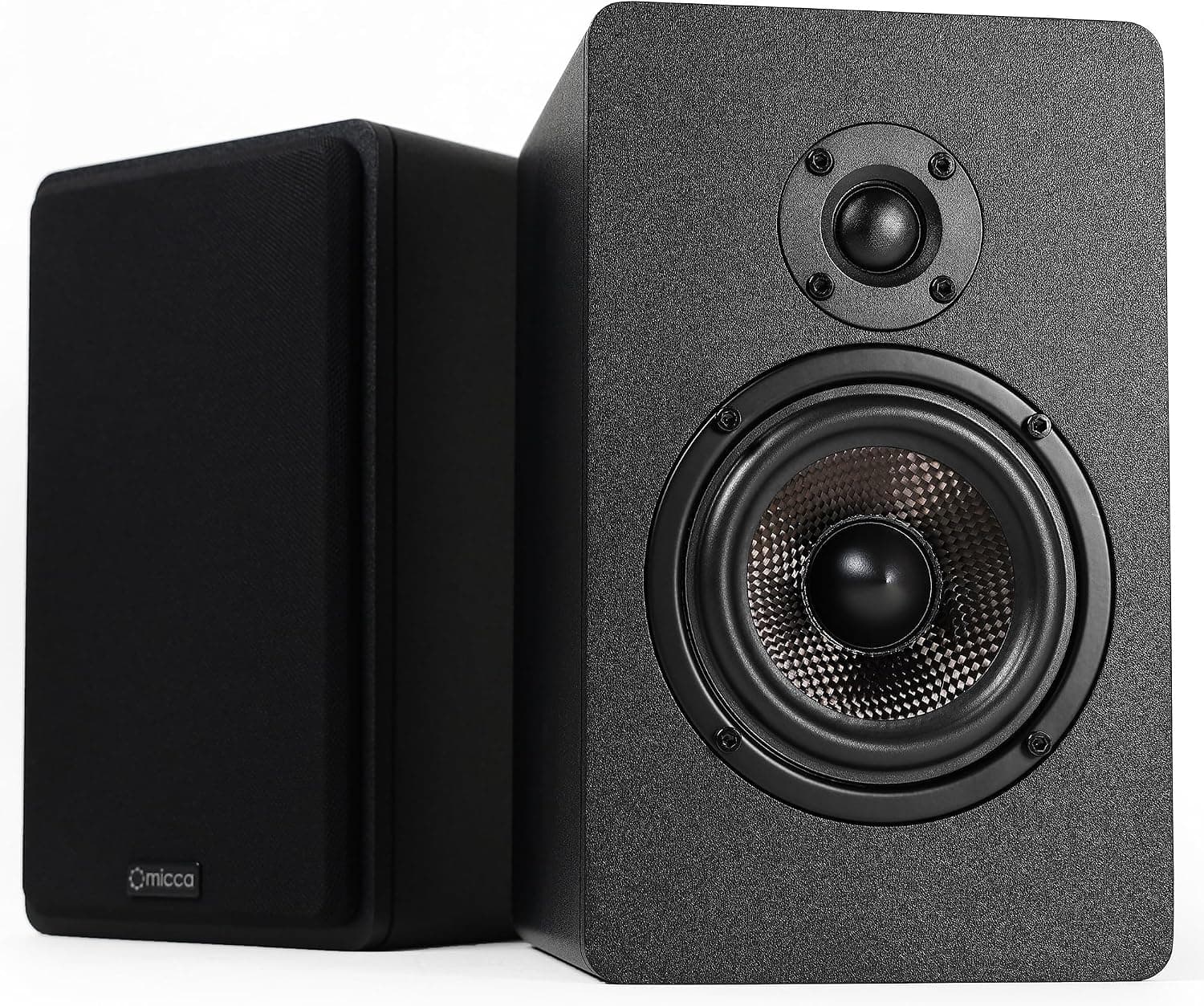
+ 2-way design with a separate tweeter keeps vocals and cymbals clear
From our guide: Best Passive Speakers for Vinyl (2026)
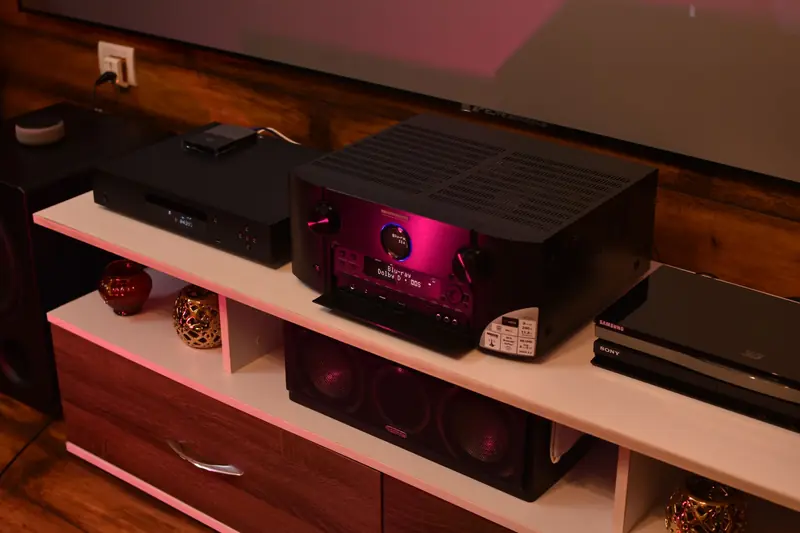
Power is the specification most people focus on, but it is easy to misread. An amplifier's power rating and a speaker's power handling should be in the same general ballpark, but you rarely use anywhere near full power in normal listening. More important is having enough clean power to drive your speakers to your preferred volume without the amp running out of headroom and distorting. Underpowering speakers and pushing the amp into clipping can actually damage speakers more than a comfortably powerful amp will.
Speaker sensitivity ties directly to how much power you need. A more sensitive speaker plays louder on less power, so it pairs happily with a modest amplifier. A less sensitive speaker needs more power to reach the same volume, which calls for a beefier amp, especially in a large room. Reading sensitivity alongside power tells you far more about a real-world match than either number alone, so consider them together.
Impedance is the third piece, describing the electrical load the speaker presents to the amp. Most amplifiers are designed to work with common speaker impedances, and trouble usually arises only with unusually demanding speakers that dip to low impedances. For typical home gear, matching stated impedance ranges keeps the amp comfortable. If your speakers are known to be a hard load, choose an amp built to handle it rather than one that will overheat or protect itself mid-song.
Finally, factor in your room and how loud you actually listen. A small room at moderate volume asks little of an amp, while a large room and a love of high volume demand more. Aim for a pairing with a little headroom to spare so the system stays relaxed and clean at your loudest, and you will enjoy a sound that never feels stressed. Match power, sensitivity, and impedance to your space, and the electronics will get out of the way of the music.
Popular right now
- How to Ground a Turntable and Eliminate HumArticle
- How to Align a Phono Cartridge for Accurate TrackingArticle
- RIAA equalization explainedGlossary
- Setting Tracking ForceArticle
- Best Stylus Cleaners for Vinyl (2026)Buying guide
- How to Fix a Turntable Playing Through Only One ChannelArticle
Based on the last 28 days of search and visitor data.