Setting Anti-Skate on Your Turntable
Published How we research

As a record plays, the pivoting tonearm's geometry and stylus friction create an inward skating force toward the spindle. Anti-skate applies an adjustable outward force (weight, spring, or magnet) to counter it. A sensible starting point is setting anti-skate close to your tracking force value, then fine-tuning by ear or with a channel-balance test record. Too little lets the stylus dig into the inner groove wall; too much overcorrects toward the outer wall. Recheck it whenever you change cartridges or tracking force. Anti-skate is one of those turntable adjustments that sounds mysterious but solves a very real physical problem. As a record plays, the tonearm experiences a force that pulls it inward toward the center of the record. Anti-skate applies a gentle opposing force to counter that pull, keeping the stylus balanced in the groove. Setting it correctly improves tracking, reduces distortion, and helps both channels wear evenly, so it is worth understanding.
Products from this article
The highest-scoring picks from the buying guides this article links to. Scores are our editorial assessment, not customer ratings.
+ Hinged design lifts open without removing the whole lid
From our guide: Best Turntable Dust Covers for Vinyl (2026)
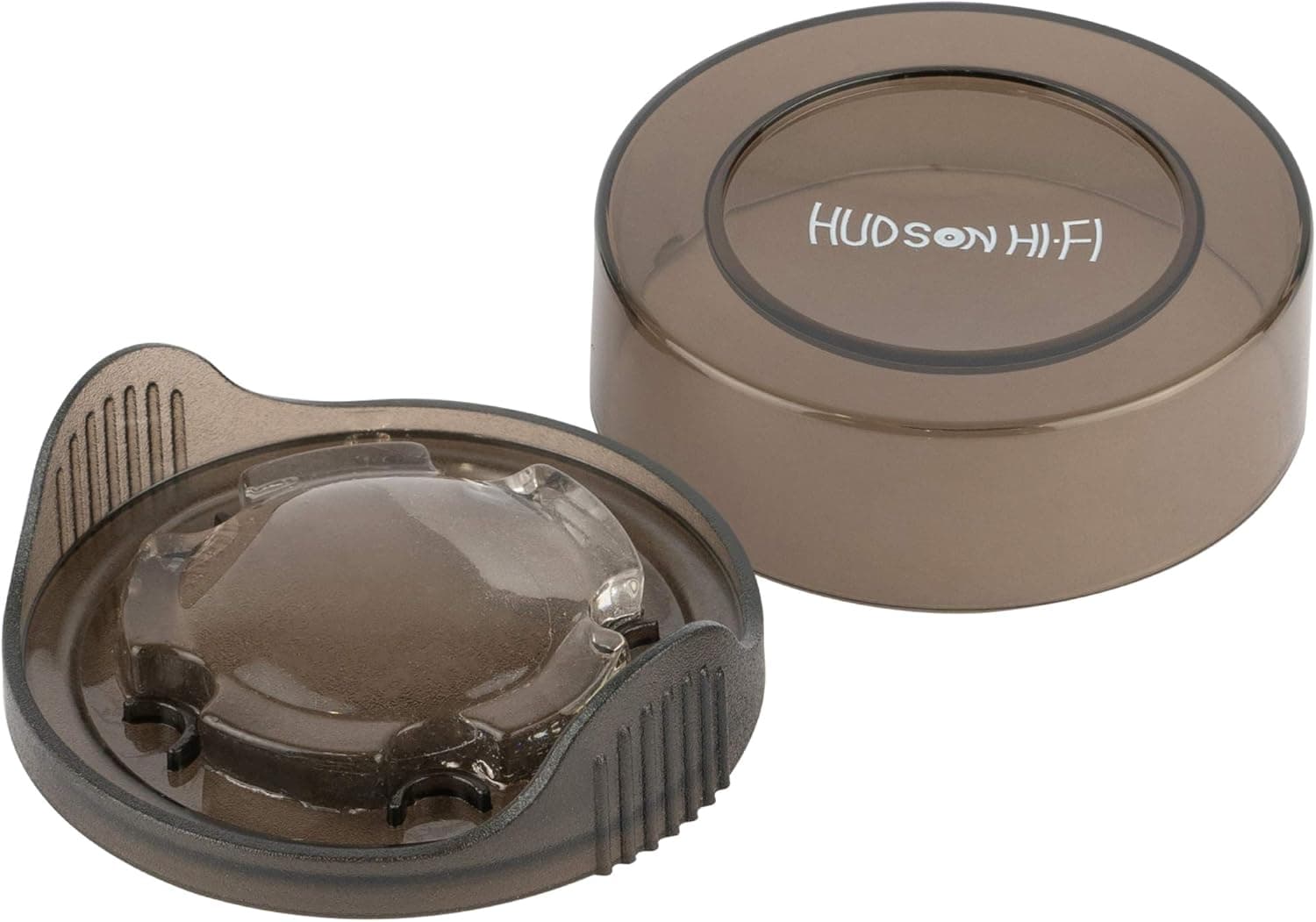
+ Reusable gel bubble can be rinsed and used many times
From our guide: Best Stylus Cleaners for Vinyl (2026)
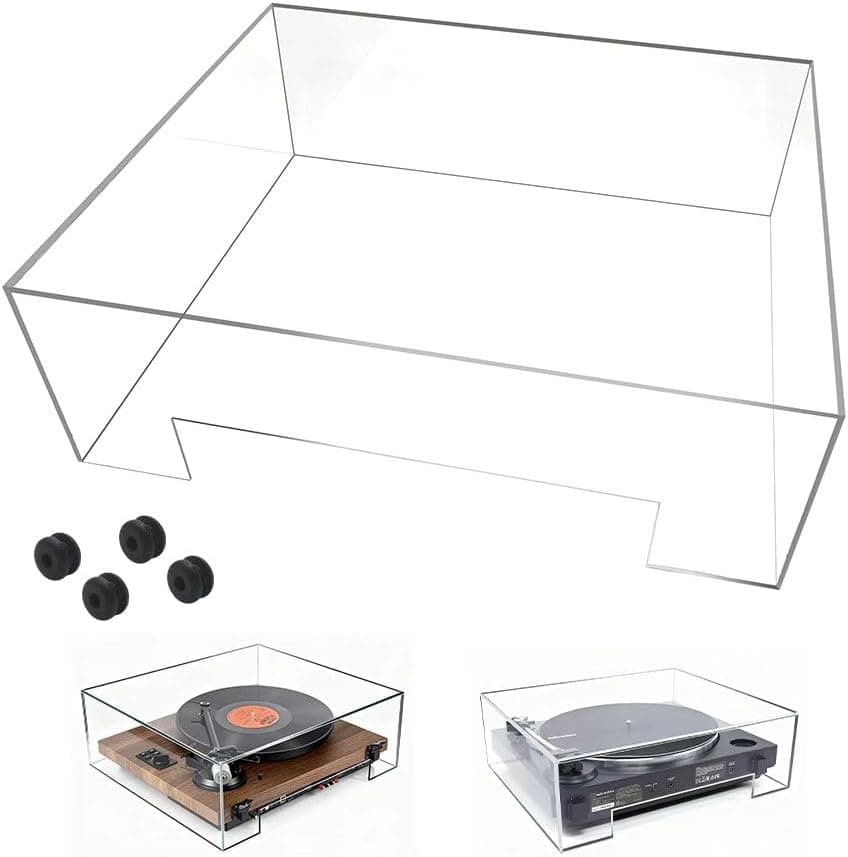
+ Rear cable access lets the cover sit flat over connected decks
From our guide: Best Turntable Dust Covers for Vinyl (2026)
+ Gel and brush give two gentle ways to clean the needle
From our guide: Best Stylus Cleaners for Vinyl (2026)



The inward pull: what causes skating force
The inward pull, called skating force, arises from the geometry of a pivoting tonearm and the friction of the stylus in the groove. Because the arm swings on a pivot rather than moving in a straight line, the drag on the stylus creates a sideways force toward the spindle. Left uncorrected, this pushes the stylus harder against the inner groove wall than the outer one, unbalancing the pressure between the two stereo channels.
How anti-skate counters it
Anti-skate counteracts this with an adjustable outward force, applied by a small weight, spring, or magnet depending on the turntable. The control is usually a dial or knob near the tonearm base, often marked with numbers. As a practical starting point, many people set the anti-skate to a value matching or close to the tracking force, since the two are related. This is not a strict rule but a sensible baseline that gets most setups very close.
The consequences of getting it wrong
Getting it wrong in either direction has audible consequences. Too little anti-skate lets the skating force dominate, which can cause mistracking and distortion in the right channel and, in extreme cases, the stylus skating across the record. Too much anti-skate overcorrects, pushing the stylus against the outer wall and unbalancing things the other way. The goal is balance, where neither groove wall bears more than its fair share of the pressure.
Setting it in practice
For most listeners, setting anti-skate near the tracking force and then trusting your ears works well. If you want to be precise, listen for balanced, clean tracking on demanding passages, or use a test record designed to reveal channel balance. Recheck anti-skate whenever you change cartridges or adjust tracking force, since they interact. Dialed in correctly, anti-skate keeps the stylus centered, protects your records, and lets both channels sound their best.
Frequently asked questions
What does anti-skate do on a turntable? It applies a gentle outward force to counter the inward skating force created by a pivoting tonearm's geometry, keeping the stylus balanced between both groove walls.
What should I set anti-skate to? A sensible starting point is a value close to your tracking force, then fine-tune by listening for balanced, clean tracking or using a channel-balance test record.
What happens if anti-skate is set too high? It overcorrects, pushing the stylus against the outer groove wall and unbalancing pressure the opposite way from too little anti-skate.
Do I need to adjust anti-skate when I change cartridges? Yes, recheck anti-skate whenever you change cartridges or adjust tracking force, since the two settings interact.
Quick answers
What should anti-skate be set to?
A common starting point is the same value as your tracking force. Fine-tune by listening for balanced distortion between channels near the end of a record.
Popular right now
- How to Ground a Turntable and Eliminate HumArticle
- How to Align a Phono Cartridge for Accurate TrackingArticle
- RIAA equalization explainedGlossary
- Setting Tracking ForceArticle
- Best Stylus Cleaners for Vinyl (2026)Buying guide
- How to Fix a Turntable Playing Through Only One ChannelArticle
Based on the last 28 days of search and visitor data.