Turntable Isolation and Vibration Control
Published How we research
A turntable reads microscopic groove wiggles, so any stray vibration is added to the music as noise or skipping. Vibration arrives two ways: structurally through the floor and rack, and airborne from the speakers shaking the deck. Fix both with a heavy rigid shelf or a wall-mounted shelf (which bypasses a bouncy wood floor), isolation feet or a platform that decouples the deck from its support, and keeping the turntable as far from the speakers as possible and never on the same surface. A turntable is a machine designed to read microscopic wiggles in a groove, which makes it extraordinarily sensitive to unwanted vibration. Any vibration that reaches the stylus gets added to the music as noise, muddiness, or in bad cases skipping. Controlling that vibration, known as isolation, is one of the most effective and often overlooked ways to improve vinyl playback. The principles are simple, and many fixes cost little or nothing.
Products from this article
The highest-scoring picks from the buying guides this article links to. Scores are our editorial assessment, not customer ratings.
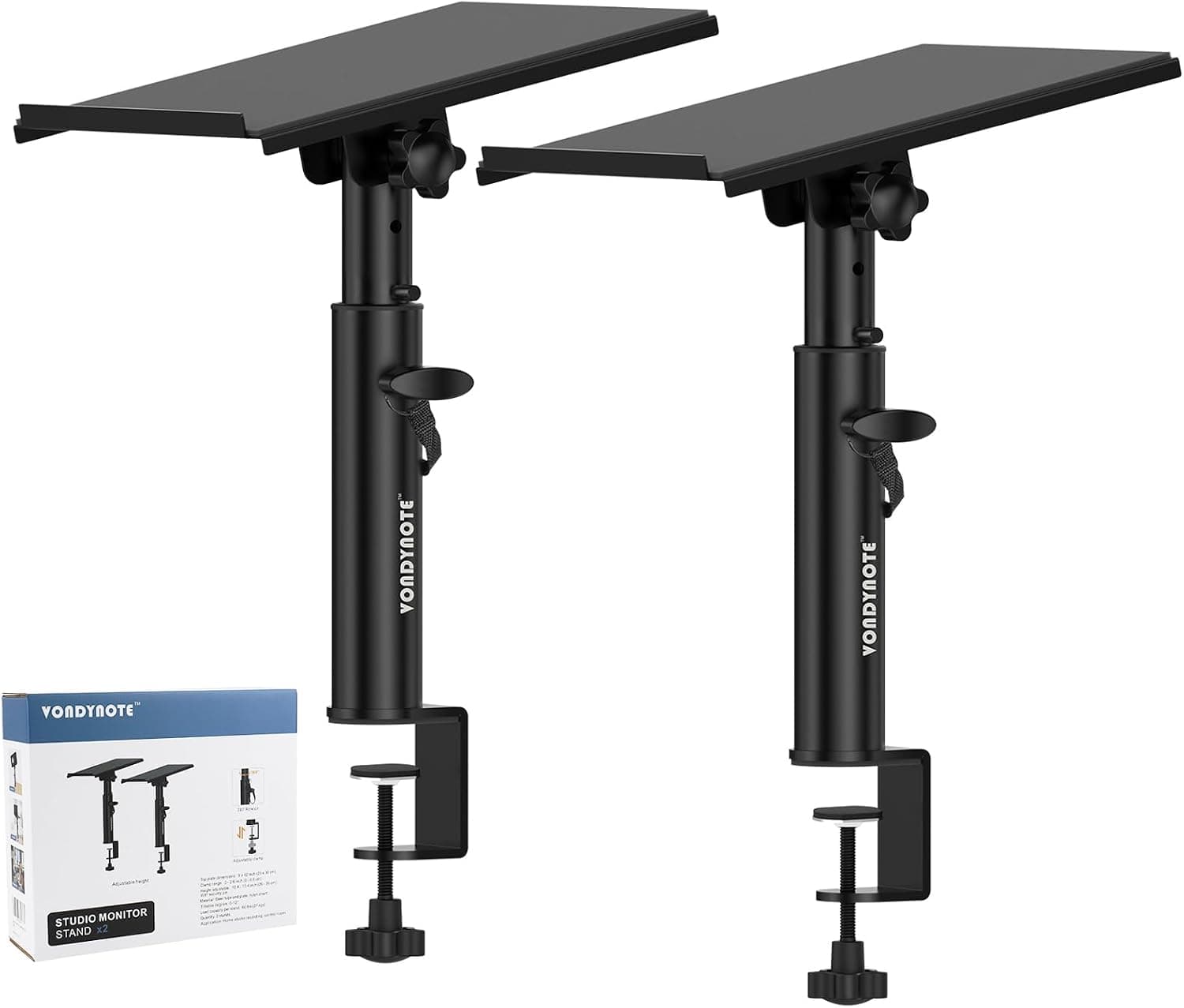
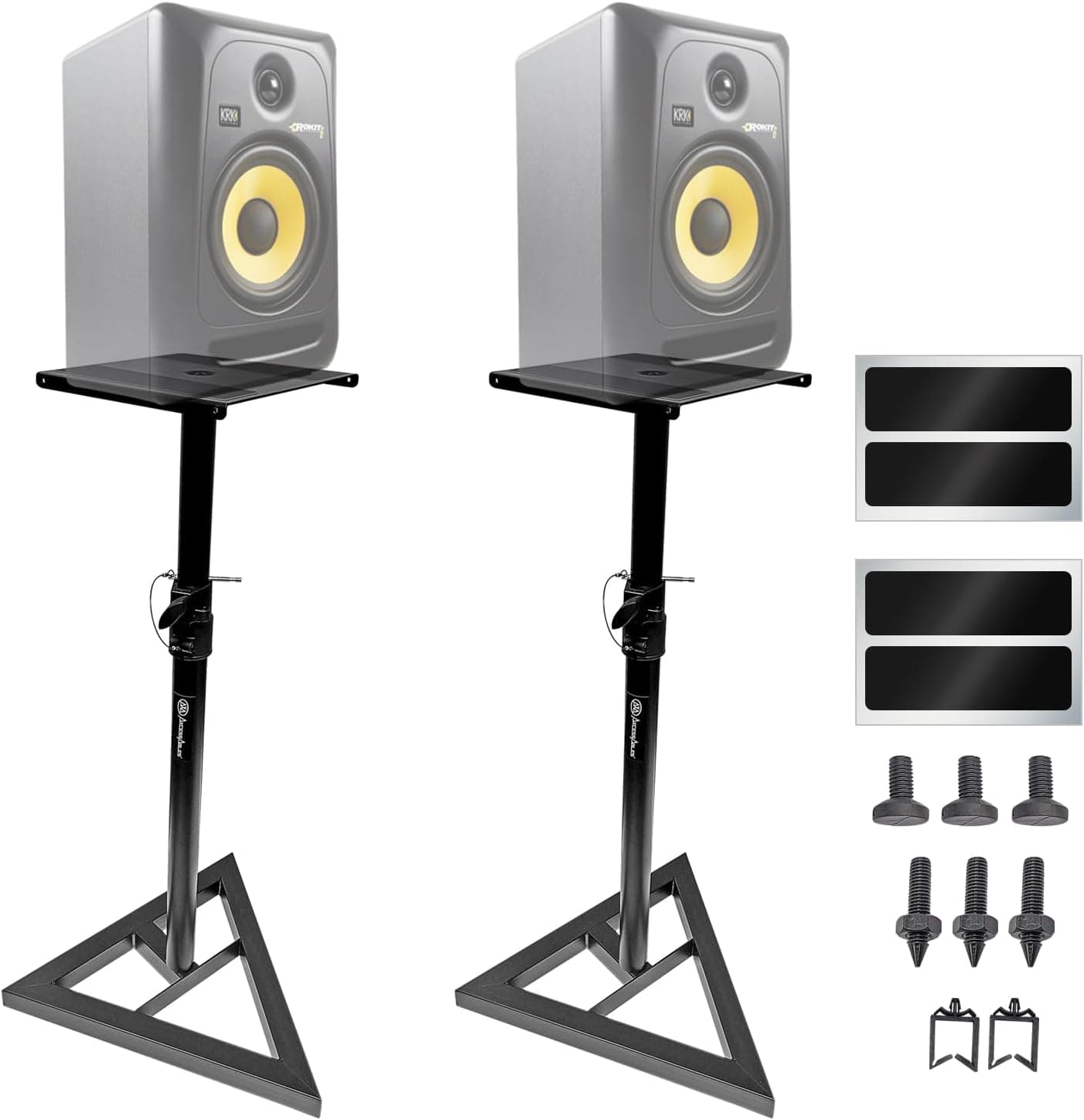
+ 80lb capacity handles large bookshelf speakers safely
From our guide: Best Speaker Stands for Vinyl (2026)
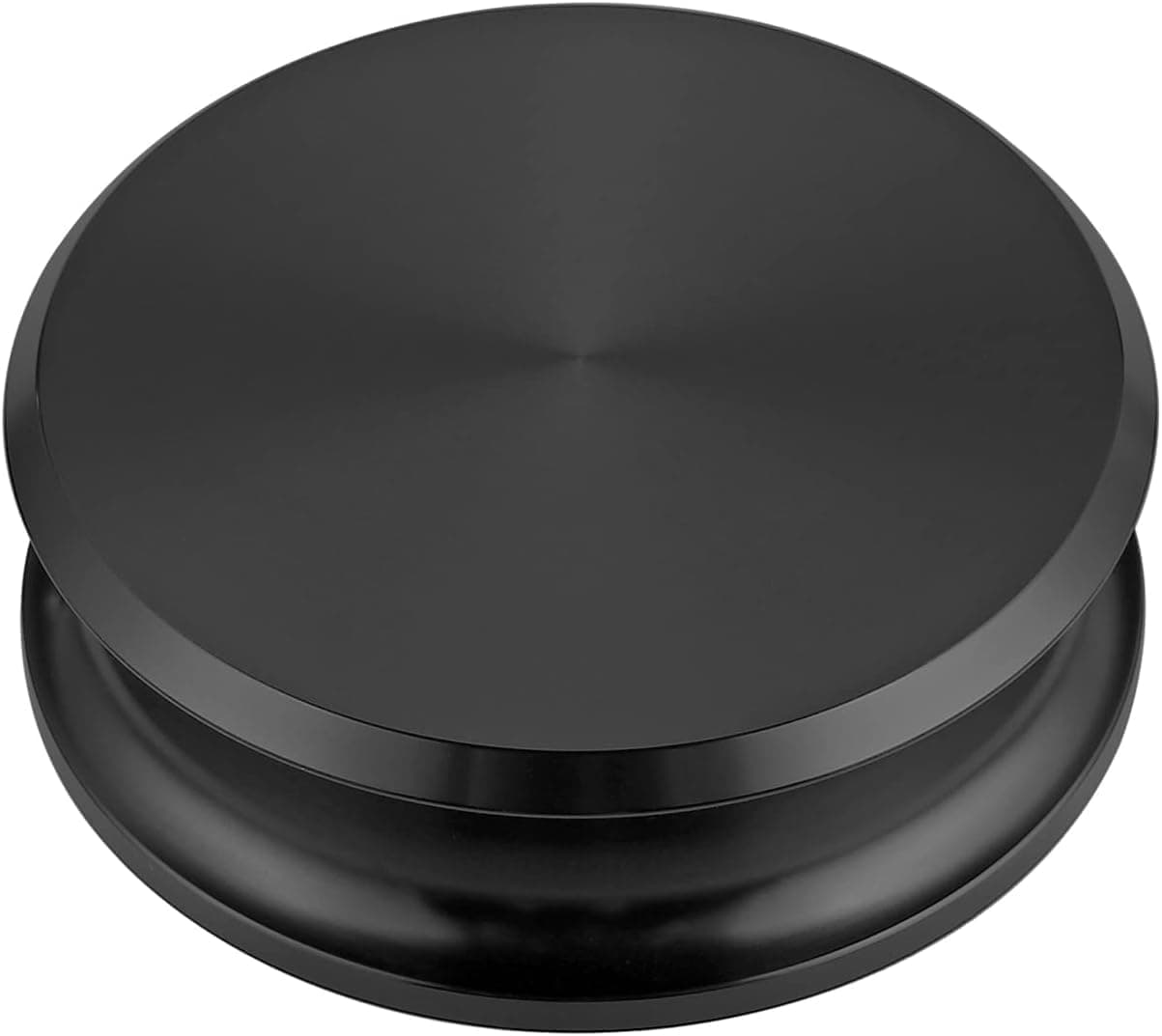
+ Bubble level helps you set the turntable perfectly flat
From our guide: Best Record Weights for Vinyl (2026)
+ Spring design isolates low-frequency vibration effectively
From our guide: Best Turntable Isolation Feet
+ 12 degree tilt angles tweeters toward your ears at a desk
From our guide: Best Speaker Stands for Vinyl (2026)

Two paths vibration takes
Vibration reaches a turntable through two main paths. The first is structural, traveling up through the floor, the rack, and the surface the table sits on, which is why footfalls can cause skips on a bouncy floor. The second is airborne, where sound from your speakers physically shakes the turntable and its components. Both paths let energy into the stylus that has nothing to do with the record, so both need addressing for the cleanest sound.
A solid, stable support is the foundation
The foundation of good isolation is a solid, stable support. A heavy, rigid shelf or a dedicated turntable stand resists vibration far better than a flimsy table that flexes and rings. Wall-mounted shelves are excellent on suspended wood floors because they bypass the floor entirely. Whatever you use, make sure it is level and does not wobble, since a stable base is the platform everything else builds on.
Isolation feet and platforms
Isolation feet and platforms add another layer of defense. Many turntables come with basic feet, but upgraded isolation feet or a dedicated isolation platform can absorb vibration before it reaches the deck. These work by decoupling the turntable from its support so structural vibration is damped rather than transmitted. Even simple, well-chosen isolation devices can noticeably tighten the sound, especially in rooms with lively floors or nearby foot traffic.
Speaker placement is the airborne half
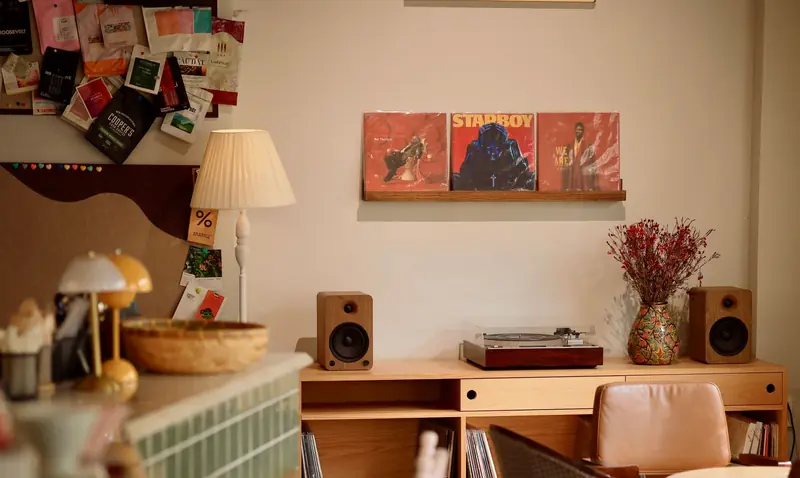
Speaker placement is the airborne half of the equation and is easy to neglect. Keep the turntable as far from the speakers as practical and never set it on the same surface or shelf as them, since that couples speaker vibration directly into the deck. If you hear the sound degrade as you raise the volume, airborne vibration is likely the cause. Combine a solid support, good isolation feet, and sensible speaker placement, and your turntable will read the groove cleanly with music instead of noise.
Frequently asked questions
How do I isolate my turntable from vibration? Put it on a heavy rigid shelf or a wall-mounted shelf, add isolation feet or a platform that decouples it from the support, and keep it far from the speakers and never on the same surface as them.
Why does my turntable sound worse at high volume? Airborne vibration: sound from the speakers is physically shaking the deck. Move the turntable away from the speakers and never set it on the same shelf.
Do isolation feet actually make a difference? Yes, especially in rooms with lively suspended floors or nearby foot traffic. They damp structural vibration before it reaches the deck and can noticeably tighten the sound.
What is the best surface for a turntable on a bouncy floor? A wall-mounted shelf, because it bypasses the floor entirely. Otherwise a heavy, rigid, level stand that does not wobble.
Popular right now
- How to Ground a Turntable and Eliminate HumArticle
- How to Align a Phono Cartridge for Accurate TrackingArticle
- RIAA equalization explainedGlossary
- Setting Tracking ForceArticle
- Best Stylus Cleaners for Vinyl (2026)Buying guide
- How to Fix a Turntable Playing Through Only One ChannelArticle
Based on the last 28 days of search and visitor data.