Understanding Turntable Speeds
Published How we research
Records play at 33, 45 or 78 revolutions per minute, and matching the speed to the record is what makes it sound right. Full-length albums are almost always 33, seven-inch singles are 45, and 78 belongs to older shellac discs that usually need a different stylus. Here is how to tell which is which.
Products from this article
The highest-scoring picks from the buying guides this article links to. Scores are our editorial assessment, not customer ratings.
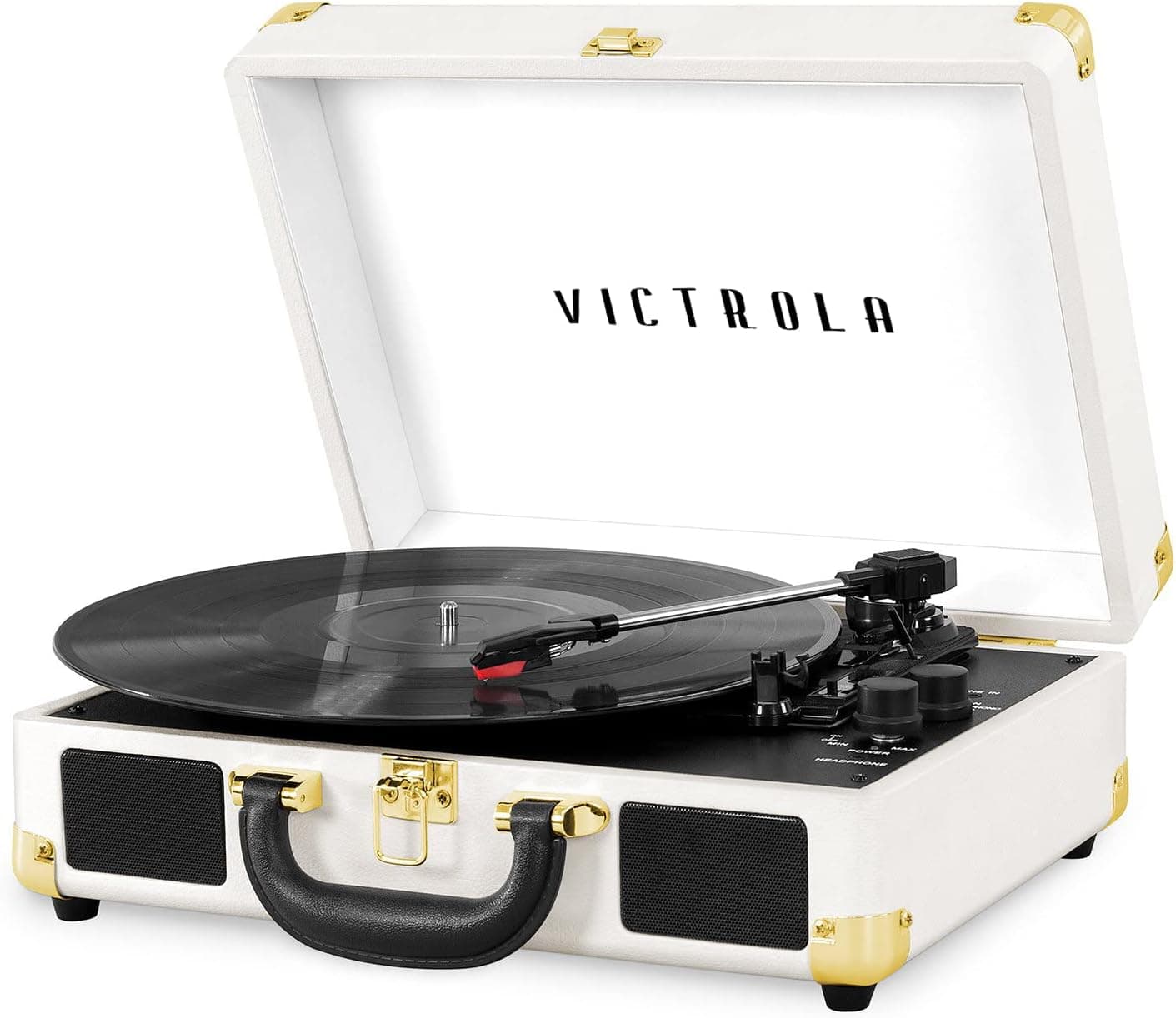
+ RCA out on the white Journey lets you graduate to proper speakers later
From our guide: Best Suitcase Record Players (2026)
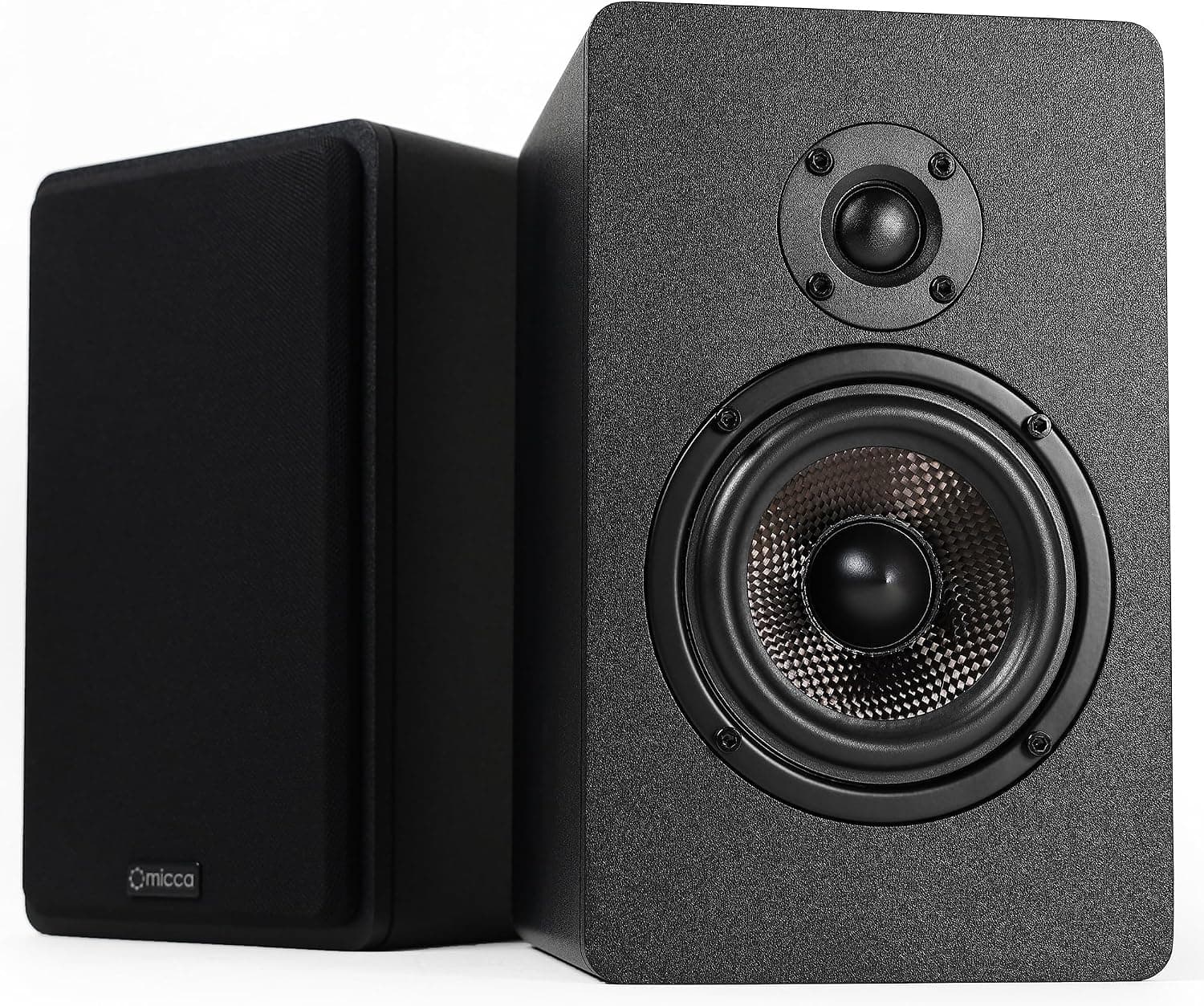
+ G2 update refines the original MB42X's tuning and build
From our guide: Best Passive Speakers for Vinyl (2026)
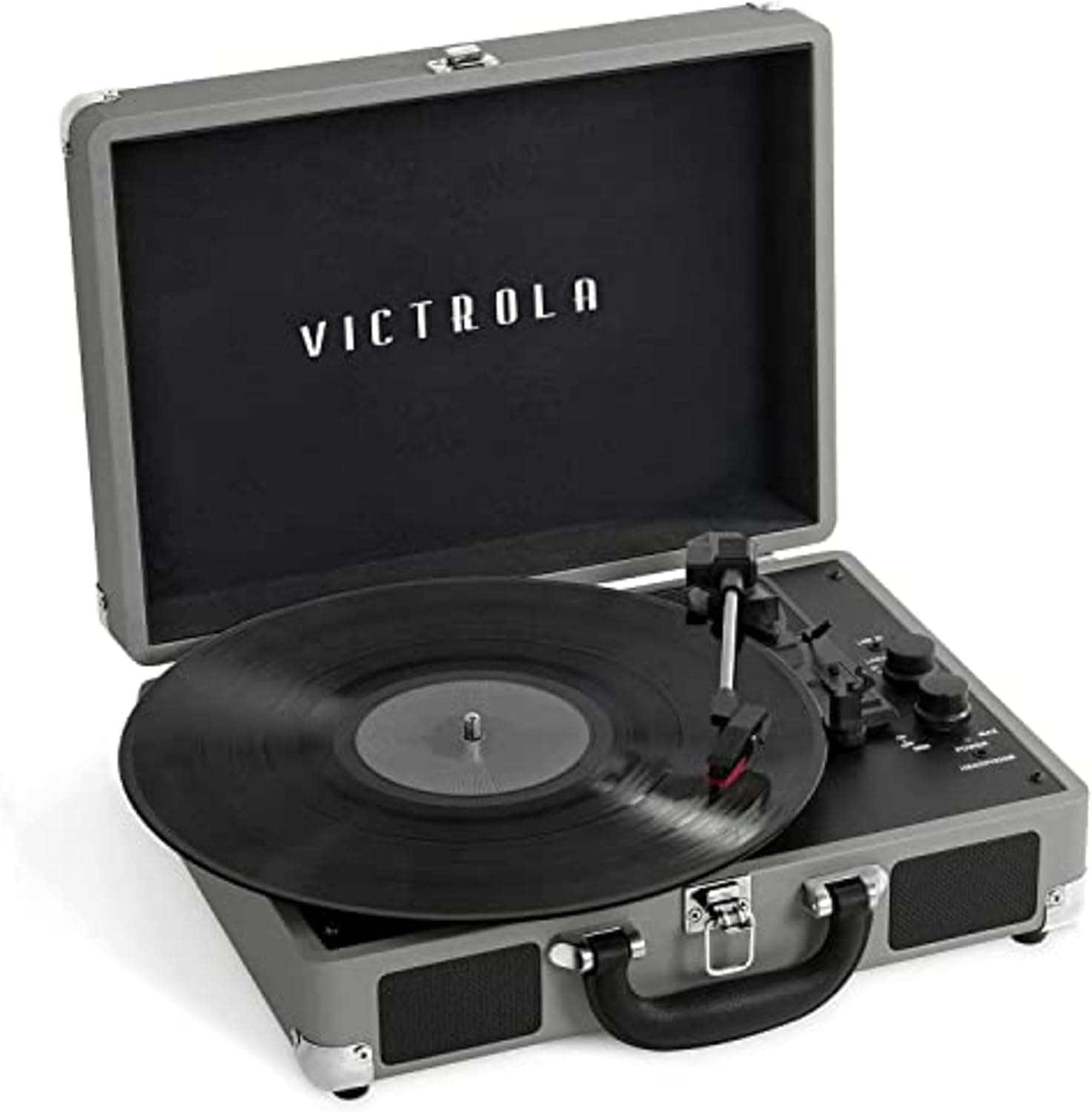
+ 33/45/78 RPM support handles modern LPs and old shellac records alike
From our guide: Best Suitcase Record Players (2026)
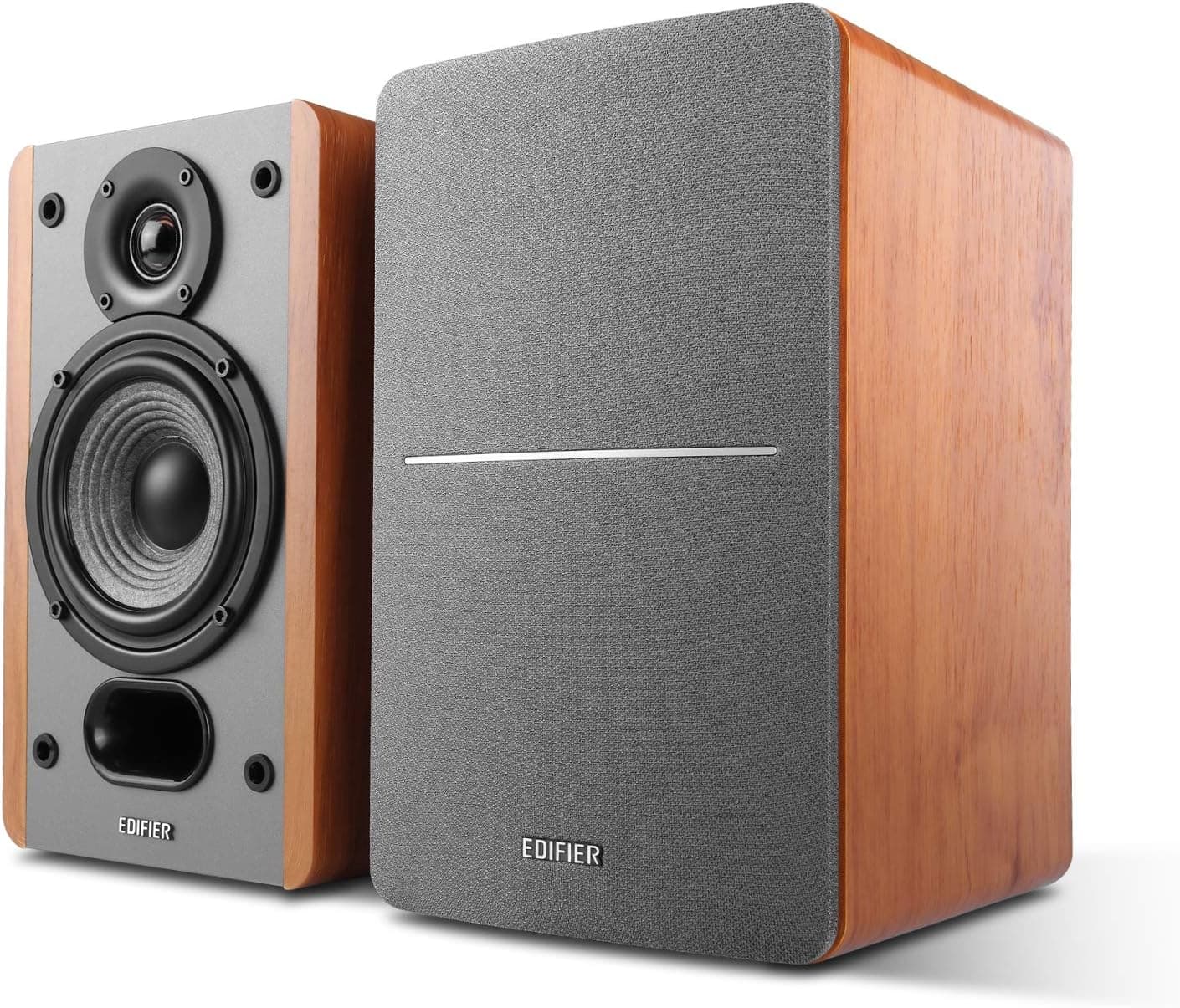
+ 2-way design with a separate tweeter keeps vocals and cymbals clear
From our guide: Best Passive Speakers for Vinyl (2026)
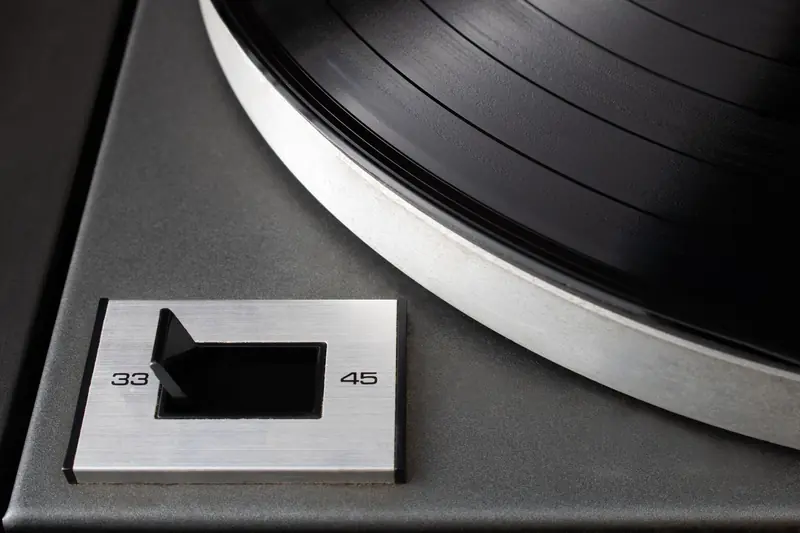
33 RPM: The Album Standard
The most common speed for full-length albums is 33 and a third revolutions per minute, usually just called 33. This is the standard for the twelve-inch LPs that make up most record collections. The slower speed lets a lot of music fit on each side, which is why albums use it. When you set your turntable to 33, you are playing the format that dominates modern and classic album releases alike.
45 RPM: Singles and Audiophile Pressings
The 45 RPM speed is most associated with seven-inch singles, the smaller records that traditionally held one song per side. Many audiophile pressings and some twelve-inch releases also use 45 because the faster speed can capture more detail, at the cost of shorter playing time per side. If you have small singles or notice a record marked for 45, switch your turntable to that speed. Most modern decks change speeds with a switch or, on some, by moving the belt.
78 RPM: Shellac and Vintage Discs
The 78 RPM speed belongs to older records, the shellac discs that predate the vinyl LP era. These play much faster and often require a different stylus, since their grooves are wider than those of modern records. Not every turntable supports 78, and playing these older discs properly can mean using a dedicated stylus. If you collect vintage records, confirm your turntable and stylus are suited to 78 before playing them.
What Happens If You Play at the Wrong Speed
Playing a record at the wrong speed will not usually damage it, but it sounds obviously wrong, so if the pitch seems off, check the speed setting first. Match the speed to the record, typically 33 for albums and 45 for singles, and reserve 78 for the appropriate vintage discs and stylus. Once you know which is which, selecting the right speed becomes second nature and your records will play back exactly as they were meant to sound.
Common Questions About Turntable Speeds
What speed should I play my record at? 33 for a twelve-inch album, 45 for a seven-inch single. Most records print the speed on the label or the dead wax.
Will playing at the wrong speed damage a record? No, but it sounds obviously wrong in pitch and tempo. Check the speed setting first whenever a record sounds off.
Why do some twelve-inch records play at 45? The faster speed captures more detail, so audiophile pressings often use it, accepting shorter playing time per side.
Can any turntable play 78s? No. Many modern decks omit 78 entirely, and those grooves are wider, so a dedicated stylus is usually needed to track them properly.
Quick answers
How do I know if a record is 33 or 45 RPM?
Check the label or sleeve first. Otherwise, 12 inch LPs are usually 33 1/3, 7 inch singles are usually 45, and a 12 inch single with wide spacing between tracks may be 45.
Popular right now
- How to Ground a Turntable and Eliminate HumArticle
- How to Align a Phono Cartridge for Accurate TrackingArticle
- RIAA equalization explainedGlossary
- Setting Tracking ForceArticle
- Best Stylus Cleaners for Vinyl (2026)Buying guide
- How to Fix a Turntable Playing Through Only One ChannelArticle
Based on the last 28 days of search and visitor data.