Wet vs Dry Record Cleaning
Published How we research
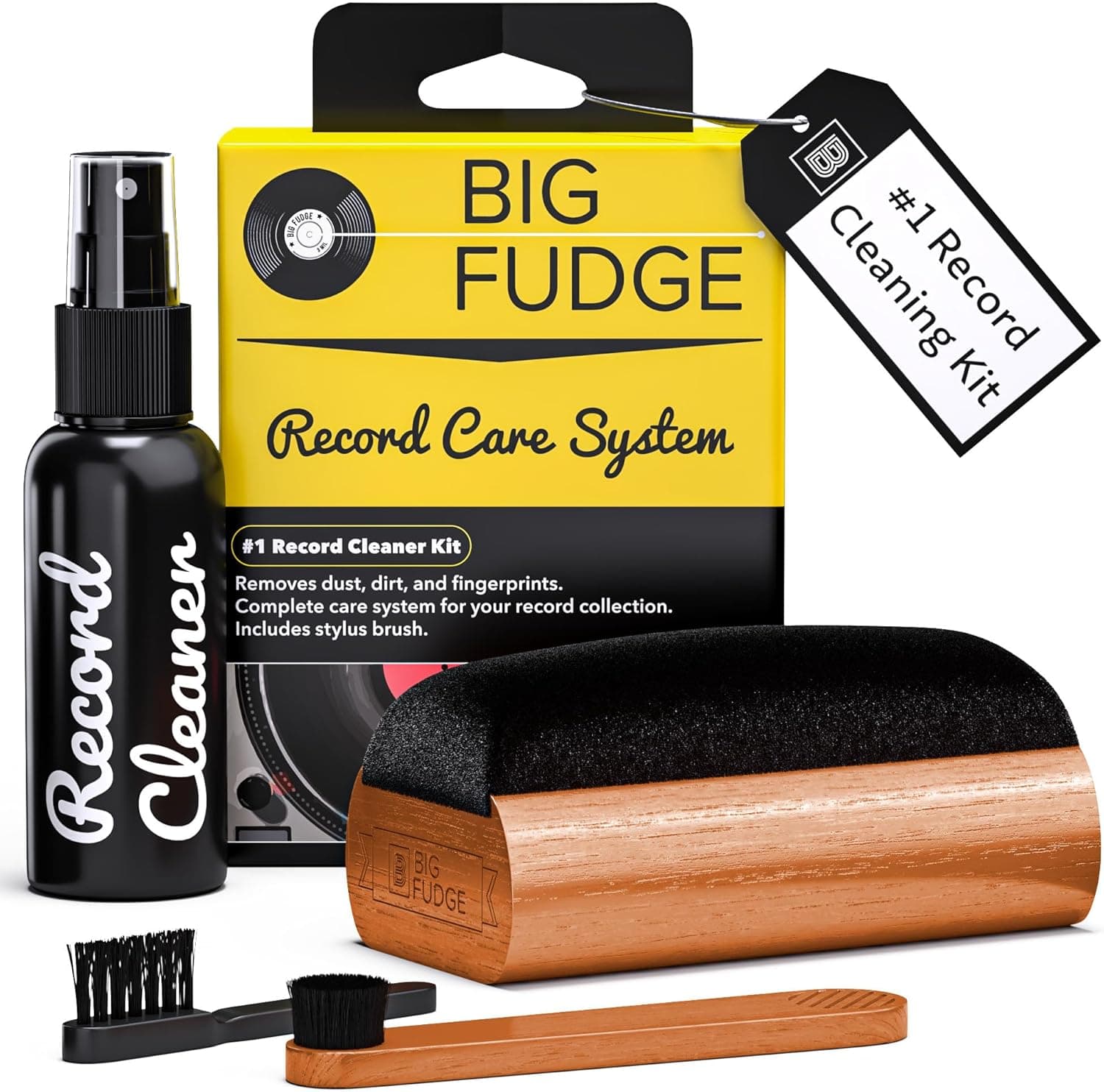
Dry cleaning with a carbon fibre brush before every play lifts loose dust in seconds and prevents most surface noise, but it only removes material sitting on the surface. Wet cleaning with a proper record fluid and soft applicator, worked along the grooves, tackles fingerprints, oils, and embedded grime a brush cannot reach. Use them as a team: a wet clean as the occasional reset (and always on newly acquired records), dry brushing as the ongoing upkeep between deep cleans. Keeping records clean is essential, but there is more than one way to do it, and wet and dry cleaning each have their place. Dry cleaning handles everyday dust quickly, while wet cleaning tackles the deeper grime that dry methods cannot reach. Rather than picking one and ignoring the other, the best approach uses both at the right times. Knowing when to reach for each keeps your records quiet without wasting effort.
Products from this article
The highest-scoring picks from the buying guides this article links to. Scores are our editorial assessment, not customer ratings.
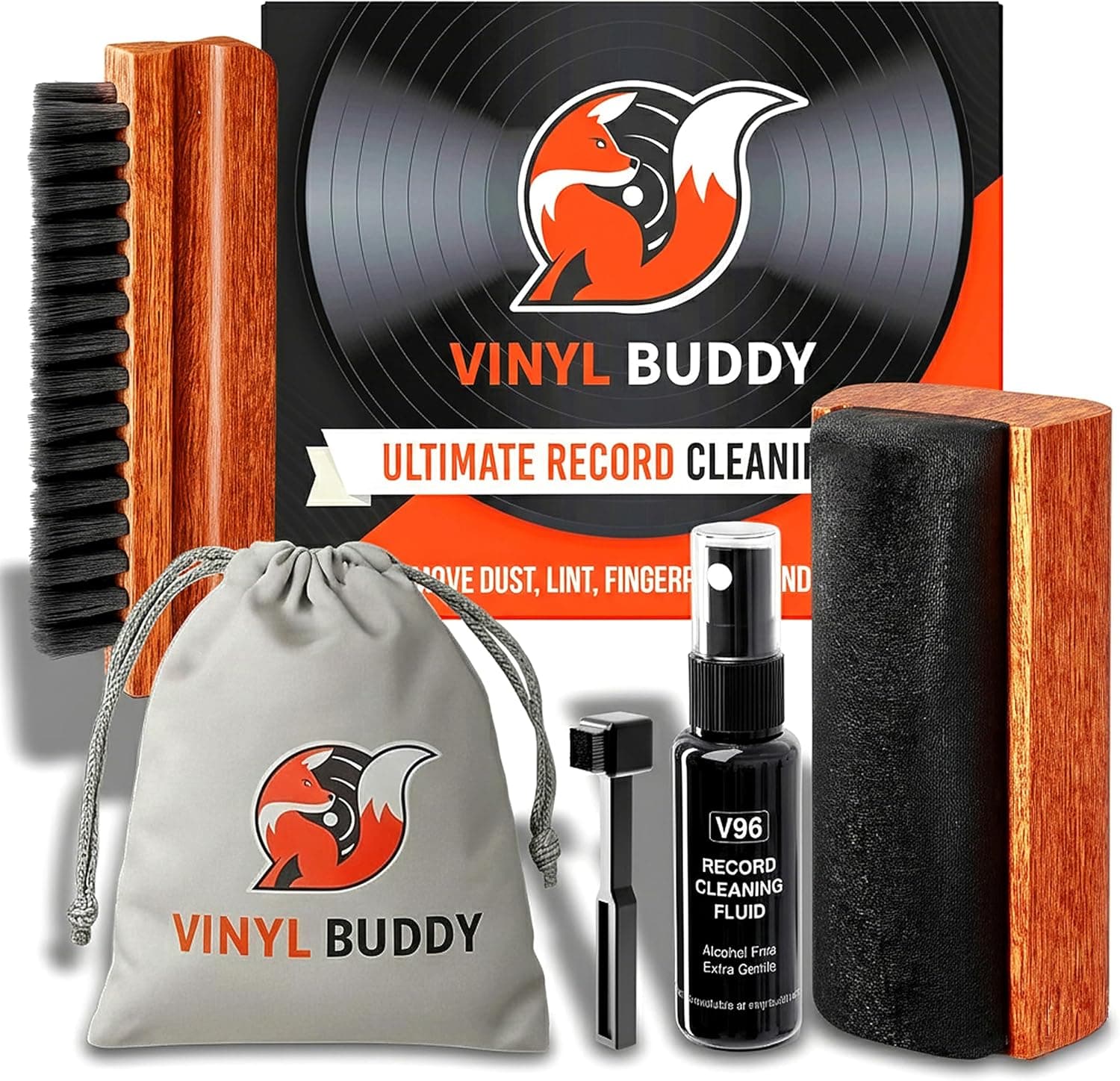
+ Stylus gel cleans the needle gently without brushing
From our guide: Best Record Cleaning Kits for Vinyl (2026)
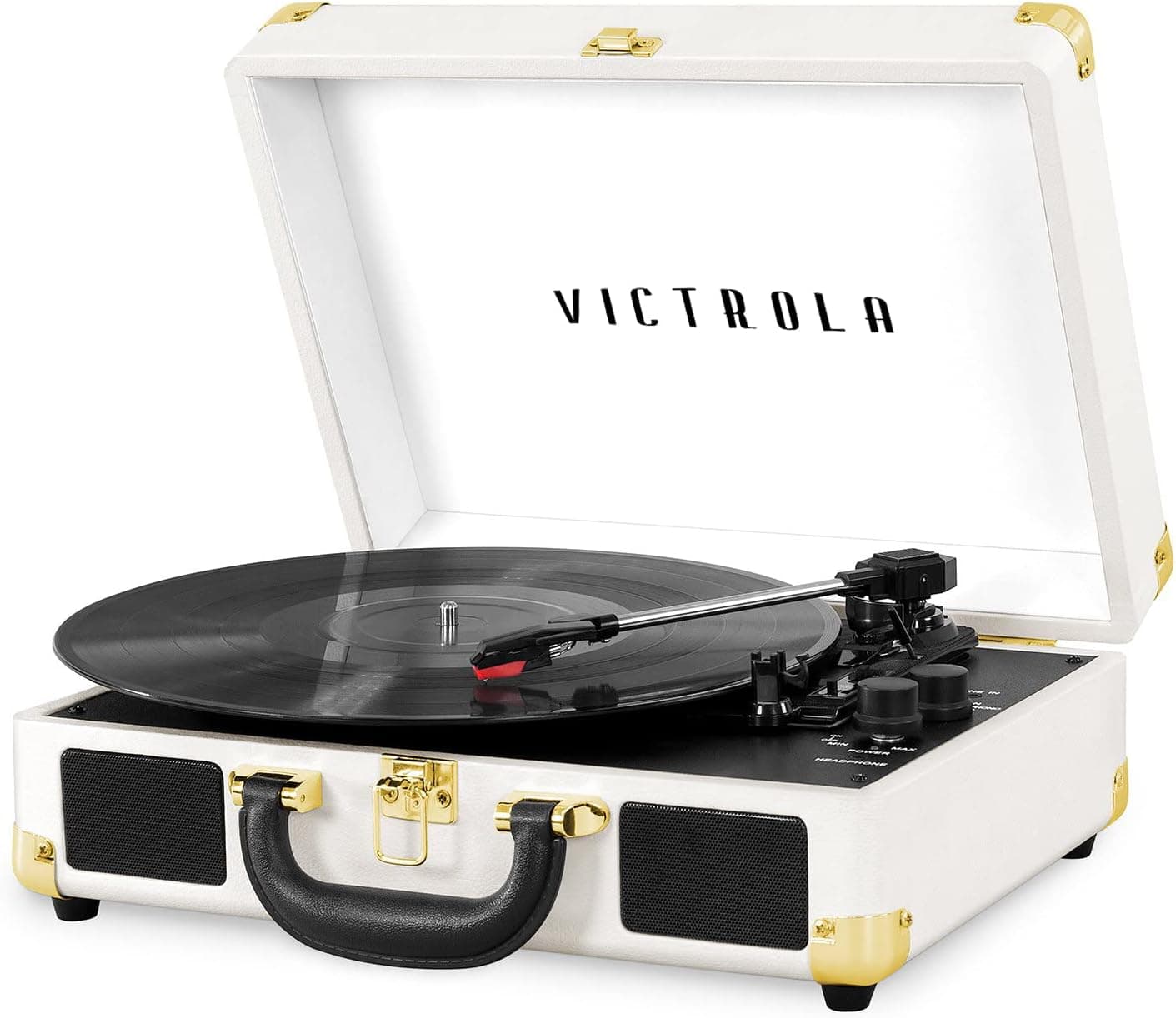
+ RCA out on the white Journey lets you graduate to proper speakers later
From our guide: Best Suitcase Record Players (2026)
+ 66W RMS gives more room-filling sound than smaller Edifiers
From our guide: Best Powered Bookshelf Speakers for Vinyl (2026)
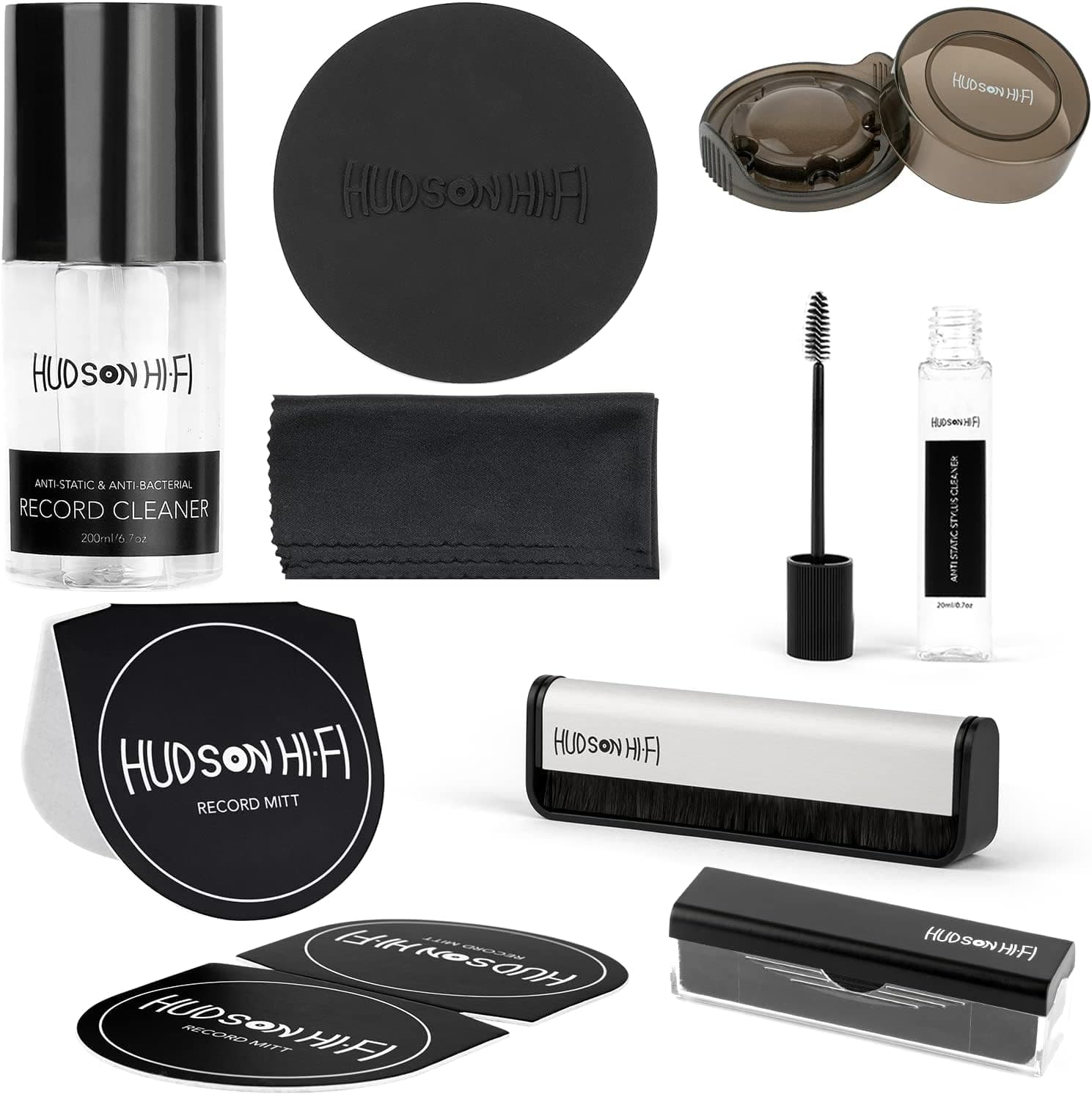
+ Two brush types handle both dry dusting and wet cleaning
From our guide: Best Record Cleaning Kits for Vinyl (2026)

Dry cleaning: fast, frequent maintenance
Dry cleaning is your fast, frequent maintenance tool. A carbon fiber brush swept lightly over a spinning record lifts loose dust from the grooves in seconds, and doing this before every play prevents most surface noise from building up. Dry cleaning is gentle and convenient, but it has limits, since it only removes loose material sitting on the surface. Fingerprints, oils, and embedded grime laugh at a dry brush.
Wet cleaning: when dry is not enough
Wet cleaning is what you use when dry cleaning is not enough. Using a proper record cleaning fluid and a soft applicator, you work the solution gently into the grooves along their circular path, loosening stubborn dirt that a brush cannot dislodge. This deeper clean is ideal for used records of unknown history, discs that sound noisy despite dry brushing, or any record with visible fingerprints. The trade-off is that it takes more time and requires careful drying.
The two methods work best as a team
The two methods work best as a team rather than as rivals. A thorough wet clean gets a record truly clean, and regular dry brushing keeps it that way between deeper cleanings. Think of wet cleaning as the occasional reset and dry cleaning as the ongoing upkeep. New or newly acquired records benefit from an initial wet clean, after which a quick dry brush before each play maintains the result for a long time.
Technique matters as much as method
Whichever method you use, technique matters as much as the method itself. Always follow the direction of the grooves, use lint-free materials rather than paper towels, keep the label dry during wet cleaning, and let records dry fully before sleeving them. Avoid harsh household chemicals and abrasive cloths that can scratch. Combine gentle dry cleaning for maintenance with careful wet cleaning for deep dirt, and your collection will stay clean, quiet, and enjoyable.
Frequently asked questions
Should I wet clean or dry clean my records? Both. Dry brush with carbon fibre before every play for loose dust, and wet clean occasionally (and always on used or noisy records) for fingerprints, oils, and embedded grime a brush cannot reach.
Do I need to wet clean a brand new record? It helps. New and newly acquired records benefit from an initial wet clean, after which a quick dry brush before each play maintains the result for a long time.
How should I wet clean a record? With a proper record cleaning fluid and a soft applicator, working the solution gently along the circular path of the grooves, keeping the label dry, and letting the record dry fully before sleeving.
Can I use household cleaners on vinyl? No. Avoid harsh household chemicals and abrasive cloths or paper towels that can scratch. Use dedicated record fluid and lint-free materials, following the direction of the grooves.
Popular right now
- How to Ground a Turntable and Eliminate HumArticle
- How to Align a Phono Cartridge for Accurate TrackingArticle
- RIAA equalization explainedGlossary
- Setting Tracking ForceArticle
- Best Stylus Cleaners for Vinyl (2026)Buying guide
- How to Fix a Turntable Playing Through Only One ChannelArticle
Based on the last 28 days of search and visitor data.