What Is a Stylus on a Turntable? How It Differs From a Needle and Cartridge
Published How we research
The stylus is the tiny tip that rides in a record groove and reads the music. People often call it the needle, though a modern stylus is a polished gem, usually diamond, mounted on a thin rod, not a steel pin. It is the only part of a turntable that touches the record, so it has a large influence on sound and on how long your records stay in good shape. This article explains what the stylus is, how it differs from the cartridge, what the common shapes mean, and how to look after it.
Products from this article
The highest-scoring picks from the buying guides this article links to. Scores are our editorial assessment, not customer ratings.
As an Amazon Associate we earn from qualifying purchases. This does not change our picks. Affiliate disclosure
New to Prime? Try Prime free for fast, free shipping on eligible items.
+ Genuine elliptical stylus restores AT95E cartridges to factory sound
From our guide: Best Replacement Styli (2026)
+ Conical tip is tolerant of alignment errors and worn older records
From our guide: Best Conical Styli (2026)
+ Elliptical tip is a cheap, meaningful upgrade for AT-LP60X turntables
From our guide: Best Elliptical Styli (2026)
+ Reusable gel bubble can be rinsed and used many times
From our guide: Best Stylus Cleaners for Vinyl (2026)
Stylus, needle and cartridge compared
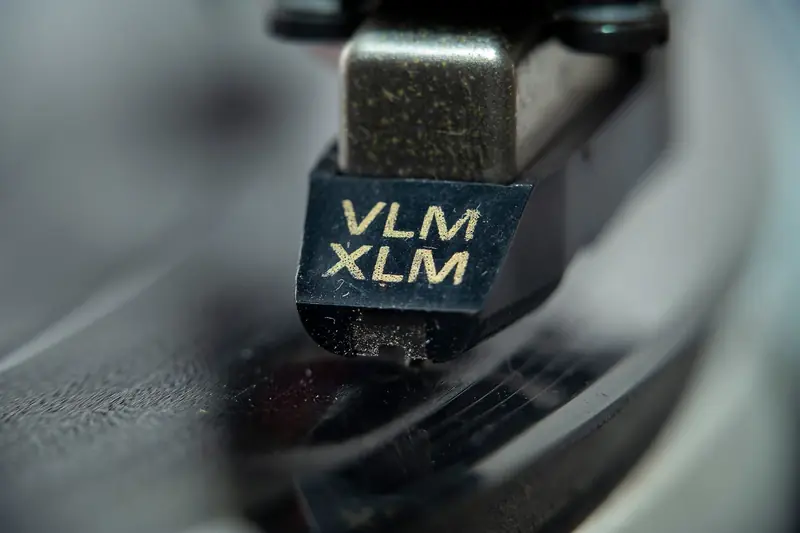
The stylus is the tip that touches the groove, along with the small assembly that holds it. Needle is the traditional word for the same thing, a leftover from the days of steel needles used with wind-up gramophones. Today both words are used for the replaceable tip assembly, and a lot of product listings use needle and stylus interchangeably.
The cartridge is the larger body that holds the stylus assembly, along with the magnets and coils that produce the electrical signal. On many cartridges the stylus can be swapped without replacing the whole cartridge. The headshell is the mount on the end of the tonearm that holds the cartridge. Keeping these terms straight helps when you search for replacement parts.
How the stylus works
A record groove is a tiny pattern of wiggles. The stylus tip fits into the groove and is pushed back and forth, and up and down, as it follows the pattern. The stylus is attached to a thin rod called the cantilever, which transfers those movements to the generator inside the cartridge. The generator converts them into the electrical signal sent to the amplifier.
Everything about the stylus has to be small and light, so that it can follow rapid movements without adding its own resonance. A lightweight cantilever and a precisely polished tip help it move faster and more accurately. That is why the part is delicate, and why a hard knock or a dropped tonearm can bend it and end its useful life.
Common stylus shapes
The tip shape decides how the stylus fits the groove. A conical, or spherical, stylus has a rounded tip and is the most common on entry-level cartridges. It is durable and forgiving of setup and worn records. An elliptical stylus has a narrower profile and can follow finer detail in the groove, and so it is a common upgrade.
More advanced shapes, such as line-contact types, are shaped to touch more of the groove wall, and some makers claim extended detail and longer life from them. These are usually found on higher-priced cartridges. A shape alone does not guarantee better sound, since alignment, tracking force and the rest of the system matter too. Pick a shape that suits your records and your budget.
What the stylus is made of
Most good styli use a diamond tip, because diamond is extremely hard and wears slowly. The tip is bonded to the cantilever, and the cantilever itself may be aluminum, boron or other materials that balance weight and stiffness. Cheaper players can use a sapphire tip, which is softer and may wear more quickly, though specifics depend on the model.
Diamond can still wear over time, and dust trapped in the groove or on the tip speeds that up. Because the contact area is so small, the pressure on it is high, even with a light tracking force. That is the reason a clean record and a clean stylus are sensible habits for anyone who wants to keep both in good condition.
How long a stylus lasts and when to replace it
Makers often rate styli in hours of play, and those numbers vary widely by cartridge and tip type. A common guideline is a few hundred to a thousand hours, though you should check your own cartridge's documentation. Because the wear is gradual, it can be hard to notice, so many people replace the stylus by a schedule rather than waiting for obvious problems.
Signs of wear include dull or harsh treble, more distortion and more surface noise. A stylus that is worn can also damage records, because the worn edges no longer fit the groove properly. If you are unsure, a microscope inspection or a swap with a known good stylus can reveal the difference. Replacement is usually less expensive than damaged records.
Taking care of your stylus
Keep the stylus clean using a proper stylus brush, moving gently from back to front, in the direction of the record's travel, so you never push against the cantilever. A dedicated stylus cleaner solution can help with stubborn build-up. Do not press down with your finger. Use the cueing lever to lower the arm, and never drag the stylus across a record by hand.
Protect it when the turntable is moved, lock the arm, and put on the stylus guard if your cartridge has one. Keep the dust cover closed when the deck is idle. If you spot a bent cantilever or hear one channel missing, stop playing and fix the problem before it harms your records.
Frequently asked questions
Is a stylus the same as a needle? For everyday purposes, yes. Stylus is the more accurate word for the modern tip, and needle is the traditional word that many people and sellers still use. Both usually refer to the replaceable part at the end of the cartridge.
Can I replace only the stylus? On many cartridges, yes. The stylus assembly is made to be removable, and replacing it can renew the sound without changing the cartridge body. On some turntables the cartridge is fixed, so check your model first.
Can a stylus be too good for my turntable? A finer stylus can reveal more detail, but it needs a clean record, accurate alignment and correct tracking force. If your setup is basic, a conical or elliptical stylus is usually a sensible match.
Popular right now
- How to Ground a Turntable and Eliminate HumArticle
- How to Align a Phono Cartridge for Accurate TrackingArticle
- RIAA equalization explainedGlossary
- Setting Tracking ForceArticle
- Best Stylus Cleaners for Vinyl (2026)Buying guide
- How to Fix a Turntable Playing Through Only One ChannelArticle
Based on the last 28 days of search and visitor data.