Breaking In a New Cartridge
Published How we research

When you install a new phono cartridge, it may not sound its best right away, and that is normal. Many listeners report that a fresh cartridge sounds a little stiff or bright at first and then relaxes and opens up after some hours of playing. This process is called break-in, and understanding it helps you set realistic expectations and avoid judging a new cartridge before it has had a chance to settle.
Products from this article
The highest-scoring picks from the buying guides this article links to. Scores are our editorial assessment, not customer ratings.
+ Dense carbon fibers sweep dust from deep in the grooves
From our guide: Best Anti-Static Brushes for Vinyl (2026)
+ LED light highlights the album cover in dim rooms
From our guide: Best Now Playing Stands for Vinyl (2026)
+ Carbon fiber bristles reach into grooves to lift dust
From our guide: Best Anti-Static Brushes for Vinyl (2026)
+ Wooden holder displays the current album cover proudly
From our guide: Best Now Playing Stands for Vinyl (2026)



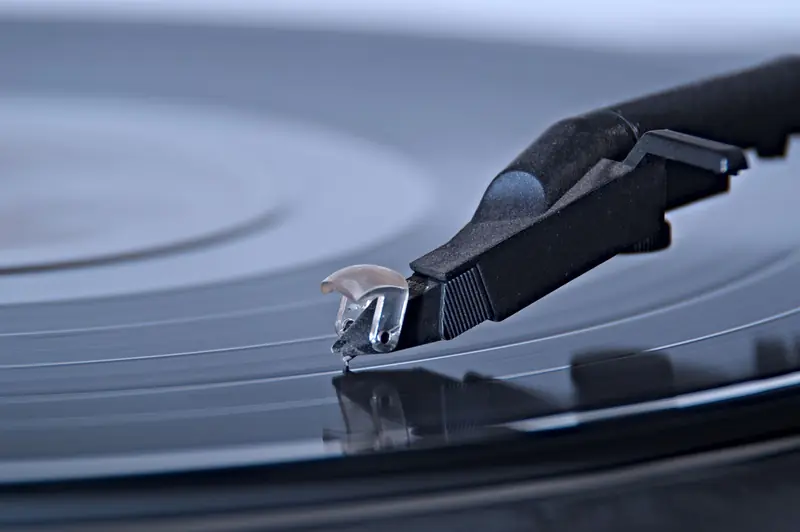
The reason for the change lies in the cartridge's suspension, the tiny compliant rubber that lets the cantilever and stylus move. When new, this suspension is stiff, and it becomes more flexible and settles into its intended behavior as it flexes during play. As the suspension loosens, the tracking can improve and the sound often becomes smoother and more balanced. The effect is usually most noticeable in the first stretch of playing hours.
To break in a cartridge, you simply play records normally. There is no need for special tricks or dedicated break-in discs for most cartridges, since ordinary listening does the job over a number of hours. Play a variety of music so the stylus works across different frequencies and groove modulations. The break-in happens gradually, so rather than watching the clock, just enjoy your records and notice how the sound evolves over the first days or weeks of use.
It is worth confirming your setup is correct before and after break-in, because the changing suspension can subtly affect how the cartridge sits. Double-check tracking force and alignment when the cartridge is new, and it does no harm to verify them again once it has settled. Because the compliance changes slightly during break-in, a quick recheck of tracking force ensures you stay within the recommended range throughout the process.
Keep expectations measured, since the degree of change varies between cartridges and some people notice it more than others. Do not use break-in as a reason to play your most precious records first, since a brand-new stylus is still bedding in. Start with records you do not mind, give the cartridge time, and reserve final judgment until it has settled. Once broken in and properly set up, a good cartridge will deliver its full, intended sound for a long time.
Popular right now
- How to Ground a Turntable and Eliminate HumArticle
- How to Align a Phono Cartridge for Accurate TrackingArticle
- RIAA equalization explainedGlossary
- Setting Tracking ForceArticle
- Best Stylus Cleaners for Vinyl (2026)Buying guide
- How to Fix a Turntable Playing Through Only One ChannelArticle
Based on the last 28 days of search and visitor data.