Conical vs Elliptical Stylus: Differences, Sound and Record Wear
Published How we research
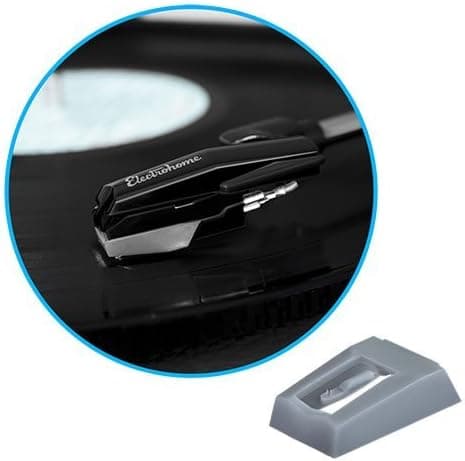
An elliptical stylus traces the record groove more accurately than a conical one, so it retrieves more high-frequency detail and distorts less toward the end of a side. A conical stylus costs less, forgives imperfect setup and worn records, and is the right tool for DJ use and back-cueing. For home listening on a properly set up turntable, elliptical is the better buy for most people. For a first deck, a secondhand collection in rough shape, 78s or DJ work, conical still makes sense. The sections below explain why the two shapes behave differently and how to decide.
What the two tip shapes look like
A conical stylus, also called spherical, has a tip that is round when viewed from any side, like the end of a ballpoint pen. The usual tip radius for stereo LPs is about 0.6 mil, and DJ versions are often 0.7 mil. Because the tip is the same in every direction, it touches each groove wall at a small, roughly circular spot.
An elliptical stylus is ground with two different radii. Seen from the front it is about as wide as a conical tip, commonly 0.7 mil, so it sits at a similar height in the groove. Seen from the side it is much narrower, typically 0.3 or 0.4 mil. That is why elliptical tips are labeled with two numbers, such as 0.3 x 0.7 mil or 0.4 x 0.7 mil. The narrow dimension is the one that faces the oncoming groove modulations.
How the shape changes the sound
A record is cut with a sharp, chisel-shaped cutting stylus, and the highest frequencies are stored as very short wiggles in the groove wall. A round 0.6 mil tip is too fat to follow the shortest of them exactly, so it rides over part of the detail. The narrower side radius of an elliptical tip fits further into those wiggles, which gives more extended treble and cleaner cymbals and vocal sibilants.
The difference grows toward the label. A record turns at a constant speed, so the inner grooves pass under the stylus more slowly and the same musical signal is squeezed into a shorter length of groove. This is where a conical tip starts to sound congested or fuzzy on loud passages, the effect known as inner groove distortion. An elliptical tip does not remove it, but it pushes the problem later and makes it milder. On the outer half of a side, with ordinary pop or rock pressings, the two shapes sound much closer.
Do not expect a change in bass weight or overall tonal balance from the tip shape alone. Those are set mostly by the cartridge body, the cantilever and the phono stage.
Setup tolerance and tracking force
A conical tip is symmetrical, so small errors in cartridge alignment change very little: the contact spot looks the same to the groove even if the cartridge is twisted a degree or two in the headshell. That makes conical styli a good match for basic turntables with fixed, non-adjustable cartridges and for anyone who does not want to spend time with a protractor.
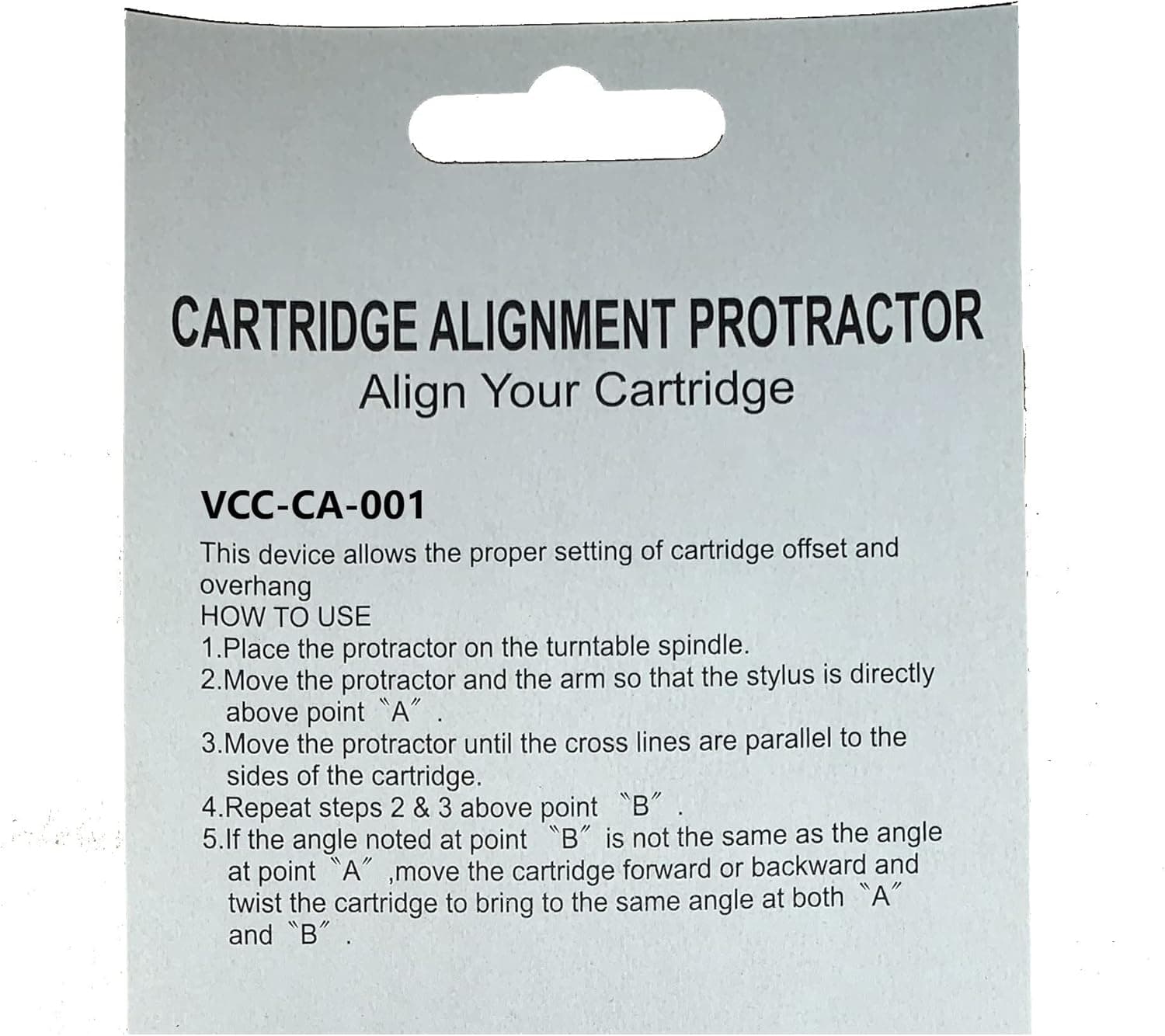
An elliptical tip only delivers its advantage when the narrow edge sits square to the groove. If overhang or cartridge angle is off, the tip meets the groove walls at a skew and you can end up with more distortion than a conical would give. Plan on checking alignment with a two-point protractor and setting tracking force to the cartridge maker's figure, ideally with a gauge. Within one cartridge family the recommended force is often the same for both tips. It is DJ conicals that run heavier, commonly 3 g and up, to stay in the groove during cueing.
Record wear and stylus life
The argument about which shape wears records faster has run for decades, and the honest answer is that tip shape is a minor factor. A clean stylus in good condition, tracking at the recommended force on a correctly aligned cartridge, is gentle on vinyl in either shape. A worn or chipped tip, a force set too low so the stylus rattles in the groove, or a dirty record will do damage with either shape as well.
The two shapes do touch slightly different parts of the groove wall. That has one practical use: a secondhand record that was played for years with one tip shape can sometimes sound cleaner with the other, because the new tip rides on a less worn band of the wall.
Stylus life is similar enough that it should not drive the decision. Manufacturer guidance for both shapes usually falls in the range of a few hundred hours of play, with elliptical tips often quoted a little lower than conical. Whatever the shape, replace the stylus when sibilance and distortion creep in on records that used to sound clean.
When a conical stylus is the right choice
Choose conical for DJ work. A round tip tolerates back-cueing and scratching, holds the groove under heavy tracking force, and is cheap to replace when it gets knocked. Choose it as well for entry-level turntables with a fixed cartridge and no alignment adjustment, where an elliptical tip cannot be set up to show its strengths.
Conical also suits worn, noisy or budget-bin records, where a tip that reads less fine detail can also read less of the damage. And 78 rpm shellac discs need a conical tip of their own: the grooves are much wider, so they take a dedicated stylus of roughly 3 mil rather than the 0.6 or 0.7 mil tip used for LPs and 45s. Never play 78s with a microgroove stylus of either shape.
Upgrading from conical to elliptical
Many cartridges let you change the tip shape without changing the cartridge. The stylus assembly slides off the front of the body and a different one slides on. In ranges such as Audio-Technica's VM95 series, every stylus in the family fits the same body, so moving from the conical to the elliptical version takes a minute and needs no rewiring. Check the stylus compatibility list for your exact cartridge before ordering.
After the swap, recheck tracking force, since the recommended figure can differ between styli, and confirm alignment while you are there. Look at how the diamond is mounted too. A bonded elliptical has a small diamond tip fixed to a metal shank, while a nude elliptical is a single piece of diamond with less moving mass. Nude tips cost more and are the next step up once you have heard what an elliptical profile does.
Frequently asked questions
Is an elliptical stylus better than a conical one? For sound quality on a well set up turntable, yes: it reads more high-frequency detail and distorts less on inner grooves. A conical stylus is better for DJ use, for decks with no cartridge adjustment and for tight budgets.
Will an elliptical stylus damage my records? No, not when it is in good condition, aligned correctly and tracking at the recommended force. Worn tips, wrong tracking force and dirt are what damage records, whatever the shape.
Can I put an elliptical stylus on my conical cartridge? Often yes, if the maker sells both tips for the same cartridge body. The stylus assembly pulls off and the new one pushes on. If your cartridge has no elliptical option, you need a new cartridge instead.
What do the numbers like 0.3 x 0.7 mil mean? They are the two radii of an elliptical tip in thousandths of an inch. The smaller number is the side radius that traces the groove modulations, and a smaller figure there means finer tracing. A conical tip has a single number, usually 0.6 or 0.7 mil.
Products from this article
The highest-scoring picks from the buying guides mentioned above. Scores are our editorial assessment, not customer ratings.
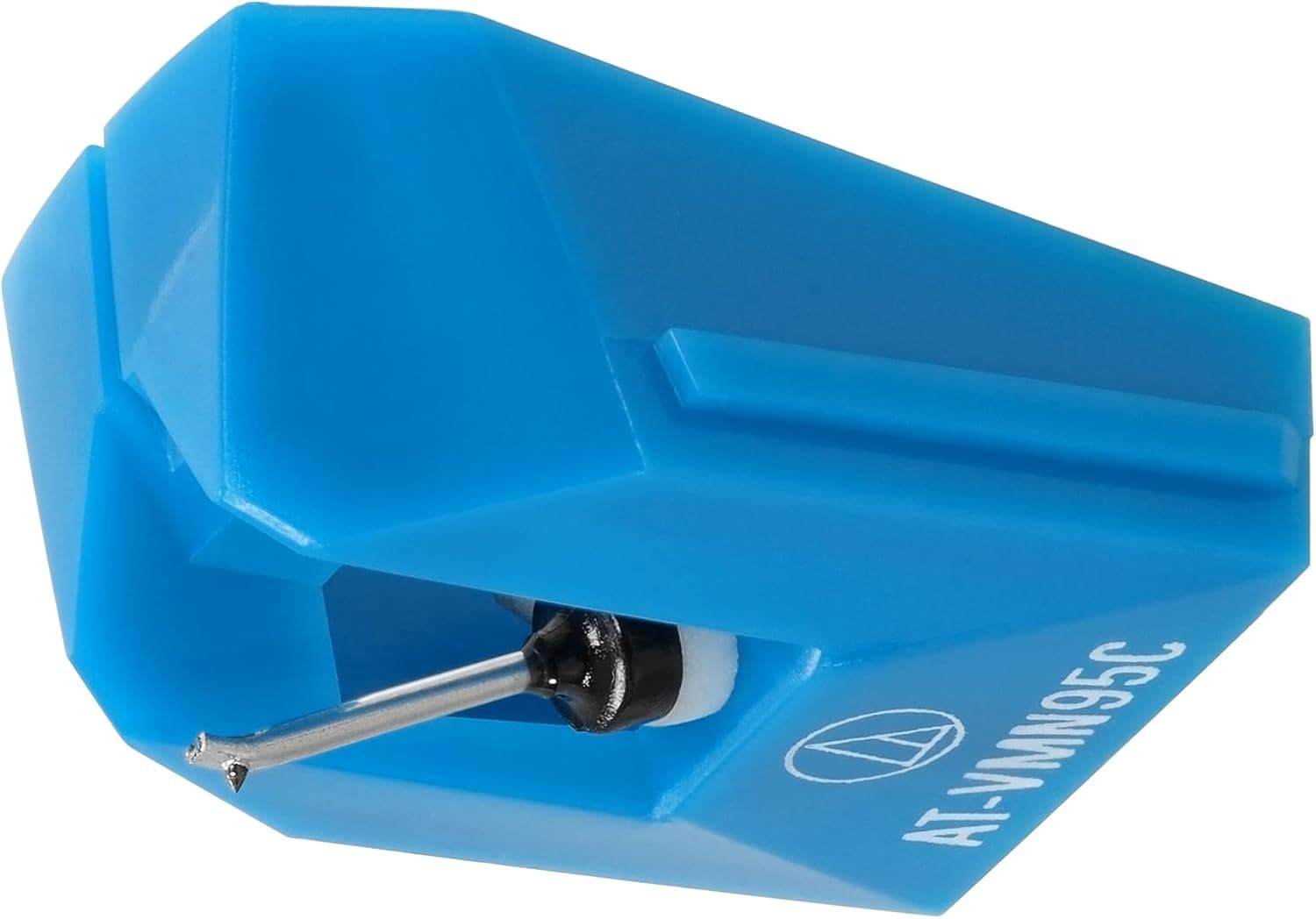
+ Conical tip is tolerant of alignment errors and worn older records
From our guide: Best Conical Styli (2026)
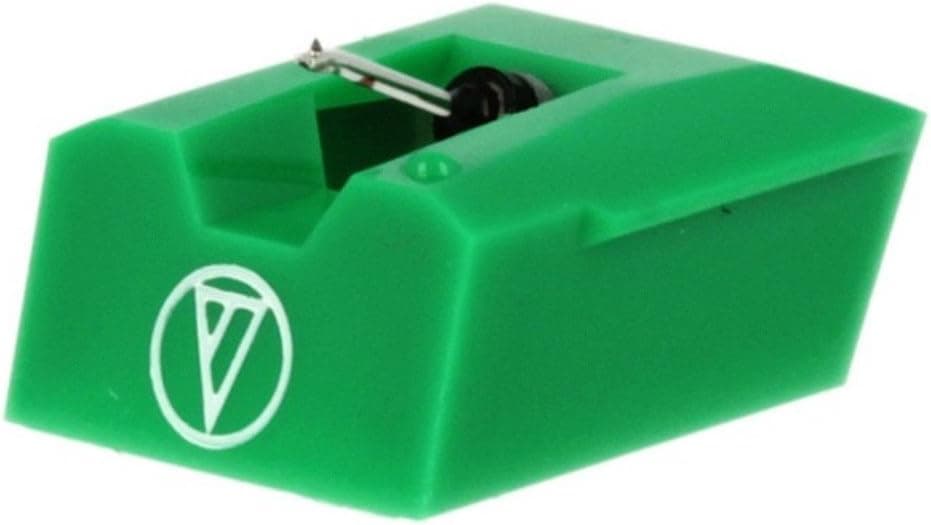
+ Elliptical tip is a cheap, meaningful upgrade for AT-LP60X turntables
From our guide: Best Elliptical Styli (2026)
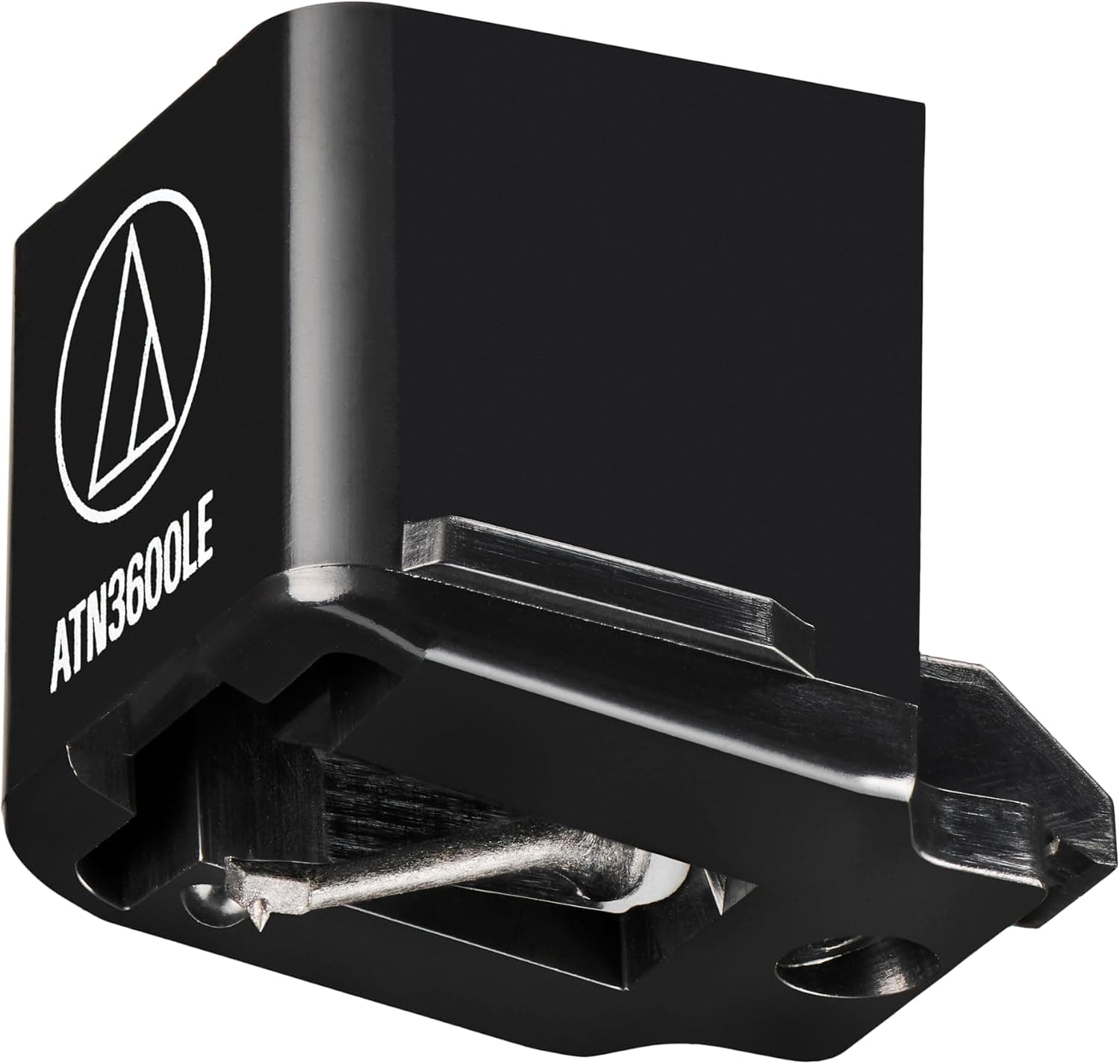
+ Genuine elliptical stylus restores AT95E cartridges to factory sound
From our guide: Best Replacement Styli (2026)
+ Baerwald geometry is a widely used standard for low average distortion
From our guide: Best Cartridge Alignment Tools (2026)
Popular right now
- Setting Tracking ForceArticle
- RIAA equalization explainedGlossary
- Best Floorstanding Speakers for Vinyl (2026)Buying guide
- How to Ground a Turntable and Eliminate HumArticle
- Best Stylus Cleaners for Vinyl (2026)Buying guide
- Why Records Skip and How to Fix ItArticle
Based on the last 28 days of search and visitor data.