How to Store Vinyl Records So They Last a Lifetime
Published How we research

Proper storage is the difference between records that stay pristine for decades and ones that warp, mildew, or develop noise. Vinyl is durable but not indestructible, and the main threats are heat, pressure, moisture, and dust. Fortunately, protecting your collection does not require anything exotic. A few consistent habits and some inexpensive supplies will keep your records flat, clean, and sounding their best for a very long time.
Products from this article
The highest-scoring picks from the buying guides this article links to. Scores are our editorial assessment, not customer ratings.
+ Acid-free material is designed for long-term archival safety
From our guide: Best Inner Record Sleeves for Vinyl (2026)
+ Holds 50-70 albums, a practical chunk of a collection
From our guide: Best Record Storage Crates for Vinyl (2026)
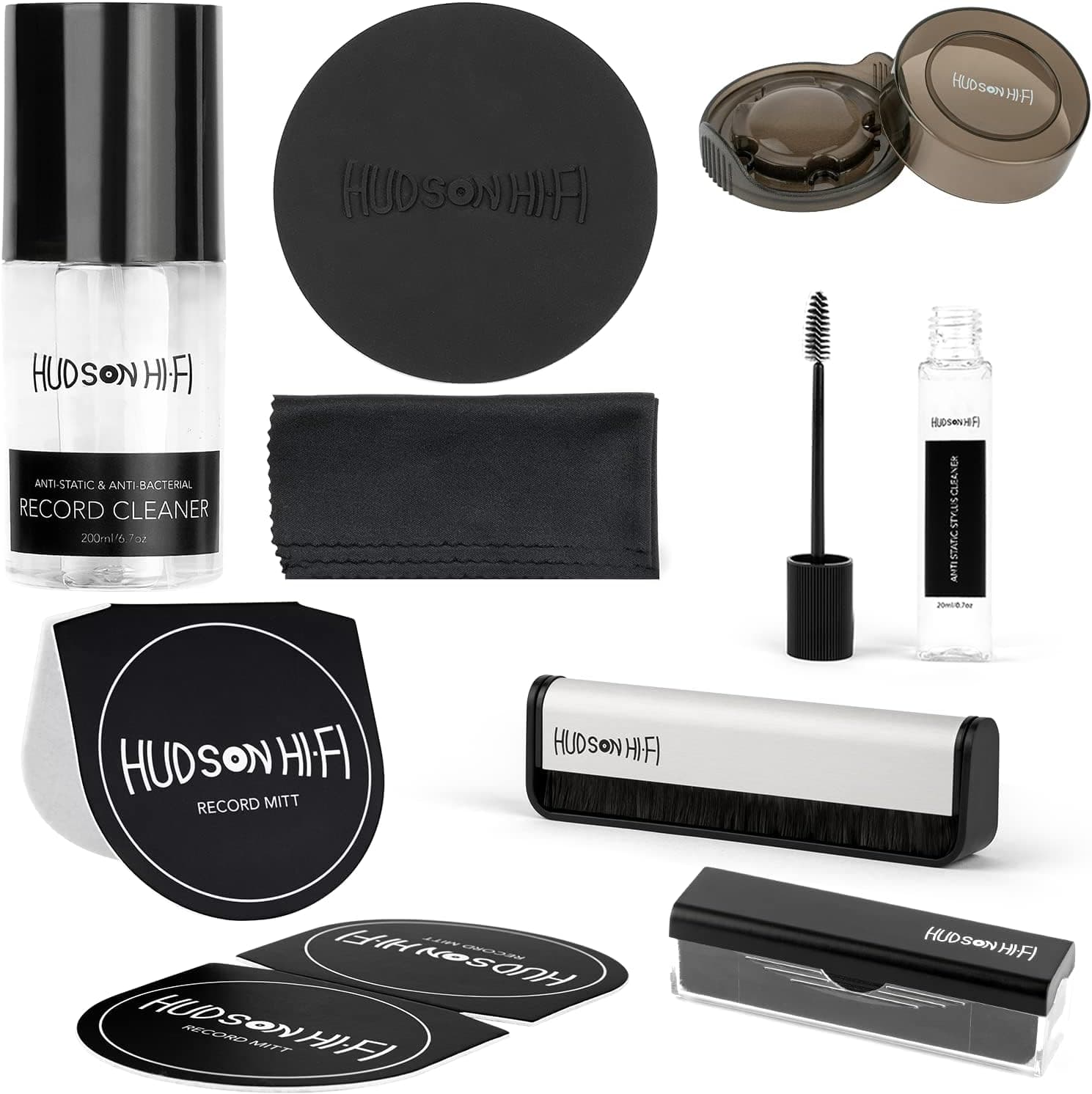
+ Stylus gel cleans the needle gently without brushing
From our guide: Best Record Cleaning Kits for Vinyl (2026)
+ Rice paper style layering protects records while holding its shape
From our guide: Best Inner Record Sleeves for Vinyl (2026)




The single most important rule is to store records vertically, standing straight up like books on a shelf. Stacking records flat puts the weight of the pile on the bottom discs, which over time can warp them and grind grit into the surface. Vertical storage keeps even pressure off the vinyl and makes browsing easier. Just avoid leaning stacks at an angle, since prolonged leaning bends records into a curve that is hard to reverse.
Control the environment, because heat and humidity are quiet enemies. Keep records away from radiators, direct sunlight, and hot spots like the top of an amplifier, since heat softens vinyl and invites warping. Aim for a cool, stable room and avoid damp basements where humidity can foster mildew on jackets and sleeves. Wild temperature swings are as harmful as sustained heat, so a consistent indoor climate is your friend.
Sleeves are your first line of defense against dust and scratches. Replace the flimsy paper inner sleeves that many records ship with, since they can scuff the surface and shed fibers. Anti-static inner sleeves protect the vinyl itself, while outer plastic sleeves shield the jacket from ring wear and dust. This small upgrade pays off every time you slide a record in and out, keeping both the disc and its artwork in top condition.
Finally, handle records by the edges and label, never touching the grooves, and always return them to their sleeves after playing. Give your shelving enough support so it does not sag under the weight of a growing collection. With vertical storage, a stable cool room, quality sleeves, and careful handling, your records will resist warping and noise and stay enjoyable for generations of listening.
Popular right now
- How to Ground a Turntable and Eliminate HumArticle
- How to Align a Phono Cartridge for Accurate TrackingArticle
- RIAA equalization explainedGlossary
- Setting Tracking ForceArticle
- Best Stylus Cleaners for Vinyl (2026)Buying guide
- How to Fix a Turntable Playing Through Only One ChannelArticle
Based on the last 28 days of search and visitor data.