Upgrading Your Stylus
Published How we research
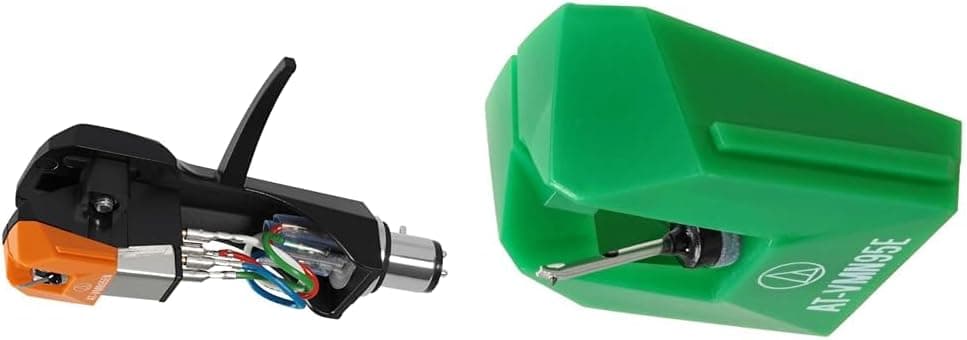
The stylus is the single point of contact between your turntable and your records, so its condition has an outsized effect on sound and record wear. Over time every stylus wears down, and a worn needle does not just sound worse, it can permanently damage your records. Knowing when to replace it and understanding what an upgrade can offer helps you protect your collection and get more out of the gear you already own.
Products from this article
The highest-scoring picks from the buying guides this article links to. Scores are our editorial assessment, not customer ratings.
+ MicroLine stylus reaches deep into grooves for detailed, low-distortion playback
From our guide: Best Cartridge Upgrade Kits (2026)
+ Hinged design lifts open without removing the whole lid
From our guide: Best Turntable Dust Covers for Vinyl (2026)
+ AT95E elliptical cartridge brings more detail than conical budget styli
From our guide: Best Budget Turntables (2026)
+ Elliptical stylus delivers crisp detail and energetic sound for the money
From our guide: Best Cartridge Upgrade Kits (2026)
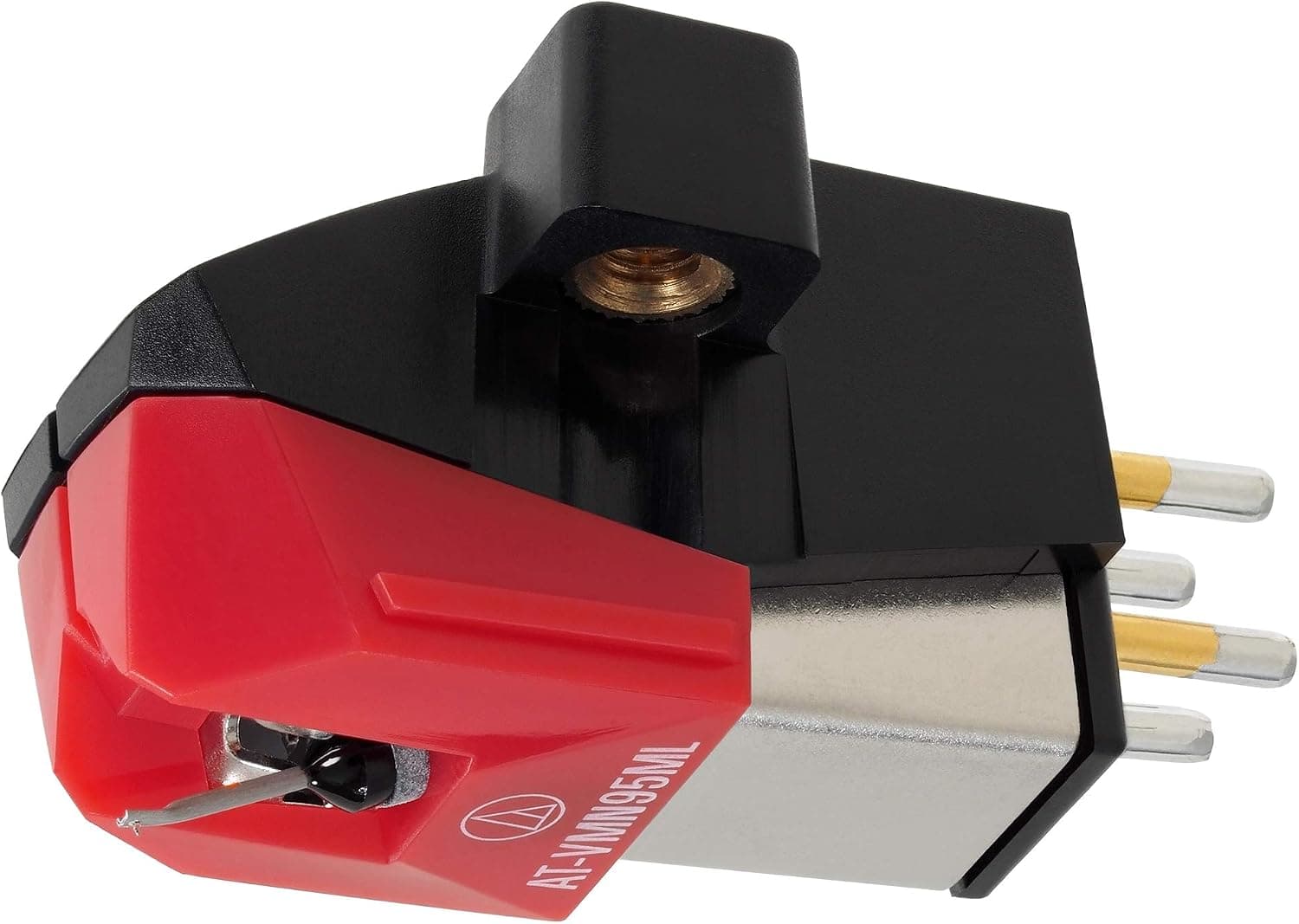
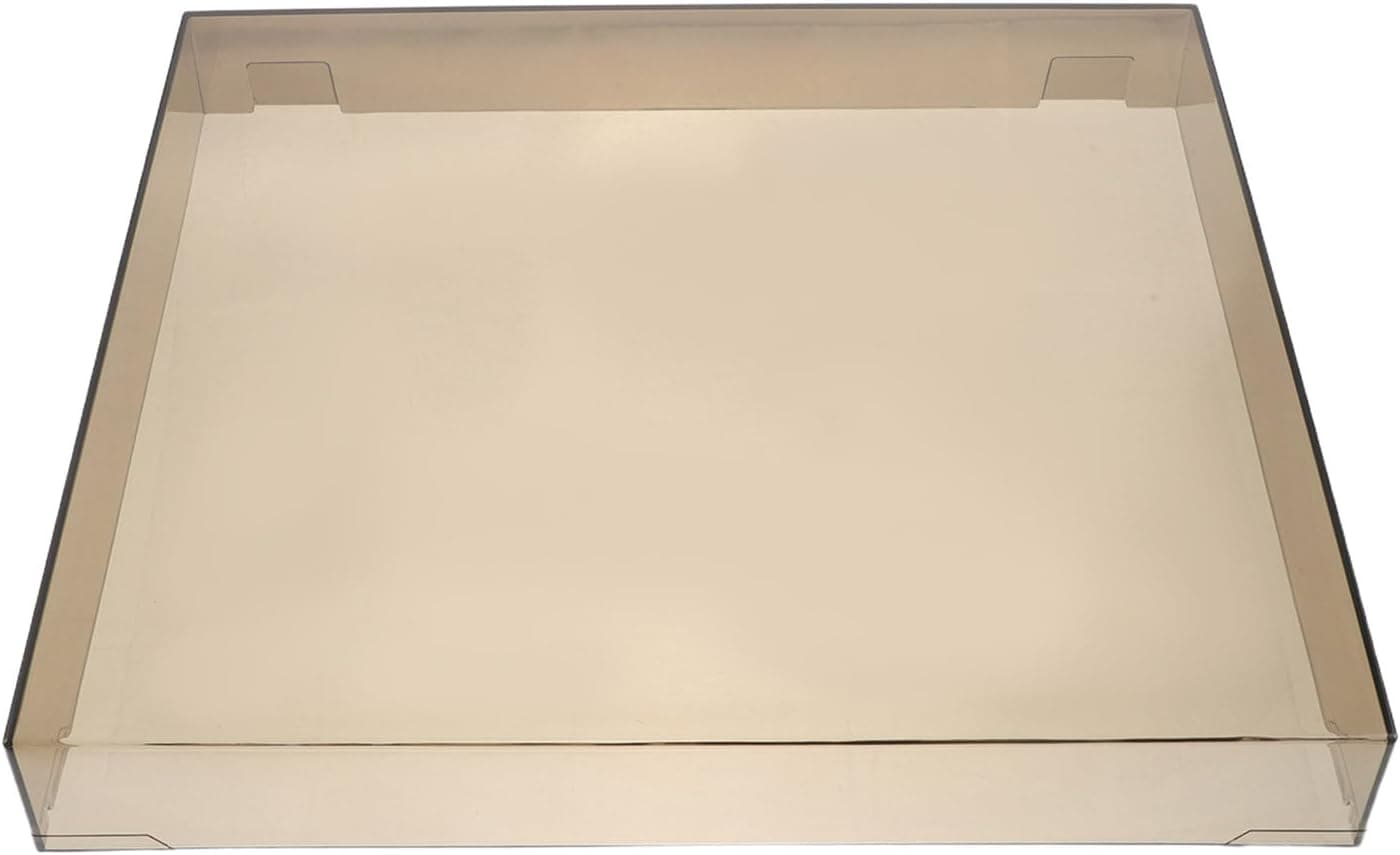
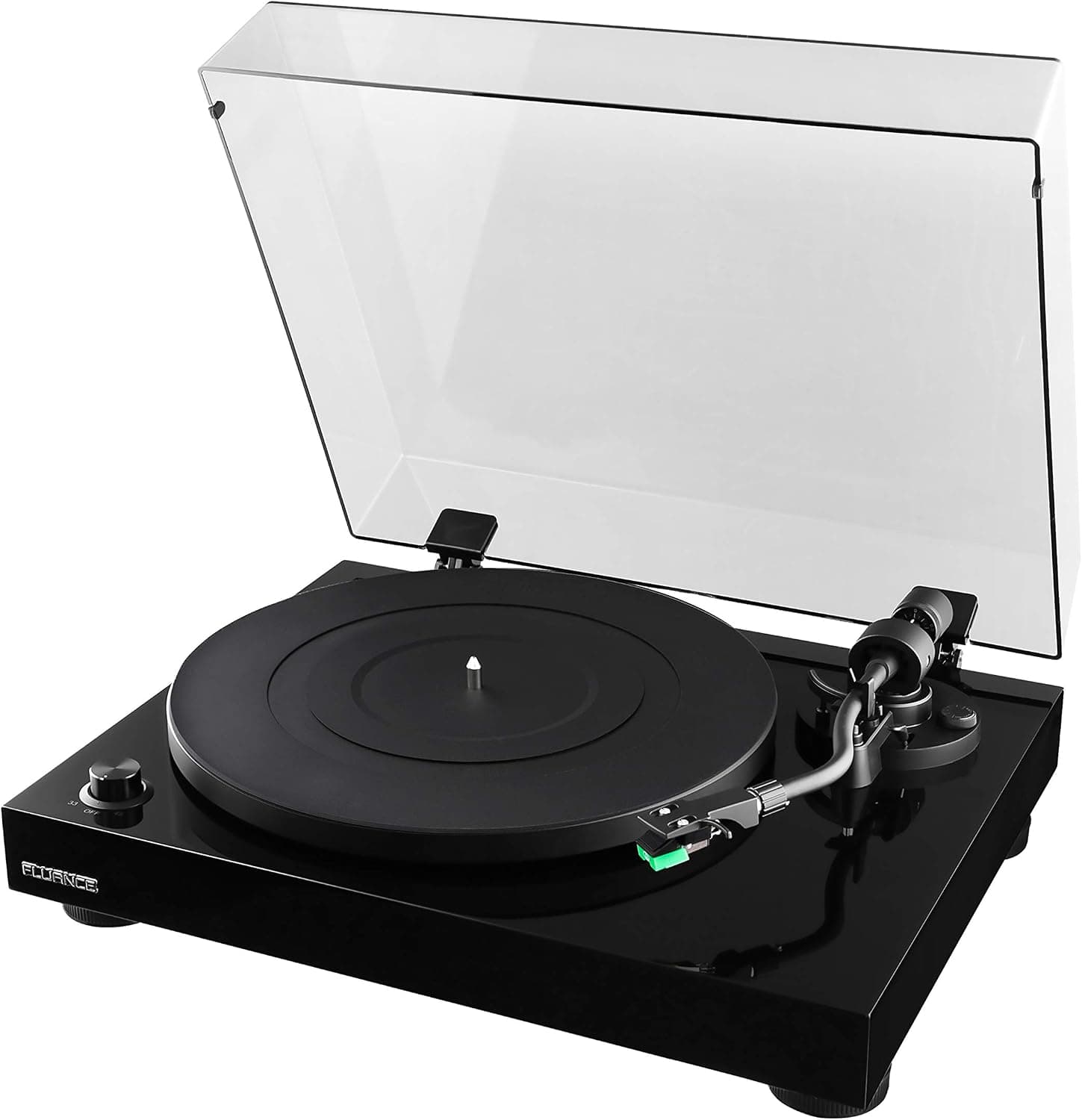
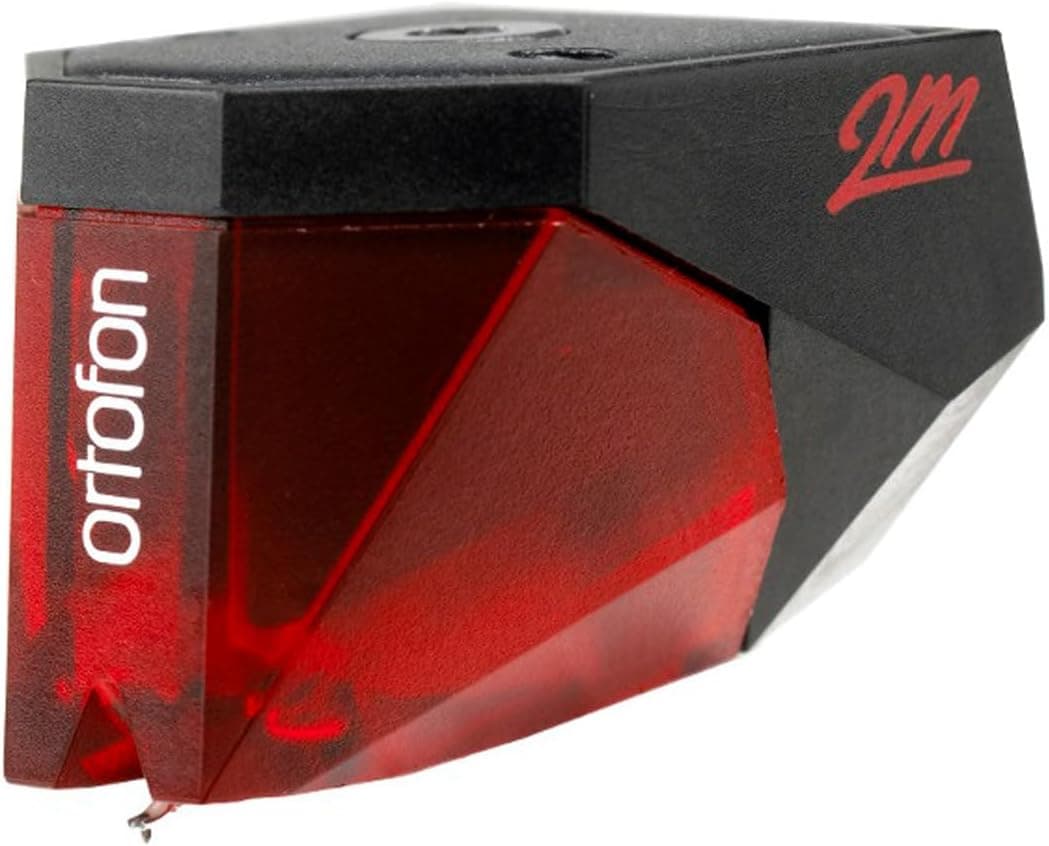
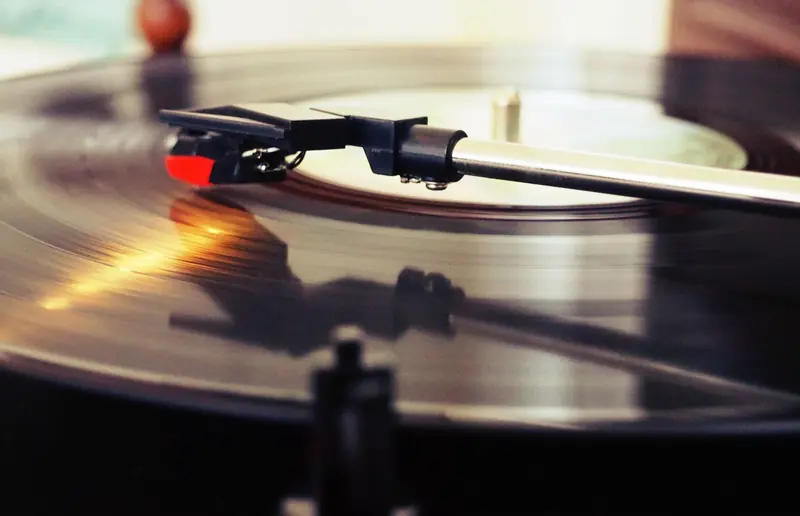
Styli wear gradually, so the decline is easy to miss until it is severe. As a rough guide, most makers suggest replacing the stylus after a certain number of playing hours, though the exact figure varies. Warning signs include increased sibilance, a harsh or muddy sound, more surface noise than usual, and mistracking on loud passages. If a record you know well suddenly sounds edgy or the stylus struggles to stay in the groove, suspect wear.
A worn stylus is dangerous because its damaged tip no longer fits the groove correctly and can gouge the vinyl. Since that damage is permanent, replacing the stylus on schedule is cheap insurance for records that may be irreplaceable. If you buy a used turntable, treat the stylus as unknown and inspect or replace it before playing anything you value, since you have no idea how many hours it already carries.
Replacement is often simple, especially with moving magnet cartridges where the stylus assembly clips off and a new one clips on. This also opens the door to an upgrade, because many cartridges accept a better stylus with a more advanced tip shape. Moving from a basic conical tip to a finer elliptical or more refined profile lets the stylus trace more of the groove detail, often improving clarity and reducing distortion on inner grooves.
Before buying, confirm which replacement styli fit your specific cartridge, since compatibility matters. Weigh whether a straight replacement or a step-up stylus makes sense for your goals and budget. A fresh stylus restores the performance you paid for, and a thoughtful upgrade can noticeably lift the sound without replacing the whole cartridge. Either way, staying on top of stylus condition is one of the most important things you can do for both sound quality and record longevity.
Popular right now
- How to Ground a Turntable and Eliminate HumArticle
- How to Align a Phono Cartridge for Accurate TrackingArticle
- RIAA equalization explainedGlossary
- Setting Tracking ForceArticle
- Best Stylus Cleaners for Vinyl (2026)Buying guide
- How to Fix a Turntable Playing Through Only One ChannelArticle
Based on the last 28 days of search and visitor data.