Why Records Skip and How to Fix It
Published How we research

A skip has several possible causes, so work through them in order. Dust or grit in the groove is the most common and easiest fix, resolved by a carbon fibre brush or wet clean. Scratches disturb the groove itself and often cannot be repaired. Turntable setup causes many skips wrongly blamed on records: too little tracking force, wrong anti-skate, or a deck that is not level. Vibration and footfalls are the last suspect, fixed with a sturdier, isolated surface away from the speakers. Few things break the spell of vinyl like a record that skips or repeats. The frustrating part is that a skip can come from several different causes, and the fix depends on which one you are facing. Some skips are the record's fault, some are the turntable's, and some come from the room itself. Working through the possibilities methodically will usually reveal the culprit and let you get back to uninterrupted listening.
Products from this article
The highest-scoring picks from the buying guides this article links to. Scores are our editorial assessment, not customer ratings.
+ 4-tier storage keeps 200+ albums right beside the turntable
From our guide: Best Turntable Stands for Vinyl (2026)
+ AT95E elliptical cartridge brings more detail than conical budget styli
From our guide: Best Budget Turntables (2026)
+ Stylus gel cleans the needle gently without brushing
From our guide: Best Record Cleaning Kits for Vinyl (2026)
+ 300+ album capacity handles a large, growing collection
From our guide: Best Turntable Stands for Vinyl (2026)
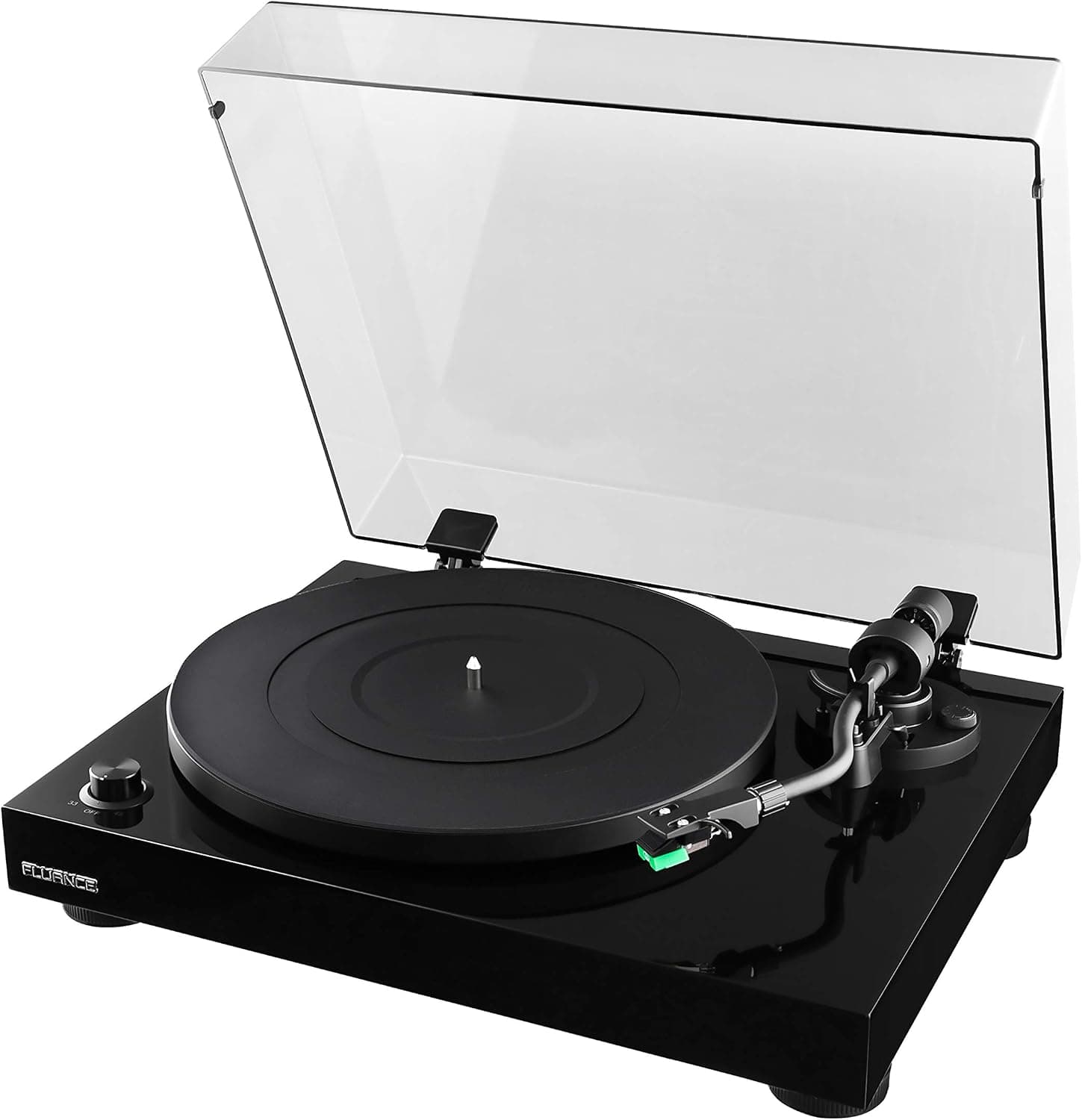
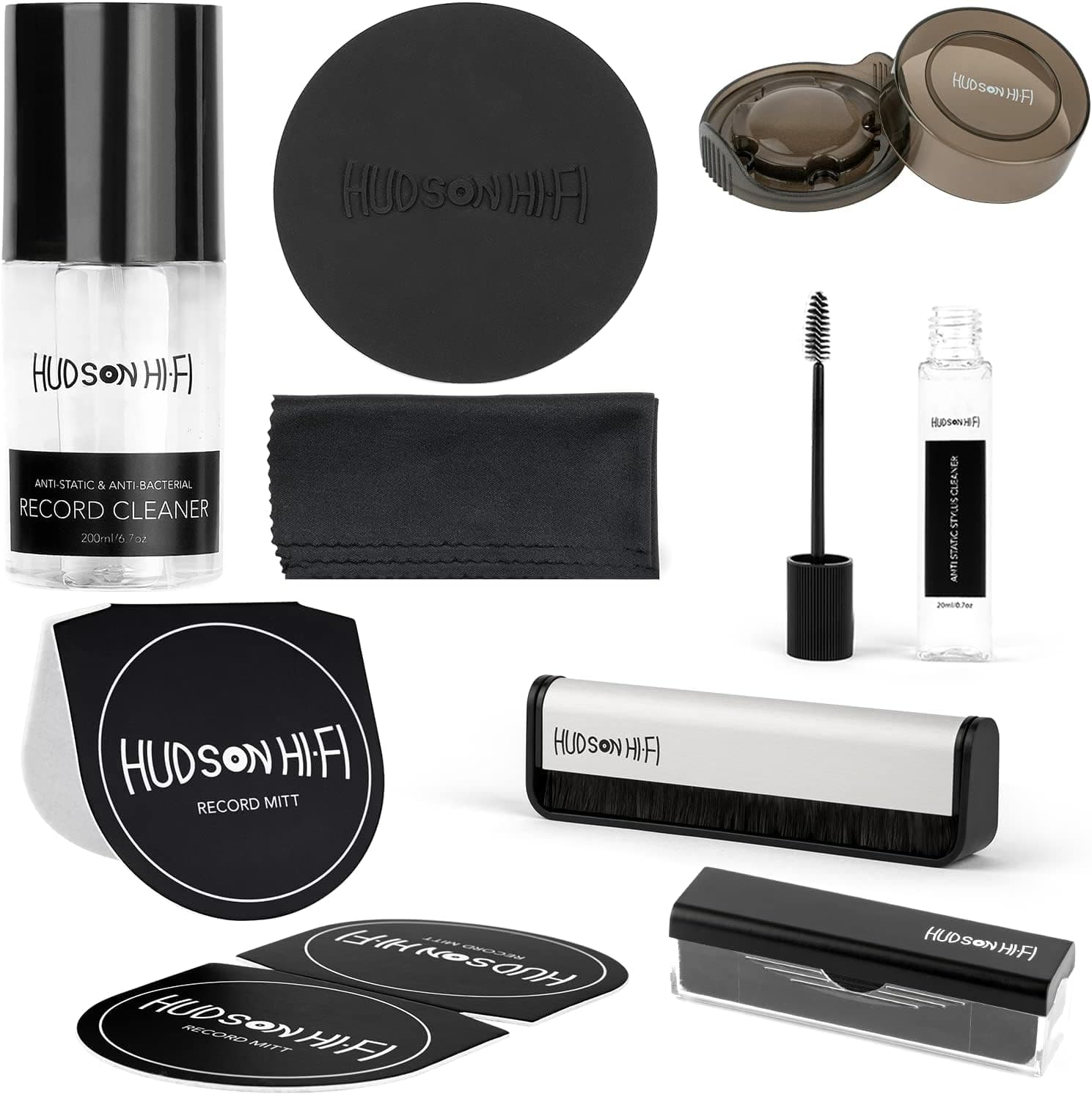

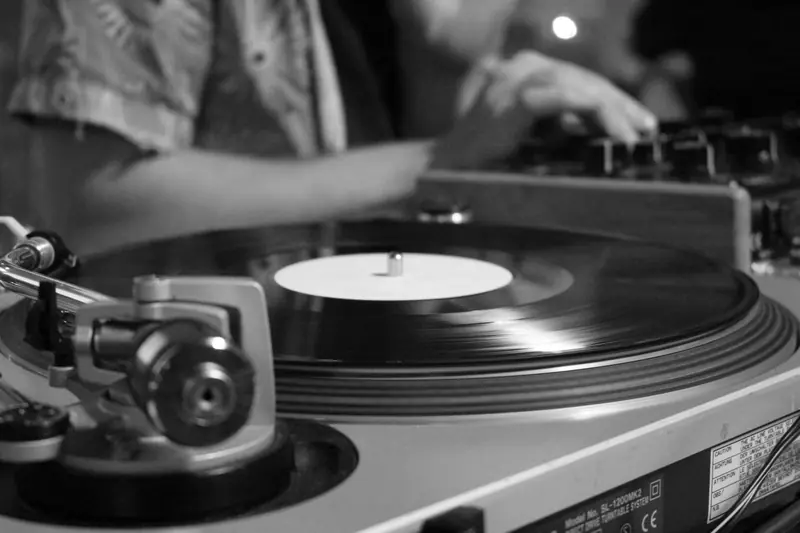
Dust and debris: the most common cause
Dust and debris are the most common and easiest to fix. A speck of grit in the groove can bounce the stylus out of place, causing a tick or a jump. Clean the record with a carbon fiber brush or a proper wet clean and try again, since a good cleaning resolves a surprising number of skips. If the skip vanishes after cleaning, you have found your answer and spared yourself deeper troubleshooting.
Scratches and physical damage
Scratches and physical damage are harder to remedy because the groove itself is disturbed. A deep scratch across the grooves can send the stylus skating forward or locking into a repeat. Cleaning will not repair a scratch, though sometimes a very light surface mark plays fine once dust is removed. For a damaged pressing, there may be no fix beyond replacing the record, but confirm the record is truly at fault before blaming it.
Turntable setup: tracking force, anti-skate, level
Turntable setup causes many skips that people wrongly attribute to their records. Too little tracking force lets the stylus bounce out of the groove, so confirm the force is set within the cartridge's recommended range rather than too light. Incorrect anti-skate can pull the arm inward or outward and cause skipping, and a table that is not level lets the arm drift. Check that the deck sits flat, the tonearm is balanced, and the settings match the cartridge specifications.
Vibration and footfalls
Vibration and footfalls are the last suspect. If the record skips when you walk across the room or turn up the volume, the turntable is picking up vibration through its surface or from the speakers. Move the table to a sturdier, more isolated surface, keep it away from the speakers, and consider isolation feet or a solid shelf. Work through cleaning, the record, the setup, and the environment in that order, and you will almost always find and fix the cause of the skip.
Frequently asked questions
Why does my record keep skipping? Work through it in order: clean the record first (dust causes most skips), then check for scratches, then confirm tracking force, anti-skate, and that the deck is level, then check for vibration from footfalls or the speakers.
Can cleaning a record stop it skipping? Often, yes. A speck of grit in the groove bounces the stylus, and a carbon fibre brush or wet clean resolves a surprising number of skips. If it vanishes after cleaning, you have found the cause.
Does tracking force cause skipping? Yes. Too little tracking force lets the stylus bounce out of the groove. Set it within the cartridge's recommended range rather than too light, and check anti-skate too.
My record skips when I walk across the room, why? The turntable is picking up vibration through its surface or from the speakers. Move it to a sturdier, isolated shelf away from the speakers and consider isolation feet.
Popular right now
- How to Ground a Turntable and Eliminate HumArticle
- How to Align a Phono Cartridge for Accurate TrackingArticle
- RIAA equalization explainedGlossary
- Setting Tracking ForceArticle
- Best Stylus Cleaners for Vinyl (2026)Buying guide
- How to Fix a Turntable Playing Through Only One ChannelArticle
Based on the last 28 days of search and visitor data.