How to Make a Record Player: A Simple DIY Demo and a Real Build From Parts
Published How we research
You can make a working record player in ten minutes from a spinning disc, a sewing needle and a paper cone, but it will sound thin and wear the record you play on it. For real listening, the practical way to make a record player is to assemble one from parts: a turntable deck, a cartridge, a phono preamp, an amplifier and speakers. This guide covers both, so you can pick the one that matches why you are asking.
Products from this article
The highest-scoring picks from the buying guides this article links to. Scores are our editorial assessment, not customer ratings.
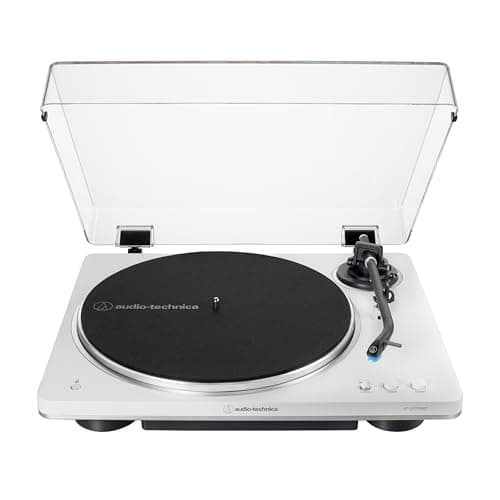
+ AT95E elliptical cartridge brings more detail than conical budget styli
From our guide: Best Budget Turntables (2026)
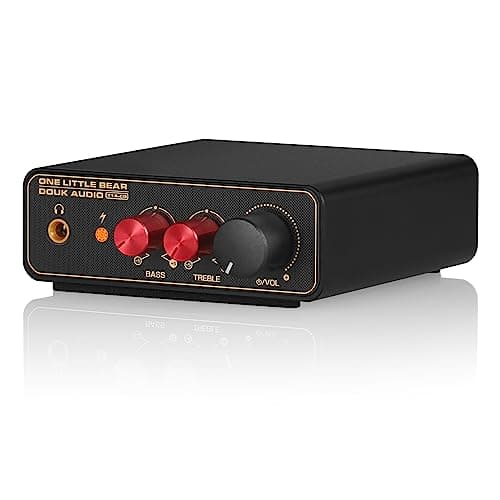
+ Switchable MM and MC modes cover most turntable cartridges.
From our guide: Best Phono Preamps (2026)
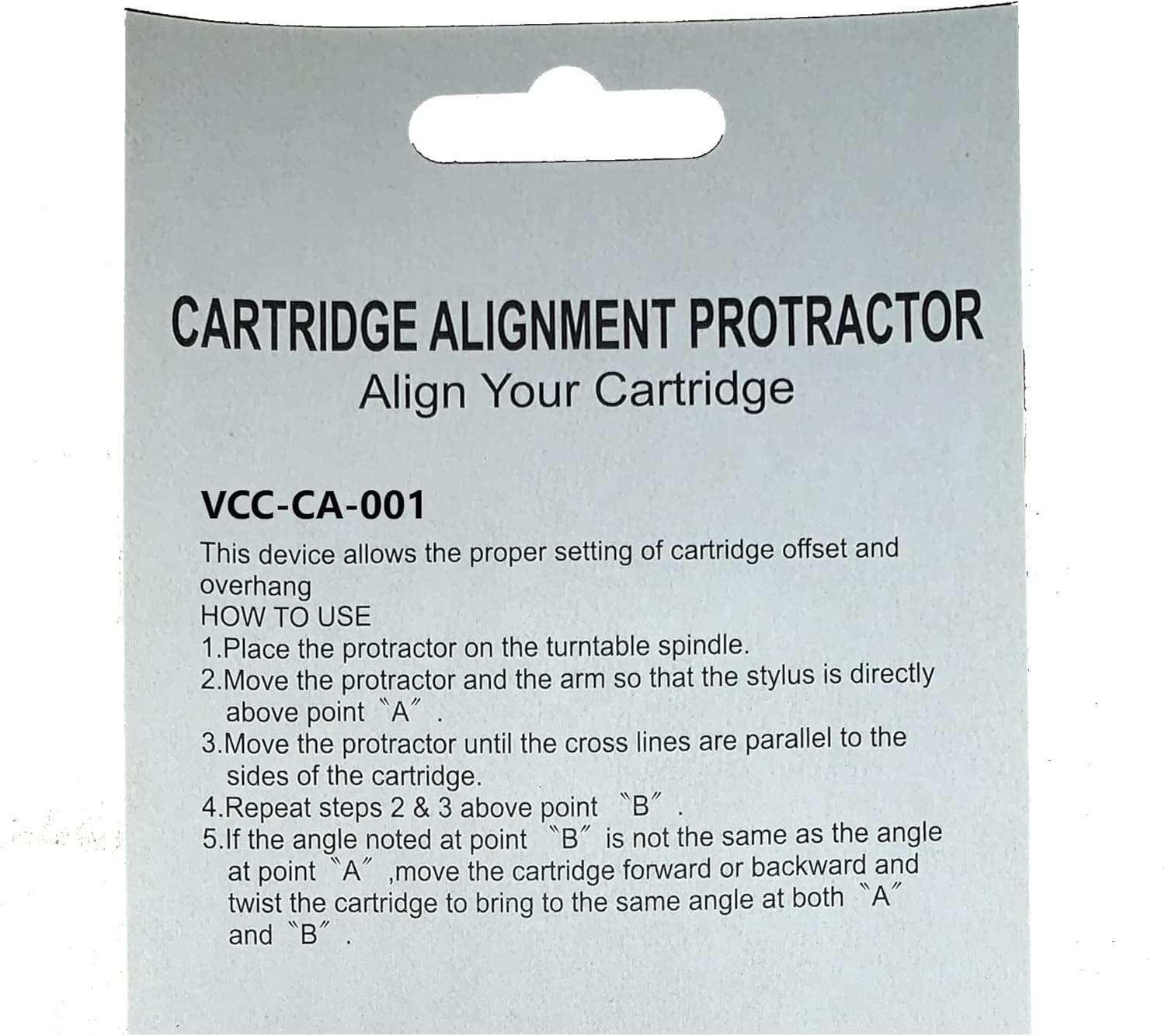
+ Baerwald geometry is a widely used standard for low average distortion
From our guide: Best Cartridge Alignment Tools (2026)
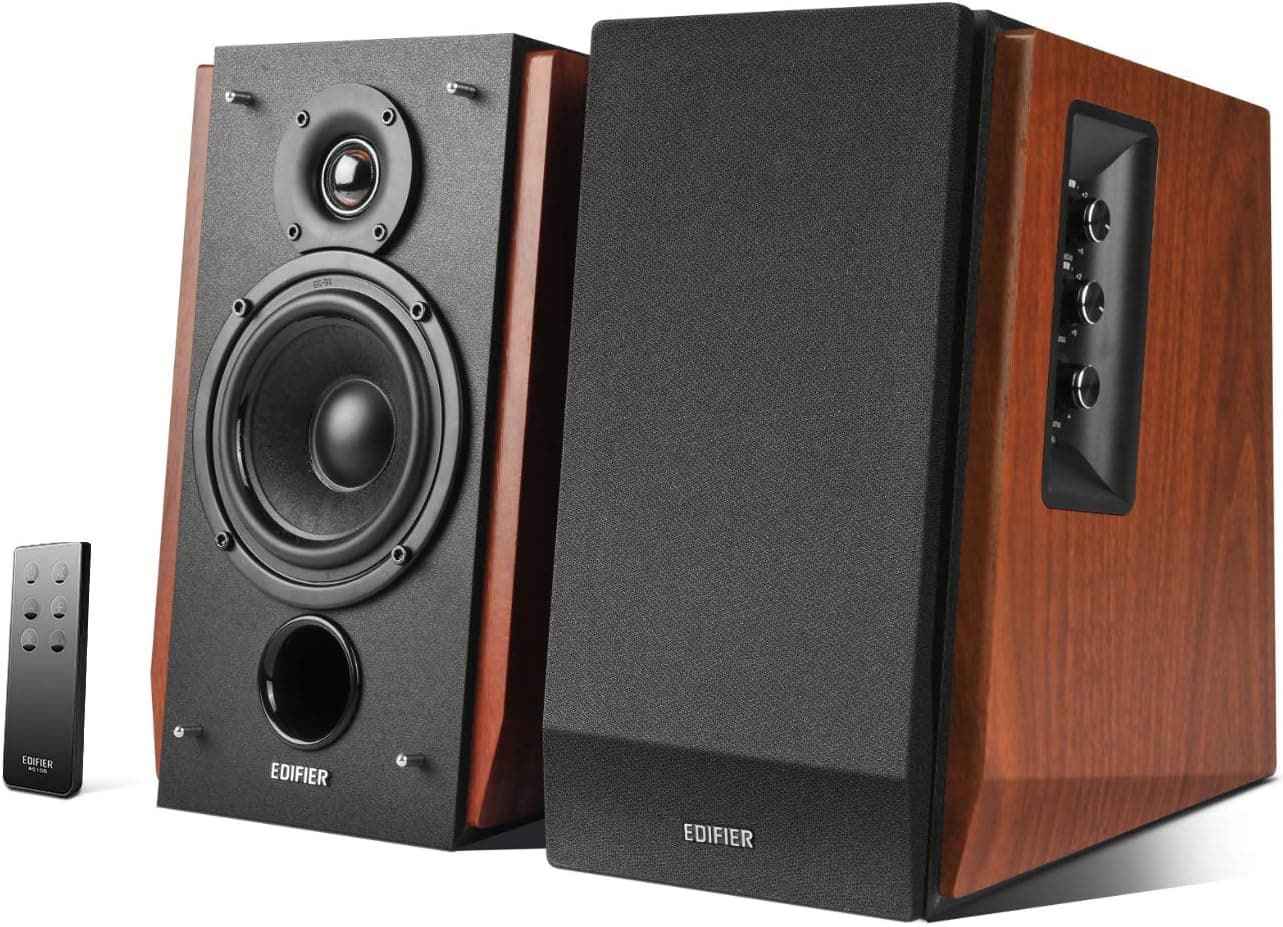
+ 66W RMS gives more room-filling sound than smaller Edifiers
From our guide: Best Powered Bookshelf Speakers for Vinyl (2026)
The quick demo: a paper cone and a needle
The classic project shows how a groove becomes sound with no electricity. You need a record you do not care about, a sewing needle, a sheet of stiff paper or thin card, tape, and something to spin the record at a steady pace. A turntable with no cartridge, a lazy Susan or a pencil through the center hole will all work, but a real motor is far easier.
Roll the paper into a cone about 20 cm across the open end, and tape it so it holds its shape. Push the needle through the narrow tip so the point sticks out a few millimeters, or tape it on at an angle. Spin the record at about 33 1/3 rpm, which is one turn every 1.8 seconds, and lower the needle onto the groove at a shallow angle. Hold the cone loosely so the needle can follow the groove, and you will hear a quiet, tinny version of the music coming out of the wide end.
Treat the record as a sacrifice. A steel needle with no tracking weight control digs into the groove, so each play damages the vinyl. Never use a record you value. For the same reason, hand-spinning gives uneven speed, so pitch will wander.
Why a homemade deck rarely sounds good
A proper turntable does four things you cannot easily copy at home. It holds the platter at a steady speed, usually 33 1/3 or 45 rpm, with little speed variation. It keeps the platter and arm isolated from vibration. The tonearm carries the cartridge at a set tracking force, typically between 1 and 3 grams for most moving magnet cartridges. And the cartridge turns groove movement into a small electrical signal, which a phono preamp then boosts and equalizes.
Without these, you get wow and flutter, rumble, skipping and fast record wear. That is why most people who want to make a record player for listening should buy a deck and cartridge and assemble the rest around it, rather than build the mechanics from scratch.
The real build: choose a deck and cartridge
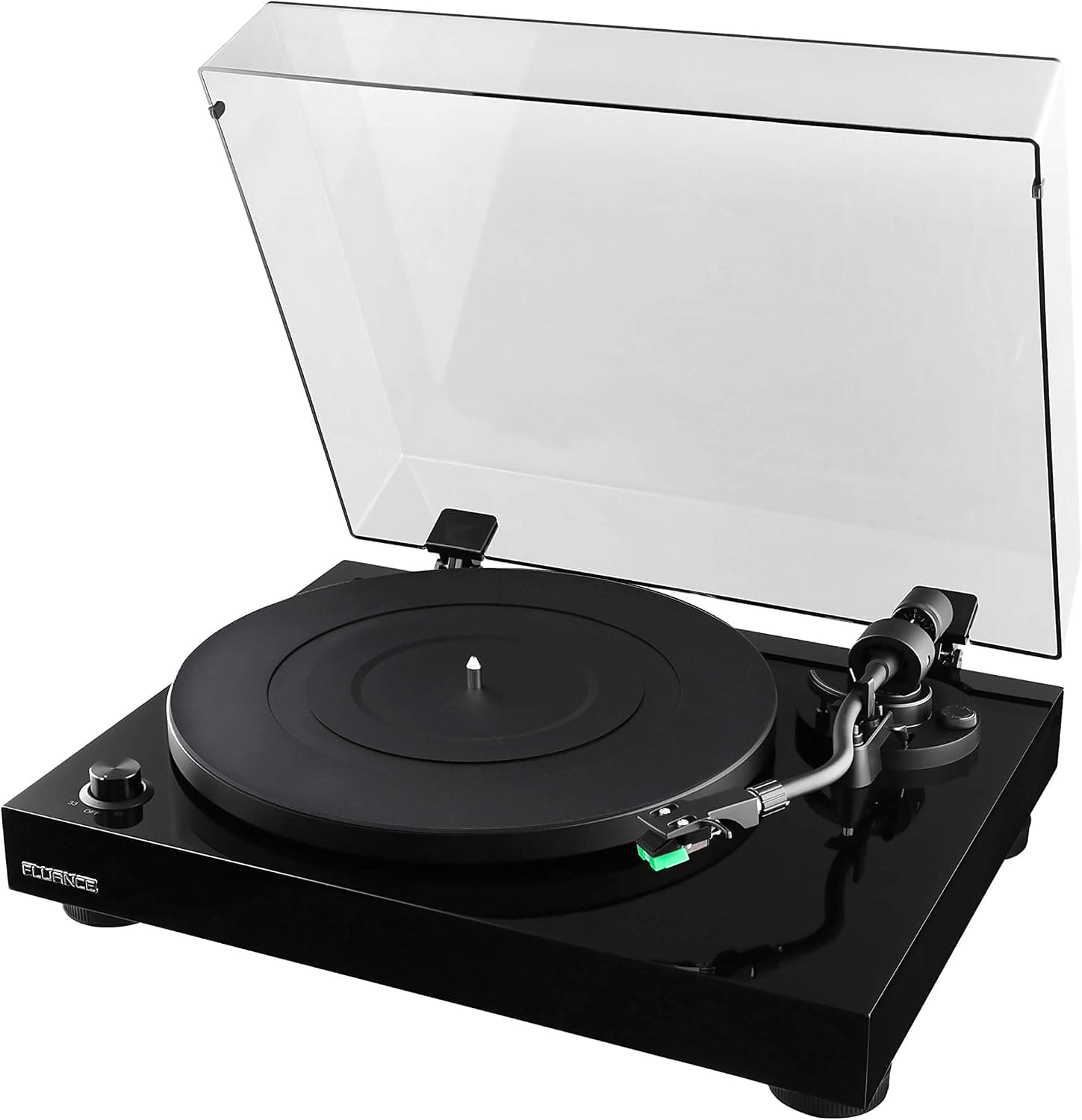
Start with the deck. A belt-drive turntable is quiet and a common choice for home listening, while a direct-drive deck gives stable speed and suits DJs. If you only want to keep the cost down, a budget turntable with a replaceable stylus gives you room to upgrade later. Check that the deck lists 33 1/3 and 45 rpm at least, and 78 if you own old shellac records.
Then the cartridge. Most decks ship with a moving magnet cartridge, which has a user-replaceable stylus and a larger output signal than a moving coil cartridge. If you are assembling from separate parts, make sure the tonearm and cartridge suit each other, and use a stylus force gauge to set the weight rather than trusting the dial. Our guides below list options for each part.
Add a phono preamp, amplifier and speakers
The signal from a cartridge is only a few millivolts and needs RIAA equalization, a standard curve that restores the bass and trims the treble that were altered when the record was cut. A phono preamp does both jobs. Some turntables have one built in, some receivers have a PHONO input, and otherwise you add a small standalone box between the deck and the amp.
From there the signal goes to an amplifier and speakers. The simplest route is a pair of powered speakers with a line-level input, which combine amplifier and speakers in one cabinet. If you want separate components, choose an integrated amplifier and passive speakers, and check that the amp can drive them. Our article on matching an amp to speakers explains how to read the impedance and power ratings.
Set it up so it plays properly
Put the deck on a solid, level surface and keep it away from the speakers. Mount the cartridge on the headshell with the mounting screws, align it with a protractor so the stylus sits at the right angle in the groove, and set tracking force and anti-skate. Connect the deck to the preamp with RCA cables and add a ground wire to the preamp or amp ground post if you hear hum.
Budget about an hour for a first assembly. Do it in this order: place the deck and level it, fit the platter and mat, install and align the cartridge, set tracking force and anti-skate, connect the preamp and speakers at low volume, then play a clean record you know well. Turning the volume up slowly protects your speakers if a connection or switch is wrong. Finally, clean the record with an anti-static brush and play it at the right speed. If anything sounds wrong, work through the chain from the stylus to the speakers one link at a time.
Frequently asked questions
Can I make a record player with a motor and a cardboard platter? You can build a spinning platter that way, but holding a steady 33 1/3 rpm needs a regulated motor or a belt drive with a good pulley, and most hobby builds drift. A cheap used or new deck is a better base.
Will a homemade needle damage my records? Yes, a sewing needle on a paper cone has no controlled tracking weight, a worn or rough tip and no proper arm, so it wears vinyl with every play. Use only a throwaway record.
What is the cheapest real record player I can build? A budget turntable plus a pair of powered speakers is the lowest-cost setup, because it needs no separate phono preamp or amplifier if the deck has a built-in preamp and the speakers take a line input.
Do I need to know electronics? Not for the assembled approach. You connect cables and set the arm weight. Soldering is only needed if you build the electronics yourself.
Popular right now
- How to Ground a Turntable and Eliminate HumArticle
- How to Align a Phono Cartridge for Accurate TrackingArticle
- RIAA equalization explainedGlossary
- Setting Tracking ForceArticle
- Best Stylus Cleaners for Vinyl (2026)Buying guide
- How to Fix a Turntable Playing Through Only One ChannelArticle
Based on the last 28 days of search and visitor data.