Moving Magnet vs Moving Coil Cartridges Explained
Published How we research
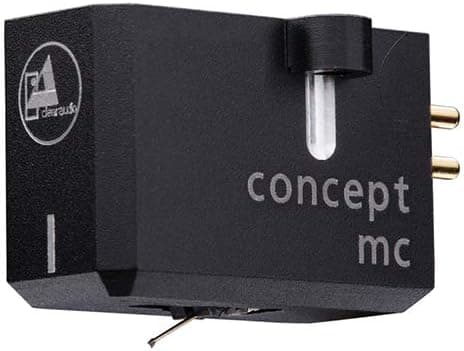
Phono cartridges come in two main designs, moving magnet and moving coil, and the difference affects both how they sound and how you live with them. Both types generate a tiny electrical signal from the stylus tracing the groove, but they arrange the magnets and coils differently. That small engineering choice ripples out into output level, detail, cost, and whether you can replace just the stylus or the whole cartridge.
Products from this article
The highest-scoring picks from the buying guides this article links to. Scores are our editorial assessment, not customer ratings.
+ Boron cantilever is stiff and light for exceptional detail retrieval
From our guide: Best Moving Coil Cartridges (2026)
+ Shibata stylus delivers top-tier detail and very low distortion
From our guide: Best Moving Magnet Cartridges (2026)
+ Genuine elliptical stylus restores AT95E cartridges to factory sound
From our guide: Best Replacement Styli (2026)
+ High output lets it run into ordinary MM phono stages
From our guide: Best Moving Coil Cartridges (2026)
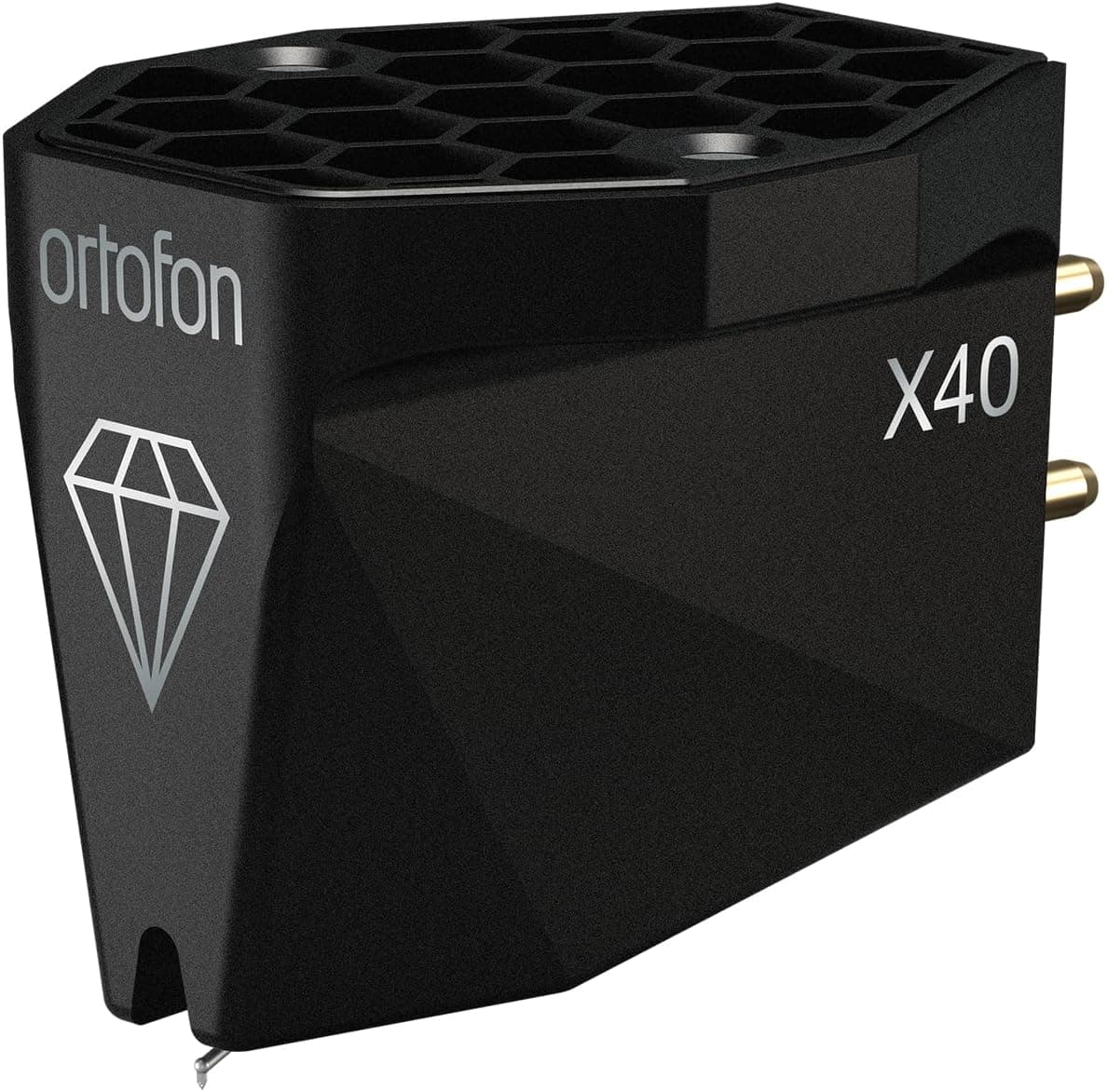
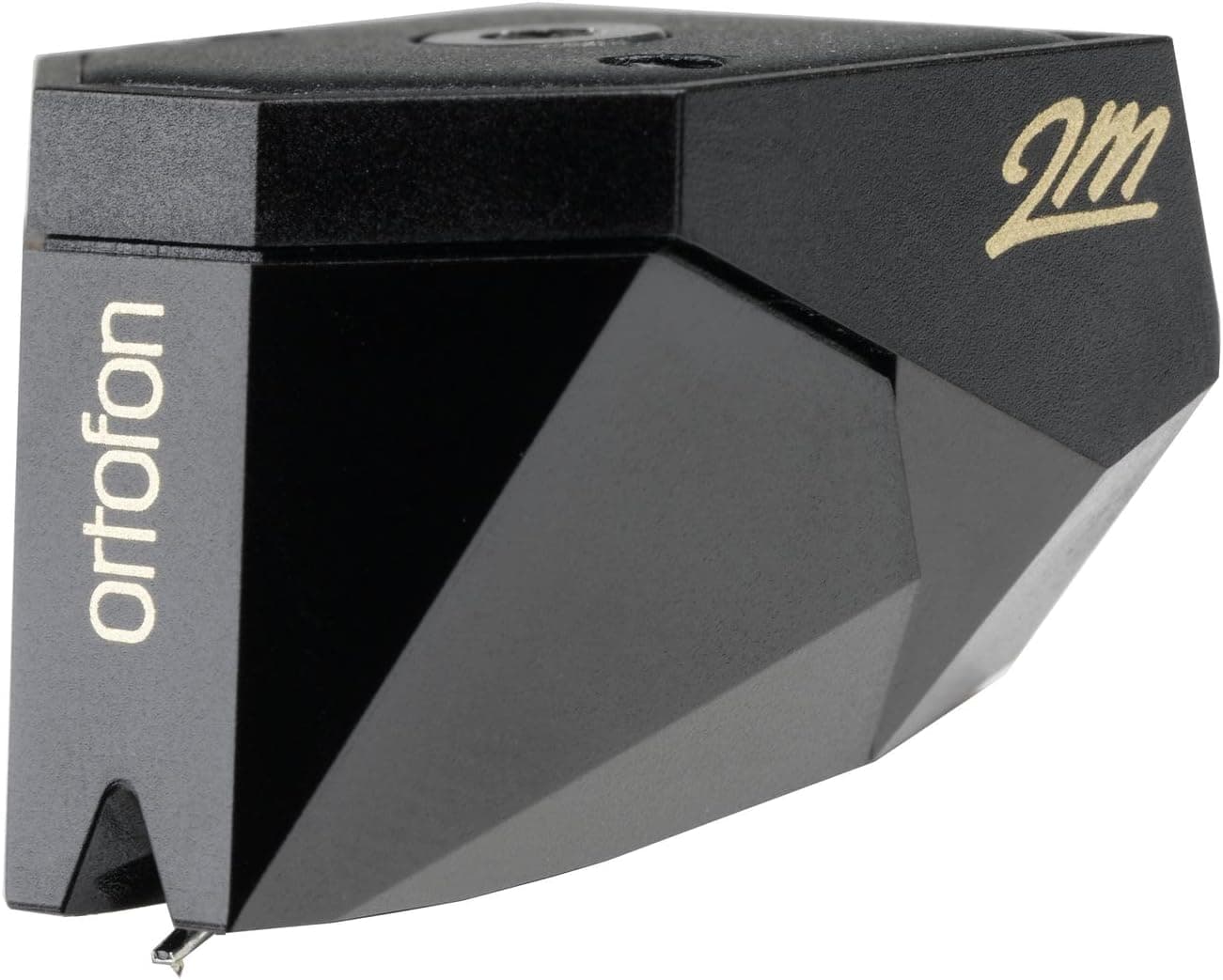
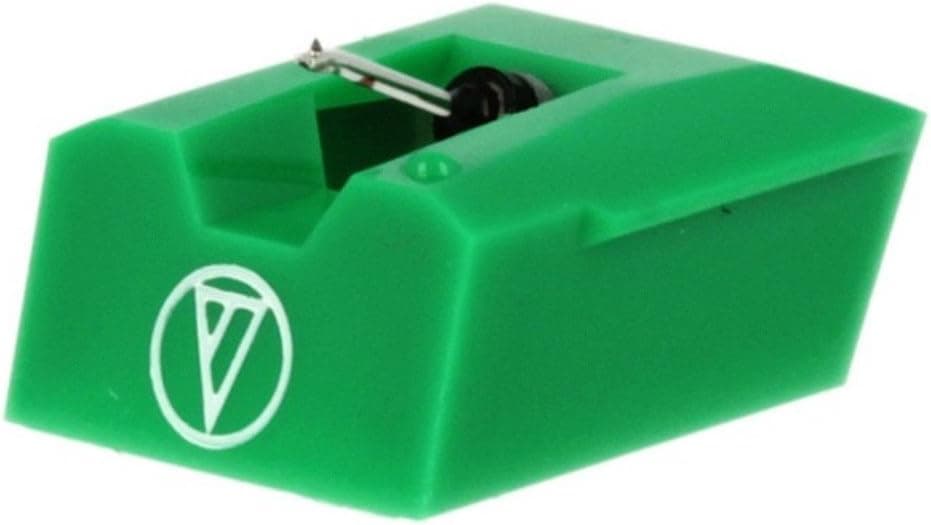
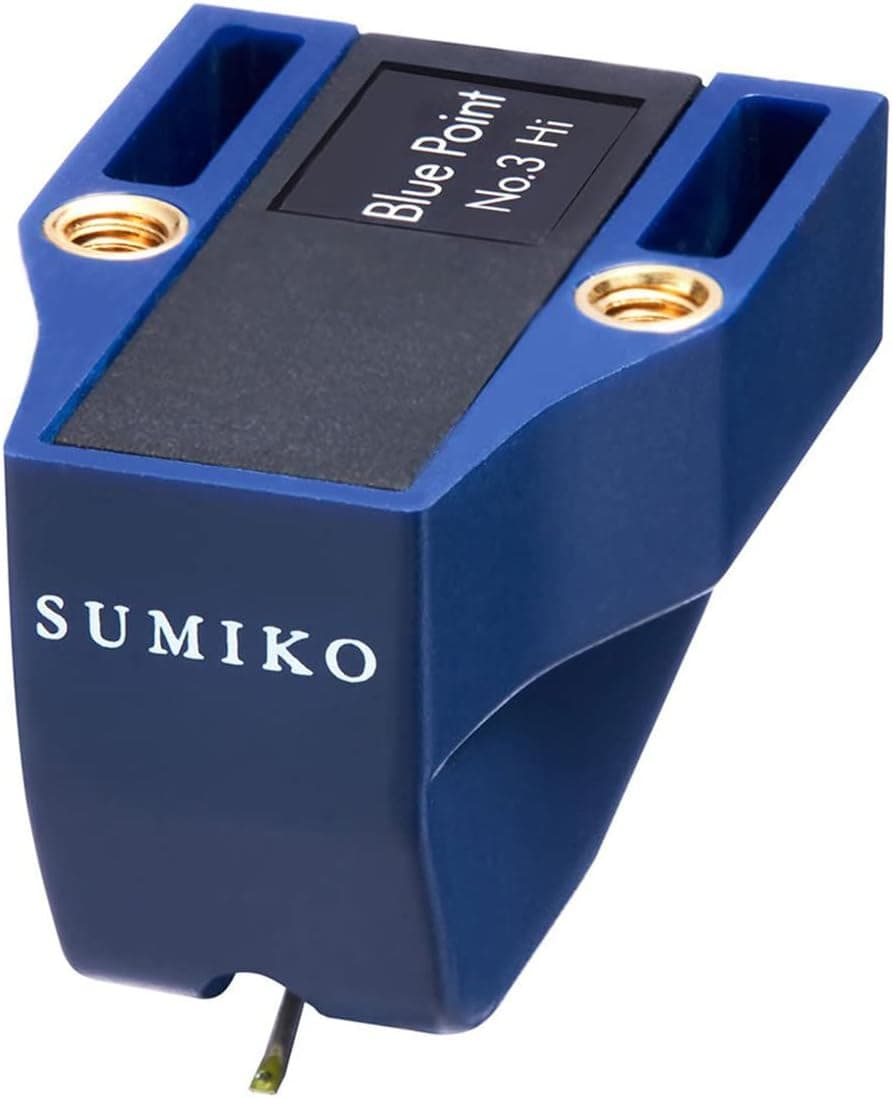
In a moving magnet design, a magnet attached to the cantilever moves near fixed coils, generating the signal. These cartridges put out a relatively strong signal that works with the standard phono inputs found on most amplifiers and preamps. They are also the more practical choice for many listeners because you can usually replace only the stylus assembly when it wears out, rather than buying an entirely new cartridge.
Moving coil designs flip the arrangement, attaching tiny coils to the cantilever that move within a fixed magnetic field. Because those coils are small and light, many audiophiles feel moving coil cartridges retrieve more fine detail and track complex passages with a delicate, open sound. The trade-offs are real, though. They put out a much weaker signal that needs extra gain from a specialized phono stage or a step-up transformer.
Cost and maintenance separate the two camps further. Moving magnet cartridges are generally more affordable and forgiving, making them the sensible starting point for most people building a first serious system. Moving coil cartridges tend to cost more up front, and because the stylus usually cannot be swapped on its own, servicing often means replacing or retipping the whole unit. That ongoing cost is worth weighing before you commit.
For most listeners, a good moving magnet cartridge delivers excellent sound with easy setup and cheaper upkeep, which is why it remains the default recommendation. Moving coil becomes worthwhile when you have a capable phono stage, an ear for subtle detail, and the budget to match. Neither is objectively better in every case, so let your system and your priorities guide the choice.
Popular right now
- How to Ground a Turntable and Eliminate HumArticle
- How to Align a Phono Cartridge for Accurate TrackingArticle
- RIAA equalization explainedGlossary
- Setting Tracking ForceArticle
- Best Stylus Cleaners for Vinyl (2026)Buying guide
- How to Fix a Turntable Playing Through Only One ChannelArticle
Based on the last 28 days of search and visitor data.